This blue marble

– and yet it spins


2 Comments

Another war, and how to forget it

Gothenburg-4Oh yes, yet another castle, in yet another city. How dreary it must have been to be a soldier stationed in this  damp, cold fortress. There was probably little consolation in the gorgeous view overlooking Gothenburg city on one side and countryside on the other. The threat of attacking Spaniards, Poles, Danes, and crazy village people was real for centuries. Gothenburg used to be a burg: protected from all sides. I wonder whether the city walls would have given rise to a sense of security or a feeling of looming threat?

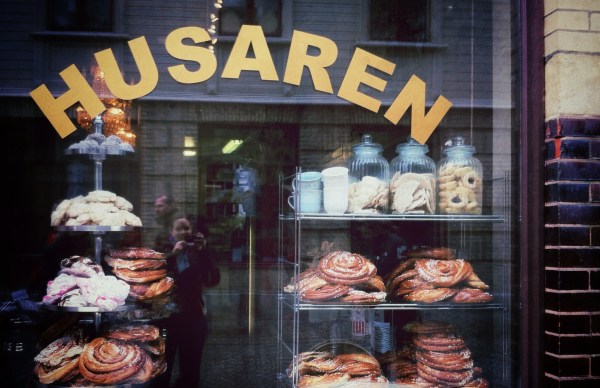
And on we move from lamenting on the bloody history of Gothenburg, Tallinn, and Vilnius; and into the luxury of cozy, chattery cafés in the old town. Heavy thoughts are easily dispersed by giant cinnamon buns and meringue clouds. The Danes won’t be attacking any time soon, so hot chocolate all around!
Gothenburg-3

(Gothenburg, Sweden; April 2014)

Leave a comment

The marble, the gold, and the cash to fix the façade

Vilnius-6

How much does it cost to restore a church? To clear out all the damage done after decades of neglect and use as storage space? To investigate the frescos hidden underneath white paint, to replace marble with just the right kind of marble, to fix statues so they don’t look brand new but do not miss a nose or limbs?

How much does it cost to restore all forty churches of Vilnius to their former, pre-Soviet glory? Who is the kind benefactor with so much wealth to give away? And why is it, beyond the restoration of a few monumental churches, not used to the benefit of the people outside of the beautiful bubble of Vilnius? To those who could not afford lunch in the idyllic, clean old town?

Vilnius-3

And yet, if there were no beauty there would be no tourism, and no steady income to develop a country further.  Fighting poverty is hard. According to the World Bank, Lithuania is doing good on international poverty scale, but according to national statistics, almost 20% of the population is at risk for poverty in the future.

So many difficult questions for a sunny spring day. Each country picks its own battles, just like each one of us does. And today is not a day for battle, but a day to live and learn about this pretty city. I may sneak into another gorgeous church just about now.

Vilnius-4

(Vilnius, Lithuania; April 2014)


Leave a comment

A castle just like in a child’s mind

Vilnius-1

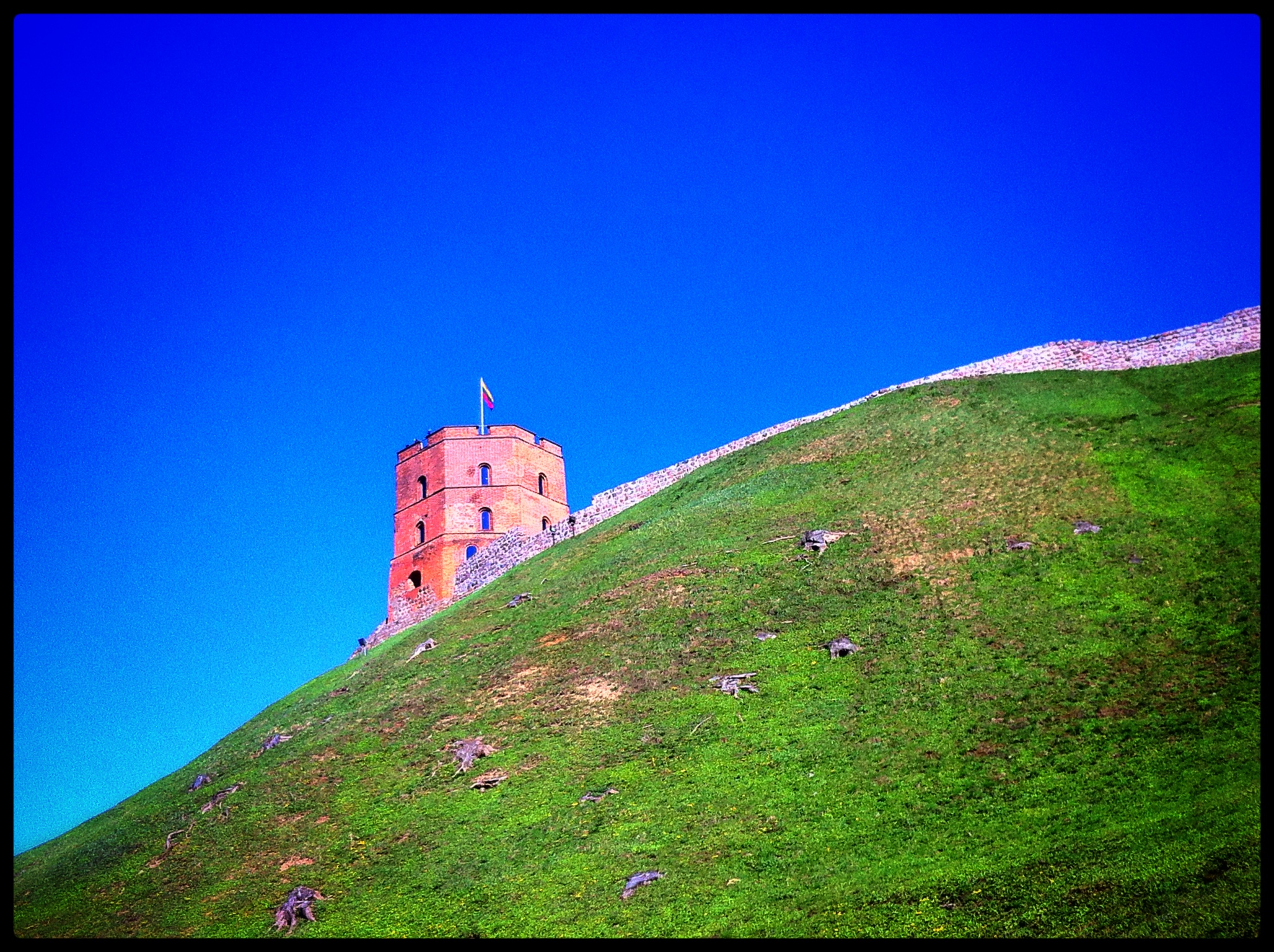
A castle on a grassy, green hill, with a flag waving against a clear blue sky. Just like children imagine castles to be, and how they draw them on paper. Except for today, when the kids play on the green grass by the foot of the castle of their dreams.

The Gediminas tower was once built for war and death and now serves as a playground for school children. The irony of the never-ending ticking of time is sweet today.

Vilnius-2

(Gediminas tower, Vilnius, Lithuania; April 2014)


1 Comment

Two hundred years of terrorism

trakai-1

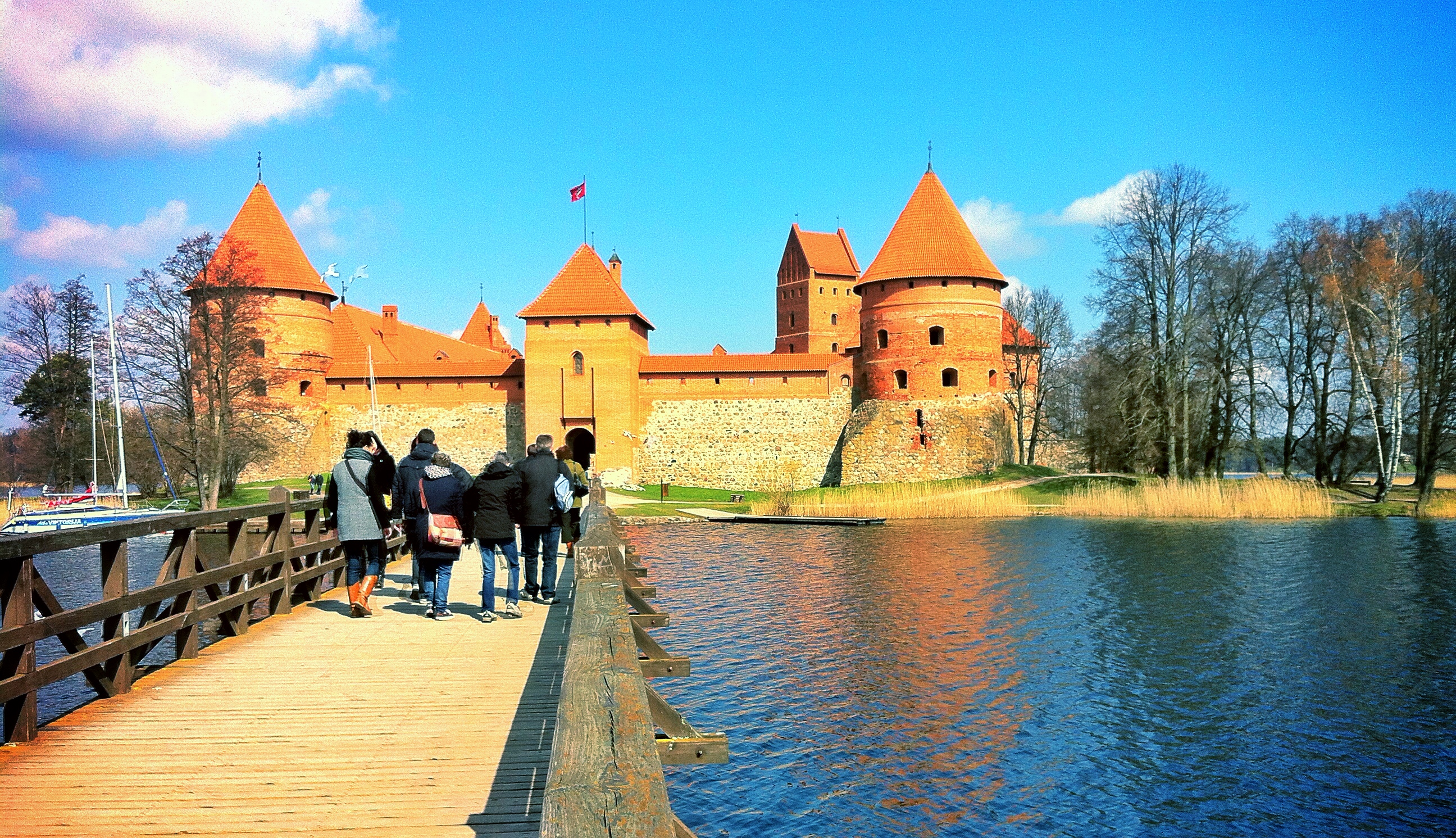
Imagine living in a country wedged between two quickly expanding world religions, forced to defend an age-old belief system against new, invading ones. Imagine your neighbors using religion to gain foothold on your land and power over your rulers. Imagine the weapon industry, military as an occupation for the boys, and continuous life in fear required to defend a country for a long period of time. Imagine the numbers of defense forts required for a country geared towards continuous threat of terror. Sounds familiar, doesn’t it? Now reverse the clock about 800 years and watch history repeat itself.

Once upon a time, Lithuania was an empire stretching all the way from the Baltic Sea to the Black Sea. In the middle ages it withstood two hundred years of continuous attacks by Teutonic knights. A pagan state had to fight to survive between Byzantine and Western Christianity.

Today’s terrorism troubles feel like nothing when compared to 200 years of crusades into sovereign land “in the name of someone holy”.

After generation upon generation of neverending battle Lithuania realized that the only way to survive was to give up and convert to Catholicism. So much blood shed for the sake of belief can never be called a victory in the name of anything holy.

Trakai-2

(Trakai island castle, Lithuania; April 2014)


Leave a comment

The unsinkable

Titanic-1

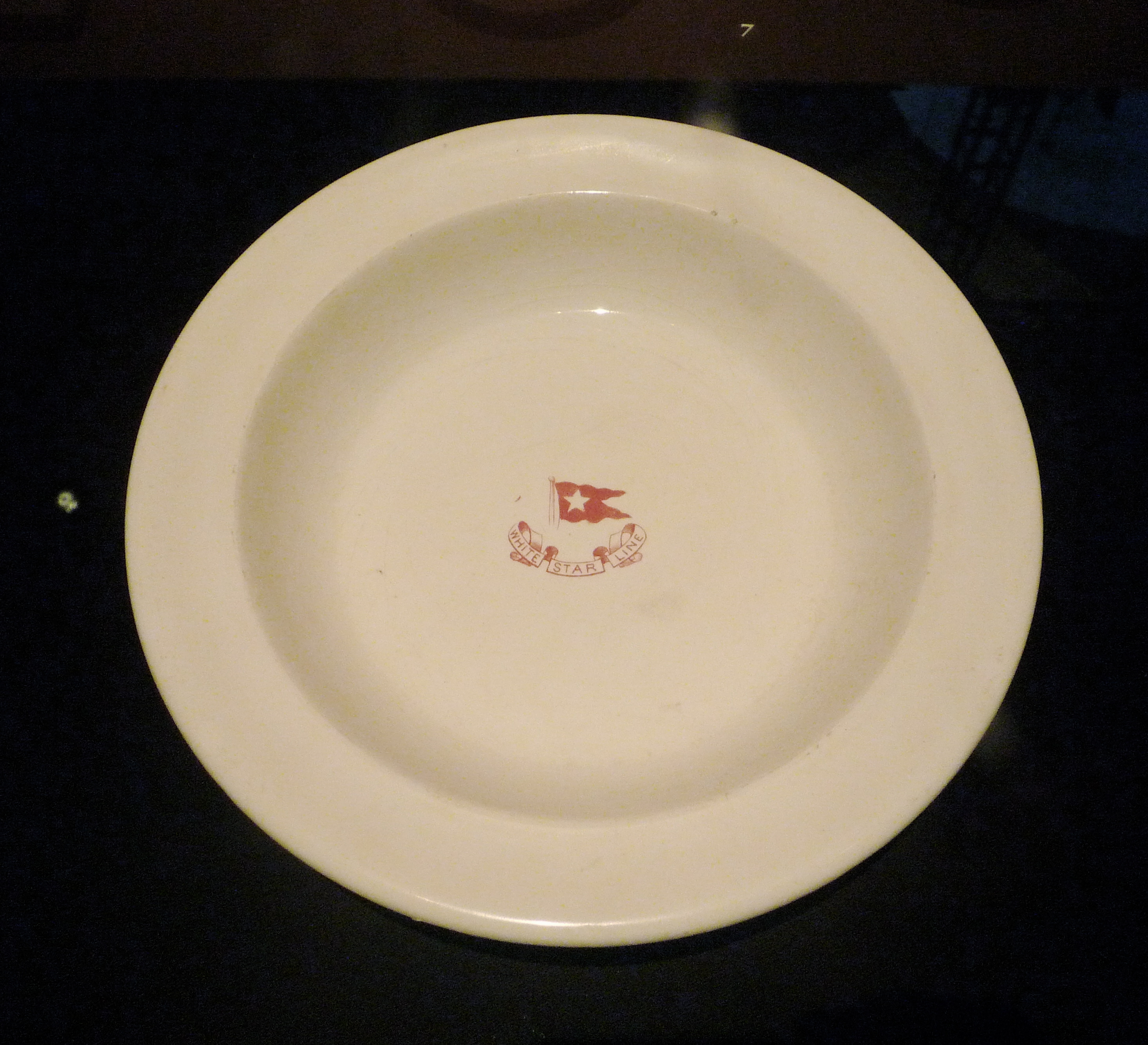
She was supposed to be unsinkable. If only the watchmen in the crows’ nest had not lost their binoculars. If only more than two out of nearly ten iceberg warnings had reached the captain. If only there was no pressure on breaking a record from Southampton to New York. If she only had hit the iceberg straight on, instead of it carving a gush on the side. If only she had only been turned instead of reversed, too.

Titanic-3

If only the regulations for lifeboat numbers had been updated for larger vessels. If only lifeboats had not been removed from blocking the sea view on promenade deck. If only they had been lowered more than half-full. If only people had believed she was going to sink, after all.

But she was unsinkable. She was big and strong like the Roman gods she was named after. Until that early dawn in April 1912, when she sank on her maiden voyage, along with over fifteen hundred souls. And yet some of her and the people she carried will never sink into the depths of oblivion – because the legend of the Titanic will always stay afloat.

Titanic-2

(Titanic: The Artifact Exhibition, Tallinn, Estonia; March 2014)


1 Comment

Listening to the layers of the city

Tallinn-1

It was the first weekend in March. That dreadful in-between time when winter is tired and spring is timid. When the days are long enough to give hope but too short to give joy. When dry cold turns into a wet cold. And then there was a Saturday of sunshine, and two sisters in need of a weekend escape.

What better than to hop across the pond to Tallinn and spend a day listening to the layers of the city? The walls do talk, and they whisper stories of great battles, bloodshed, flourishing trade, and of an ancient city that through the ages has boasted more than five names. We dove into the kilometers of criss-crossing bastion tunnels to hear tales of great escapes from war, illness, and persecution.
Tallinn-2
As I walked the worn cobblestone streets I could not help but wonder: why is it that the most beautiful cities also have the bloodiest history? And why do we associate fortresses with beauty, when they are built for war and death and suffering? Today Tallinn in the sun is beautiful. Other sunny first weekends in March have been quite different.

And suddenly there was another hue to the light shining on the city walls, reflecting from the gilded cathedral cupolae, and bouncing on the market square. It was the hue of life-despite-the-hurt, sprinkled with wisdom-of-age, and topped with a dash of pride. Despite the struggles and battles in the past and the future, or perhaps because of them, today Tallinn is vibrant, and beautiful in the sun.

(Tallinn, Estonia; March 2014)


Leave a comment

Survivors of Smoky Bay

Iceland-7

This bare, godforsaken island in the middle of the north Atlantic catches four hours of daylight in January, snow in the winter, and a cover of volcano ash every few years. For some inexplicable reason of insanity or wanderlust, a bunch of vikings considered Iceland a better place to live than their native Scandinavia. There must have been intrigue and pursuit, and an escape to an unknown, unsympathetic land far away from family and trade. 1200 years ago Iceland may have boasted with a few forests, but it forced the settlers down to their knees, to build houses of turf, survive through volcanic eruptions, and learn to catch and eat fish.

And learn they did. The adaptability of humans is astounding. Today Reykjavik (Smoky Bay) is less smoky and the steam and heat is harnessed into a geothermic heating system for the city. And when Kaupthingi bank fell in the credit crunch storm of 2008, Iceland (in contrast to other countries in distress) went against most IMF recommendations on how to push through the crisis – and survived. Again.

Hats off to the toughest of all Nordic people.

Iceland-8(Reykjavik, Iceland; January 2014)


4 Comments

Bones to build a temple on

chiefbones

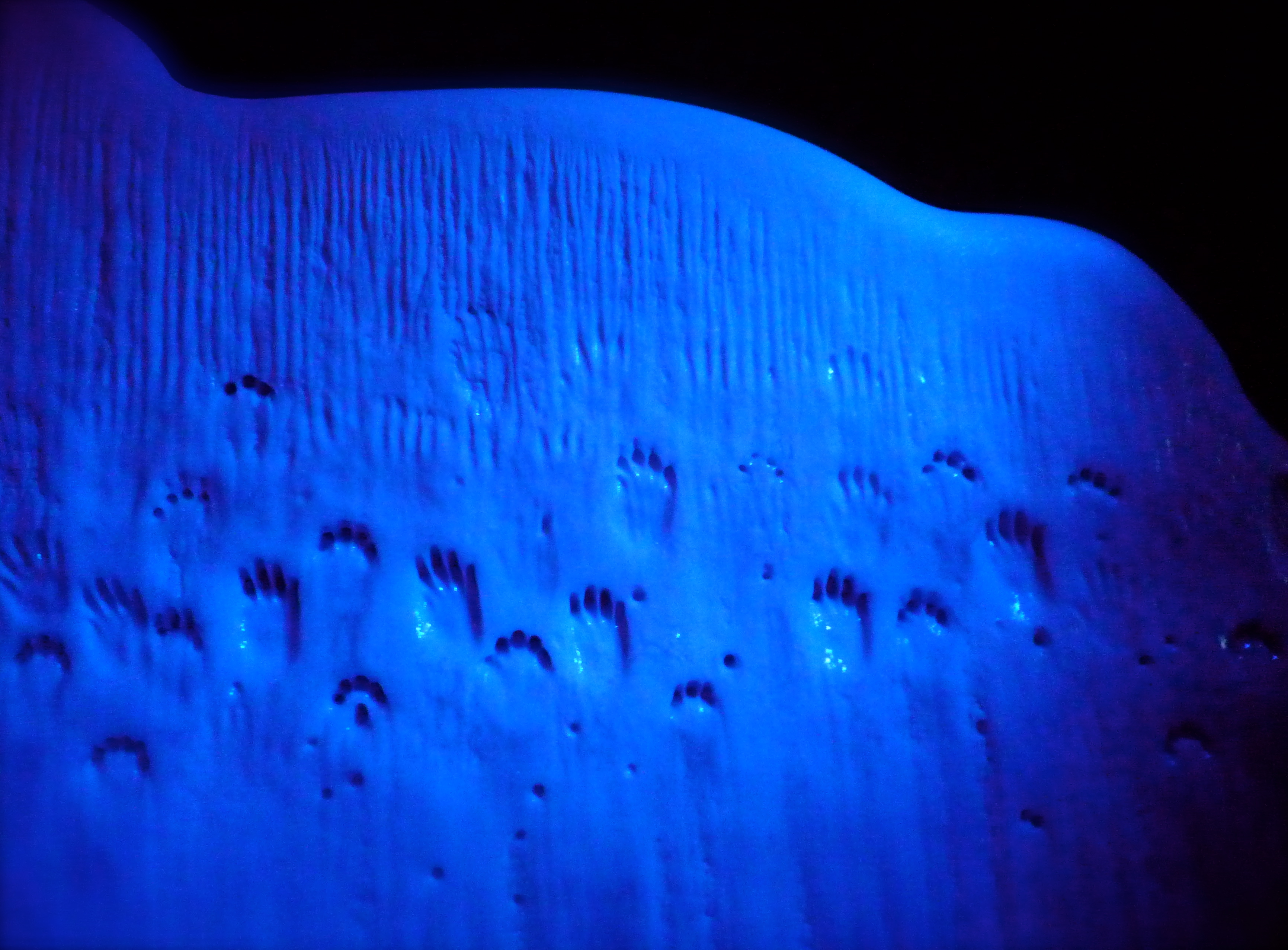
His name is long vanished, but his bones still defy time. He was a chief and buried by his villagers high atop a hill. He was mourned, remembered, and worshipped. Temples were built and rebuilt over his body while his identity and story faded. Maybe he was a great man; or maybe he was a feared man? Perchance he was a wise man, or simply a human with kind, compassionate eyes?

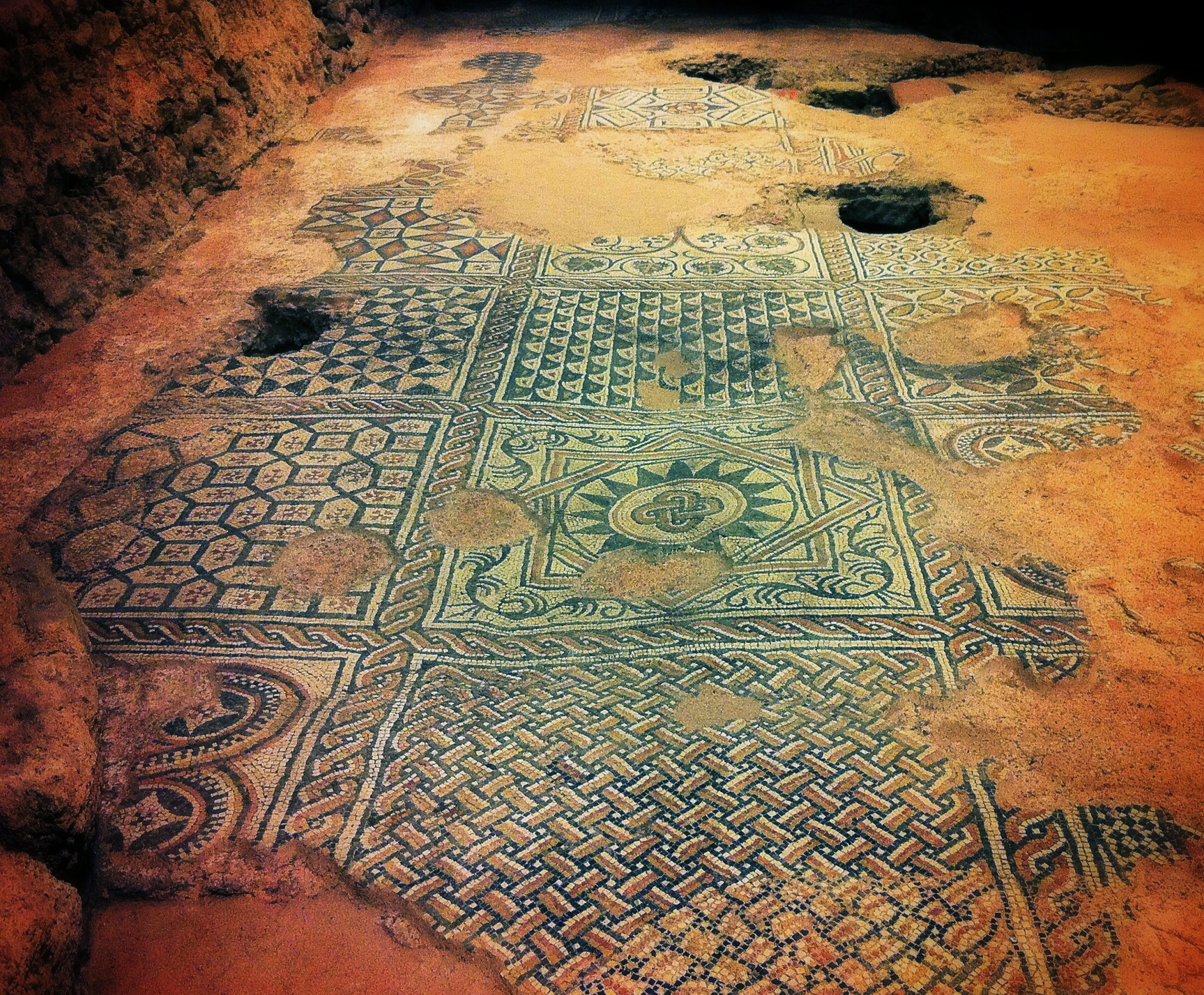
Today his burial site is still worshipped, in an unbroken lineage going back two thousand years. Today he lies underneath the Cathedral of Geneva, right under the altar area.

Chance, perhaps; or perhaps not?churchfloor

(Geneva, Switzerland; December 2013)