This blue marble

– and yet it spins


Leave a comment

A cliché that wasn’t

Processed with Snapseed.Langkawi. What a touristy-sounding destination. Never was on my travel bucket list. But somehow I ended up there anyway – and instead of my cliché come true, I was whisked away into the middle of a 10 million-year-old rainforest and by a large reef, on a wonderful private beach. The Andaman Resort makes an effort to educate visitors about the jungle, the ocean, and the reef. It claims to run a sustainable, green policy, which seems reasonable giving-back, in return of being allowed to run a resort in the middle of a nature conservation area.

Unfortunately, the cliché did manifest itself one day with a long dry spell. We drove down to Pantai Chenang. What a mistake. As we sat enjoying teh tarik by a beachside café, conversation was difficult due to the distractions of banana boats ripping through waves, parasailers being dragged around by fast boats, and jeeps transporting people from pickup points to watersport stations, and back. The water was criss-cross -littered with floating dividers in different colors, making out swim lanes and divisions between swimmers and motor equipment. I am glad to report none of us seemed inclined to buy a fanny pack, a souvenir T-shirt, and a beer; and as the sun set we happily drove back to our little corner of the island. Not even a photo remains of this experience.

The night was long, just the way I prefer: with philosophical conversation, a few bottles of wine, sounds of the beach, frog song, and the darkness of the rainforest. The essence of Langkawi is its gorgeous (and brave) nature. Only one person was reported killed due to the 2004 christmas tsunami – the reef right outside our resort took the blow and saved the island. While others party away on Pantai Chenang, the people of the resort collaborate to reconstruct the reef, giving back thanks of survival. This is the Langkawi I like and will one day return to. Because, again, my snorkel gear remained useless in my backpack.

(Langkawi, Malaysia; September 2016)


2 Comments

By the Andaman Sea

Processed with Snapseed.It was dark upon arrival on Langkawi. My checked-in backpack was slathered in oil. Ants had mysteriously infested our rental car and seemed to crawl in endless streams from its seams like a sequel to Hitchcock’s “The Birds”. My Malaysian friend drove into the jungle, without hesitation. We arrived on a pitch-black parking lot, entered a huge, empty hotel lobby, checked in, and hurried to get some sleep. I really had little idea where I had got to.

But morning came dressed differently, as it tends to do. Along with hundreds of singing birds and cicadas. And slow, soft waves rolling in. I practiced yoga at dawn. My friend went for a swim. I also found my way to the beach – the gorgeous, quiet, golden beach!

As I beach-combed this morning, looking for seashells, sea glass, and other interesting flotsam and jetsam for my beach jars collection, I realized, privileged, that I was on a paradise beach between a 10 million year-old rainforest and a large, possibly equally old coral reef. Under a warm sun, and above turquoise water, and on golden sands. One christmas, over a decade ago, there was a tsunami on this very beach. Today there is only tranquility. And I.Processed with Snapseed.(Langkawi, Malaysia; September 2016)


Leave a comment

Borders are a human invention – part II

loviisaforest-1Borders are a human invention. Ownership of anything is a human invention. We cannot function without slicing and dividing this planet into pieces, each claiming ownership of one plot – or several. In society at any age in history, landless people were always the sorriest lot. In many countries owning land is common, whereas in other cultures the divide between land owners and the landless is broad and deep.

But Nature knows no borders. Nature owns everything. And so we must work to keep the borders between my father’s forest and the neighbor’s forest clear and visible. Yet I could not find the borders of our forest if I tried. A rock here, a cleared corridor there. Fortunately we have no fences as animals know of no borders either.

As we walked around, trying to get a feel of which turf and tree is owned by whom, I got a sinking feeling of being a badly programmed human. Because I would easily overlook any border and happily chop off a christmas tree in the neighbor’s forest. And I thought of a passage from my favorite poem in the whole world, “Progressive insanities of a pioneer” by Margaret Atwood:

He stood, a point
on a sheet of green paper
proclaiming himself the centre

with no walls, no borders
anywhere; the sky no height
above him, totally un
enclosed
and shouted:

Let me out!

loviisaforest.3(Loviisa, Finland; March 2016)


Leave a comment

Surfacing above the exhausted air

nepal-27-webKathmandu valley is a pot brimming with dust, exhaust gas, and smoke. On sunny days a thick, warm-tinted, dry haze hangs over the city. Finnish, a master of subtlety, has a word for that sun-tinged haze: auer, also known as päivänsavu (day smoke).

While auer may be one of the most beautiful words in the Finnish language, on the second day in Kathmandu I was coughing and sneezing my airways inside out. How surprising to learn that made-in-Bangladesh generic allergy medicines can alleviate pollution irritation.

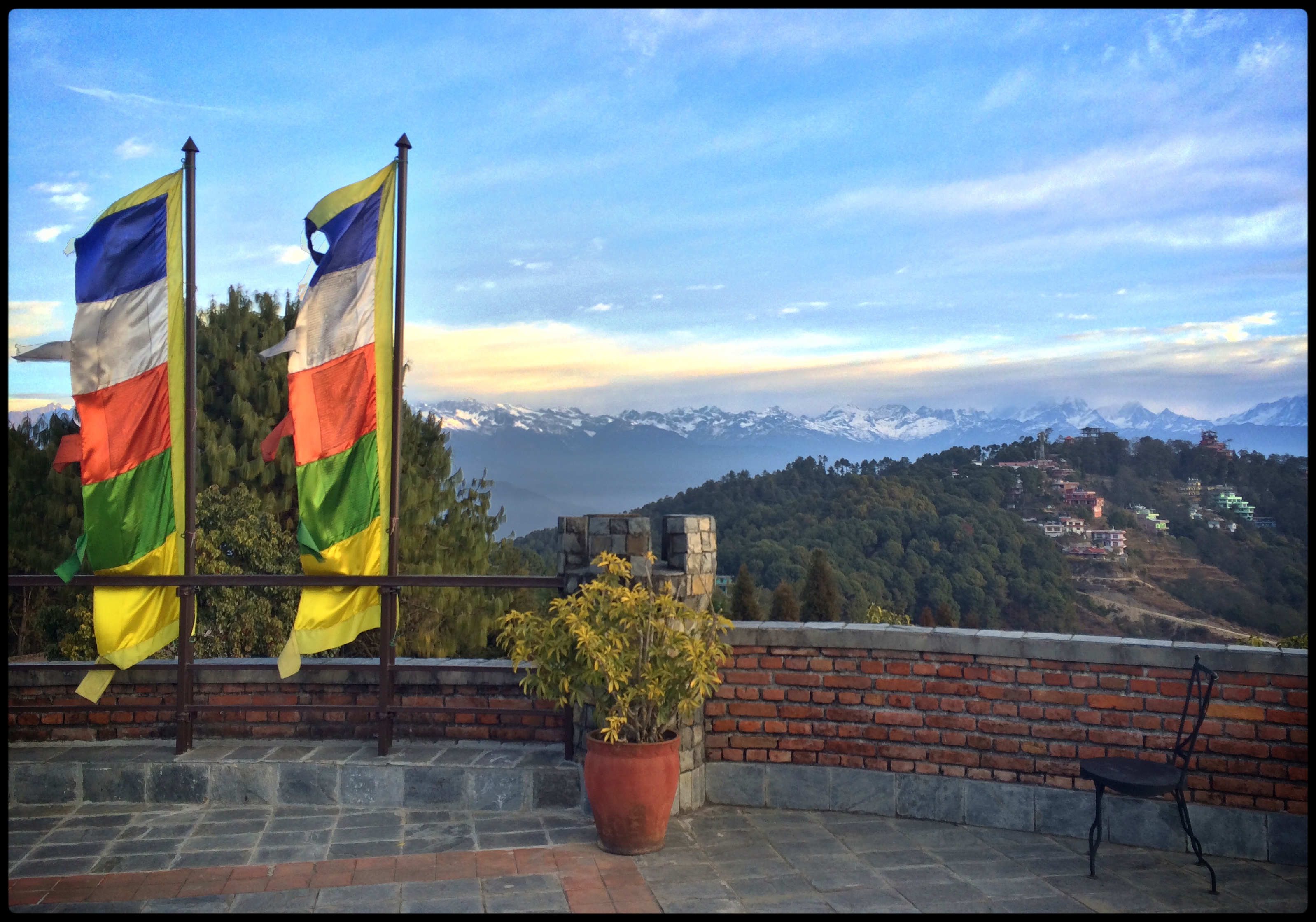
And how lovely to escape out into Nagarkot hills on the fifth day, if only for a night. And what a night. There was a sunset over the valley, a hilarious birthday dinner celebration, learning to play the Tibetan singing bowl, making a sarangi band play “happy birthday” twice because we missed it the first time, and later working on the computer in bed by candlelight in a room that never knew heating.

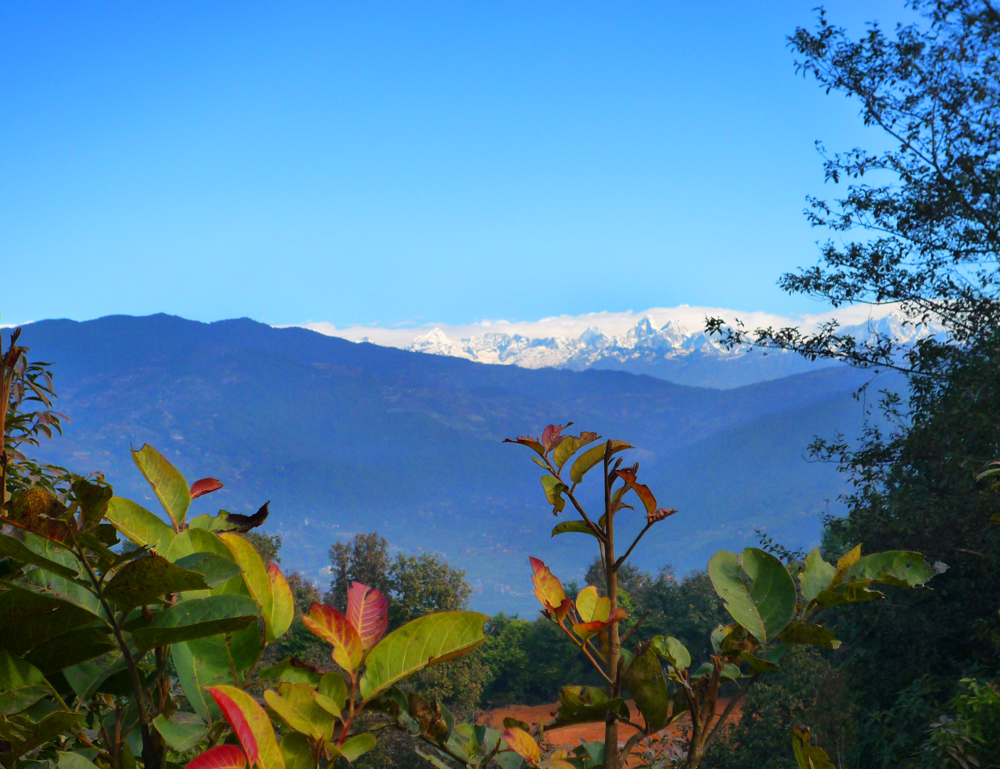
And there was a sunrise, to the East right off the Himalayas. No dust haze, just heavy dew hanging over the air before a clean, clear day began. nepal-28-web(Nagarkot, Nepal; January 2015)


Leave a comment

A message from a lost world

/home/wpcom/public_html/wp-content/blogs.dir/ac4/44716536/files/2014/12/img_5820-0.jpg
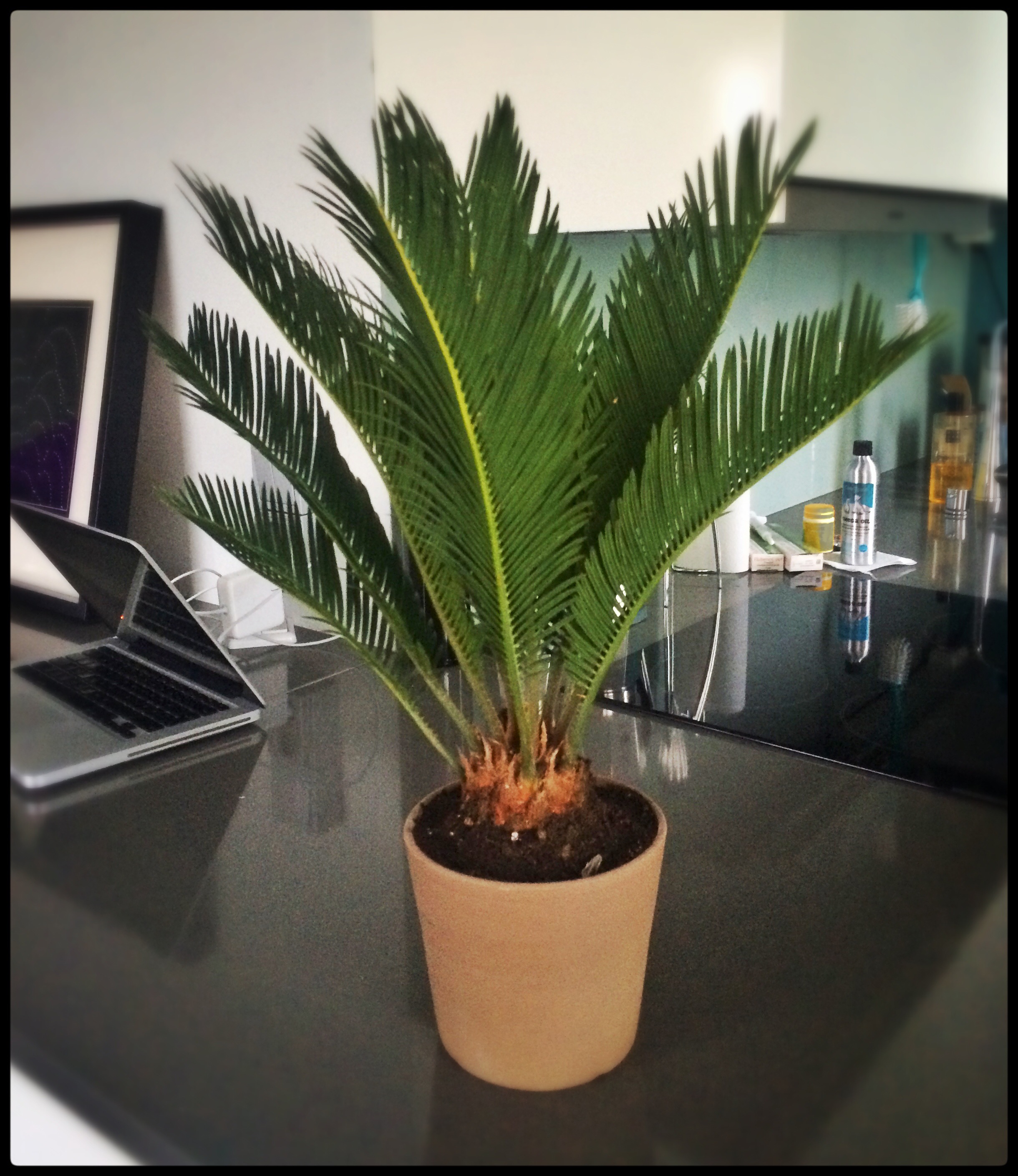
There it is, standing nonchalantly on my kitchen counter. Disregarding the clutter and the snow outside, this Cycas revoluta proudly stands as a messenger from 250 millions years ago. Yes, before the dinosaurs. What a joke, then, that I bought it at Ikea, that paragon for modernity and human everyday life, instead of a specialty garden shop offering a more worthy handling.

People go gaga for cycads. Some feel the presence of dinosaurs, others a cosmic connection, and many are fascinated by its botanical secrets. And then there are those who make money in cycad trafficking.

Yes, cycad trafficking. Indeed. Just like tortoise trafficking, or ivory trafficking.  There are those who go to great lengths to smuggle rare, CITES-protected cycads, in order to cash in thousands per plant. Not only botanists collect cycads, but also celebrities wishing to build a world-traveled, connoisseur image of themselves.

Even some botanists have faced jailtime. “Botanists in jail?!” you may ask. Indeed, botanists are usually not associated with rogue behavior. But there is something about the cycads. Is it persistence from the Permian age, regardless of herbivorous dinosaurs, ice age, and pollution? Is it in the palm-resembling looks of a plant that is closer related to the spruces and pines of our time? For me, cycads have been magical ever since the age of five when I went gaga over dinosaurs and the Jurassic age. The fascination was reinforced when I read Cycad Island by Oliver Sacks in my early twenties.

And so I carefully place my little cycad on my windowsill, sending it a silent thought to produce at least that one expected leaf per year. Perhaps it will befriend my bonsai trees and decide it, too, is here to stay.

(Helsinki, Finland; December 2014)


Leave a comment

From shade for dinosaurs to shade for humans

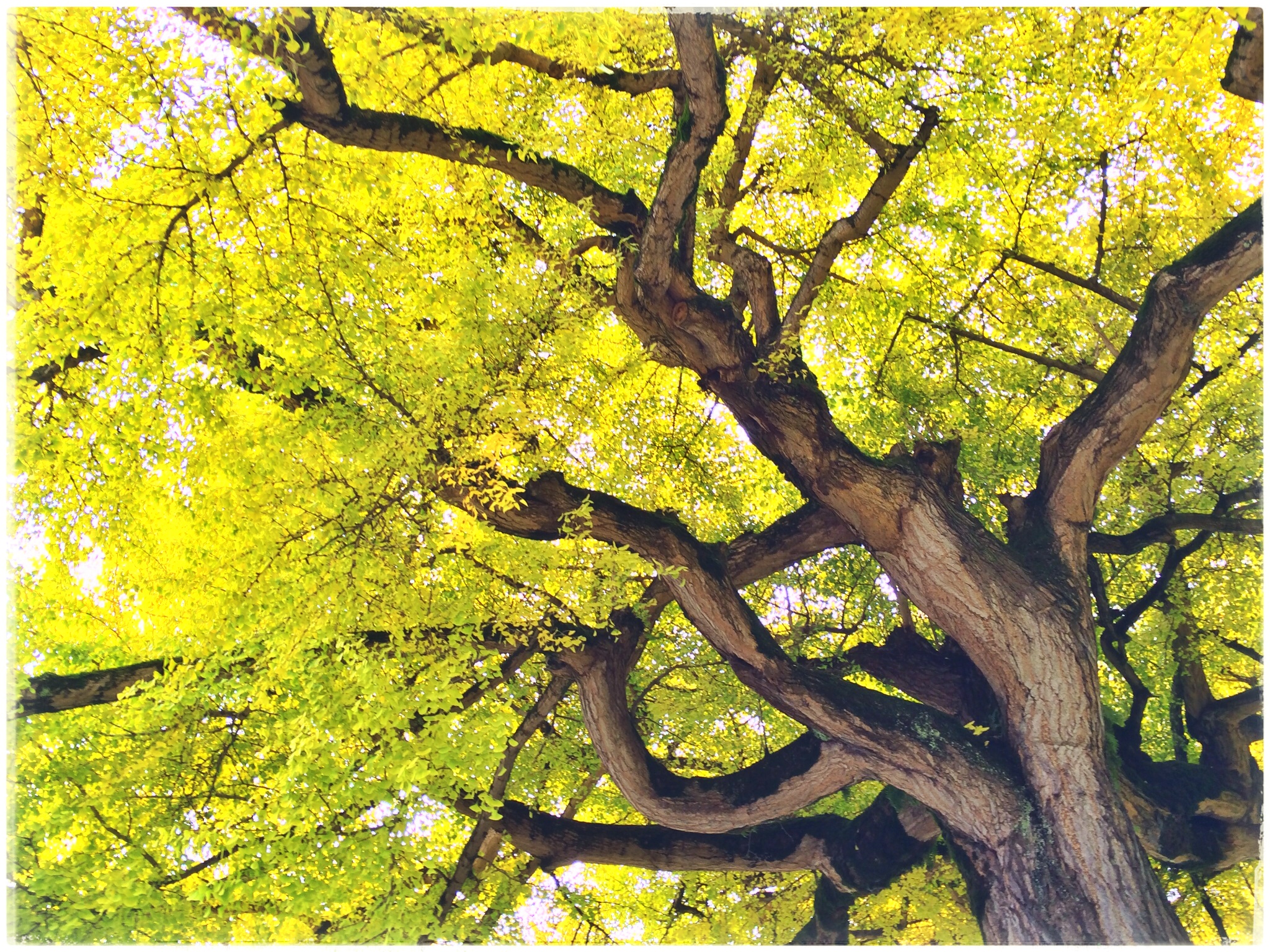
ginkgoAnd there it stood: the living fossil. A tree of a kind that is older than the dinosaurs, and the kind that even survived the Hiroshima atom bomb blast. A tree species does not live to become over 200 million years old without extraordinary resilience. Standing in the shower of golden fan-shaped leaves I marveled how age and survival does not mean one necessarily loses one’s beauty. The gingko tree is the poster queen of anti-aging. Many consider it to have medicinal qualities, but for me the marvel is in how the gingko has time-traveled and replaced grazing dinosaurs with a planet filled with humans – and without losing a single quality that makes it so extraordinarily beautiful.

Yet how sad it is to think that a tree does not live to become 200 million years old without losing all its relatives. There is no tree like the ginkgo in the world today. Survival and longevity ultimately also mean loneliness. What ever may happen to our world in the future, I do hope the ginkgo will not be the last tree standing.

(Montreux, Switzerland; November 2014)