

A short hike from the road opened up to wild sights, unlike anything anywhere else in Denmark: white chalk cliffs with over a hundred-meter drop, tropically clear turquoise waters, and rugged trees exposed to wind gusts across the Baltic Sea. Møns Klint is a UNESCO world heritage site, a Dark Sky Park for stargazing (with zero light pollution), and one of those places where I feel the quietly and slowly but steadily beating heart of this age-old Earth of ours.
The white chalk cliffs stretching over the Eastern tip of the island of Møn are all made of creatures like us, alive a long, long time ago: tiny shelled mollusks and other animals sank to the seafloor when they died and, throughout time, were compressed into white mountains. Isn’t that a beautiful mark of a short life to leave behind?

(Møns Klint, Denmark; March 2021)





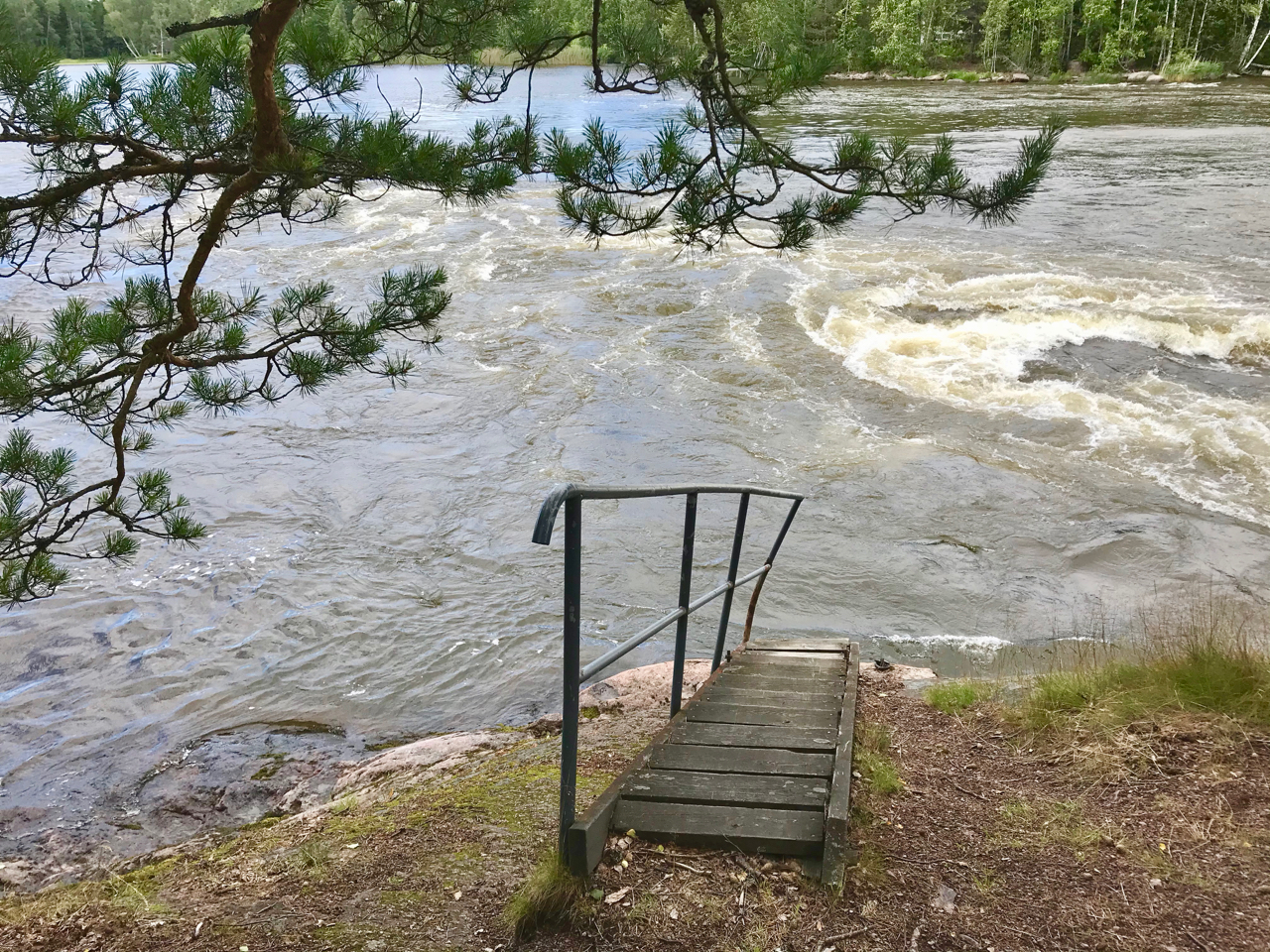
 Right out there, outside of Kotka, a huge sea battle raged in 1790. Swedish forces sank 80 Russian ships, even if Sweden was severely outnumbered. It was the largest naval battle in the history of the Baltic Sea. It was also caused by a king who wanted to prove himself to be as great as the past kings he admired so much – and to shift the attention away from the problems he had in his own country.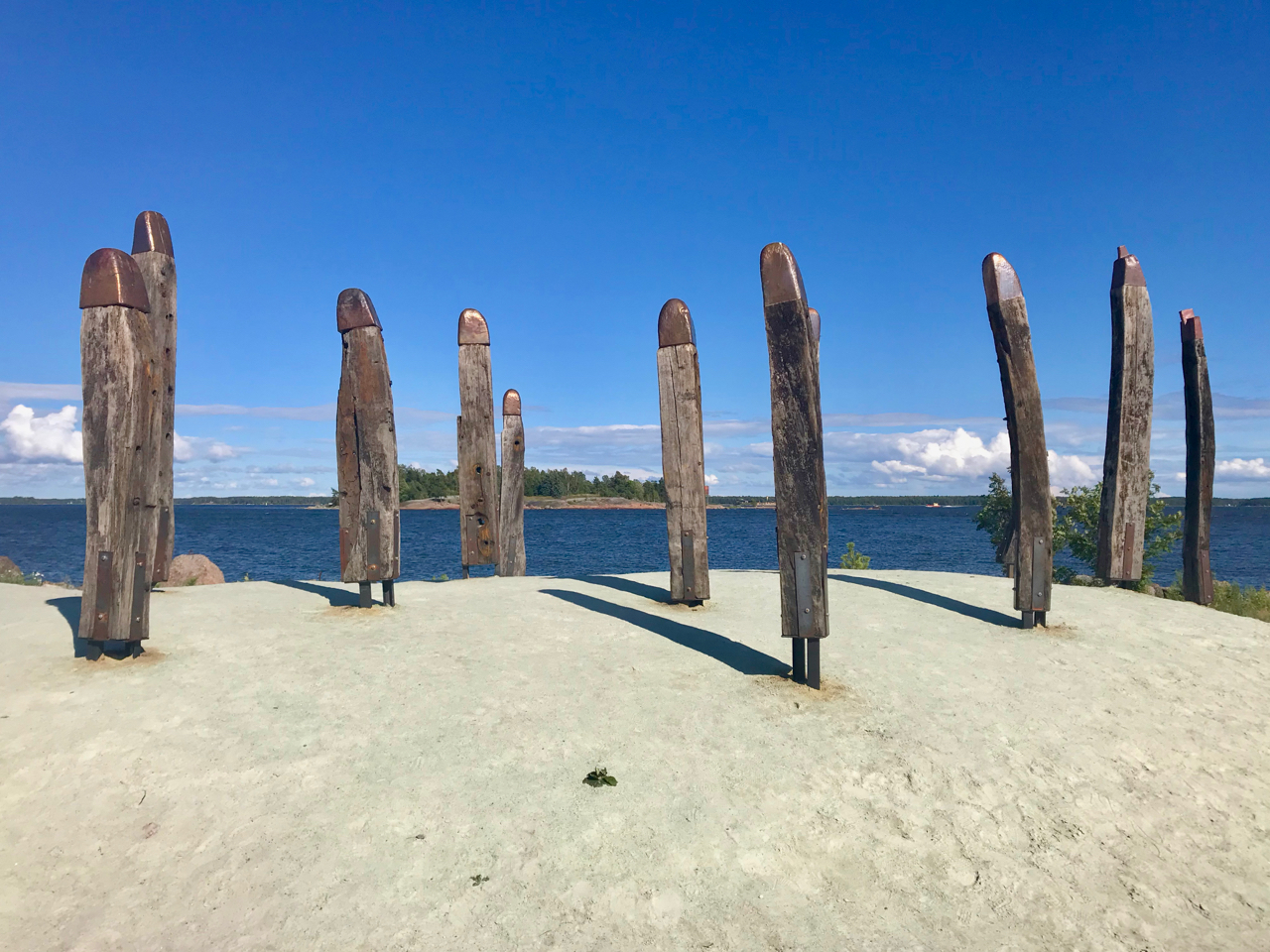
 The tip of Kotka is now a beautiful maritime park, with gardens, sheep, picnic grounds, and an ice cream stand which always has a long line during sunny days. And it is difficult to imagine the countless ships, cannons, and human bones lying on the bottom of the sea, where it not for the soldier-like ship timber erected by the waterfront as a memorial for the (arguably quite meaningless) great battle.
 (Kotka, Finland; July 2020)
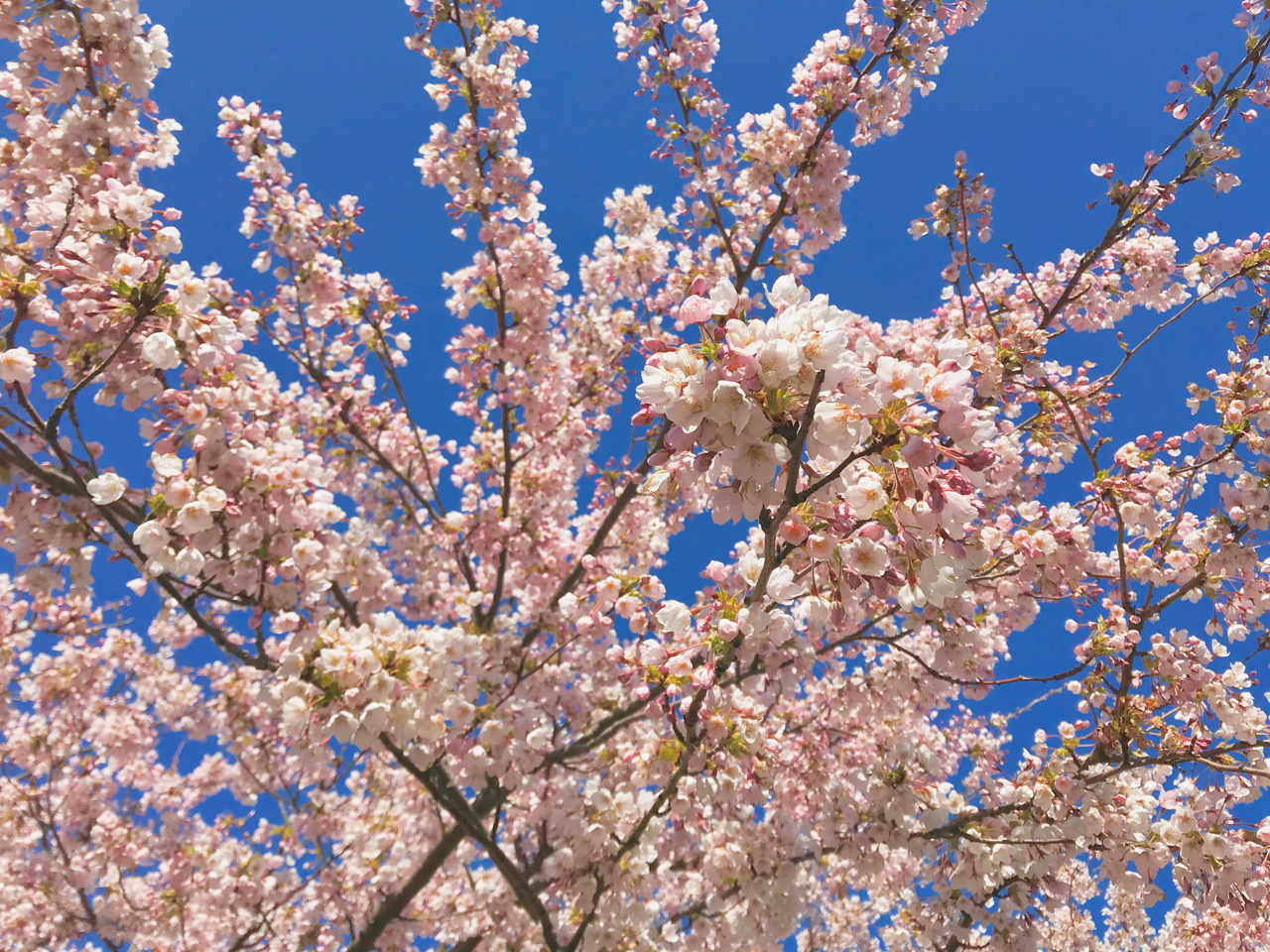

 (Copenhagen, Denmark; April 2020)
 This blue marble