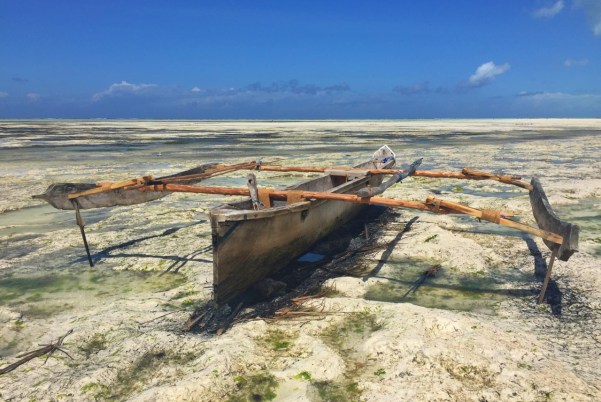
 Dear Africa, after two months it is time for me to go home. It would have been easy for me to spend another two months getting to know you better, but then I would have much explaining to do for those back home. I have barely seen anything geographically, but experienced vastly greater expanses.
A year ago I went through the apartment following the KonMari method, removing every object that does not spark joy and keeping those that do. Surprisingly many Ikea bags and garbage bags left that relatively minimalist home. For the past two months I have carried my entire home on my back: clothes for 4 seasons, including outdoors, yoga, and beach wear, a yoga mat, books, and much else. Twenty kilos plus a daypack. I really do not need much else either, and yet I have so much more stuff waiting for me at home.
Perhaps life in transit means life without a proper home. But life in transit also means only taking as much as one can carry, and being sure about the essentials and the superfluous things. Being sure about what, physically and emotionally, we want to carry on our backs from point A to point B.
Some years ago the blogosphere was raving about the Burning House challenge: what would you take with you from your home if your house was burning? You would need to be able to carry it yourself, and take a picture of everything at once. I am going back home to a reverse Burning House challenge: from being able to carry my entire life for two months to further minimalizing my life so the “click-point” of Marie Kondo’s definition for “enough stuff” is much lower than what it used to be.
During this journey of two months I have carried more mental and emotional weight than physical weight. I have not shared much of it here and do not intend to now, either. It has been a difficult journey and in my private journal I have written pages and pages about pain. But in the spirit of a deeper insight, when I dump my backpacks on the floor at home I will let it all go and see what stays. And that which stays will need to be laundered, tended to, thanked, and made ready for the next adventure.
(Dar es Salaam airport, Tanzania; August 2017)

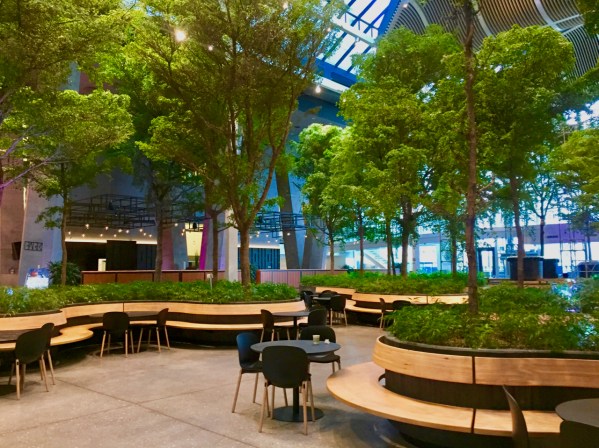 While it is gray and sad outdoors, summer continues indoors. If only our offices were like this I would never consider working from home. Indoor greenery is the most wonderful of current trends. I hope it is here to stay.
 Good morning Stockholm. The afterglow of summer is still beautiful.
 Up in the air, the rainbows are always round.
 “MARRY ME SHEENA” exclaims a huge billboard on the side of the road between Vilnius and Kaunas. No, we are not somewhere in the South States of the USA. We are in Lithuania. Surely Sheena and her beau cannot have been Baltic? Did she see the sign? Did she respond Yes?
 (Lithuania; September 2017)
 Good morning from Aarhus, from all places. And it is one cold, dreary morning, indeed. One of the random places I have had the privilege of visiting 4 times in my life already, for various reasons. How odd.
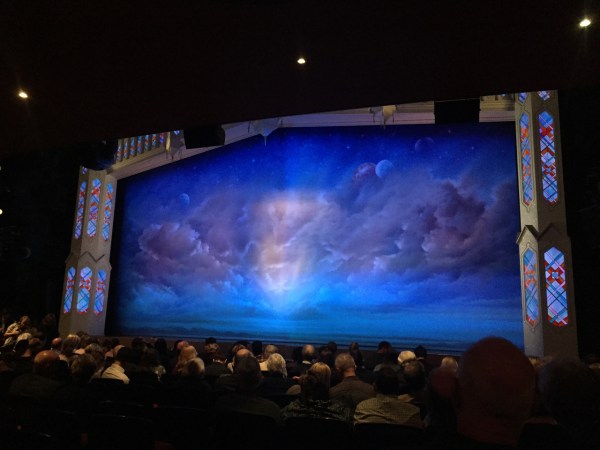 The Book of Mormon made me laugh so I shed tears. Yes, it is insulting, intelligent, and vulgar. My colleague in London told me she saw it when it was new, and one-quarter of the audience walked out during intermission and never returned to their seats. But what most people miss (perhaps?) is the sweetness in the second half: how people try so very much their best to live in a harsh world seemingly filled with limitations. The deep lessons in the ending: how another’s culture is always understood through the filter our own culture, programmed in our minds when we grew up. How, in the end, the characters on stage were all trying their very best to help each other live as good lives as possible, all in their own ways.
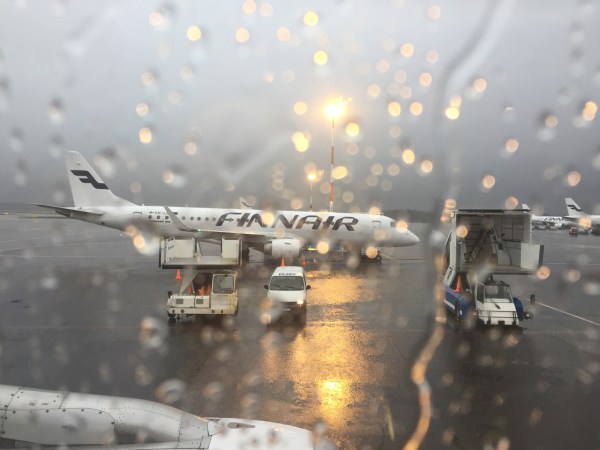 As if I could stay away from an aircraft longer than a week. Not possible. Not in this job. Hello London. Or was it Copenhagen? Stockholm? I forget.
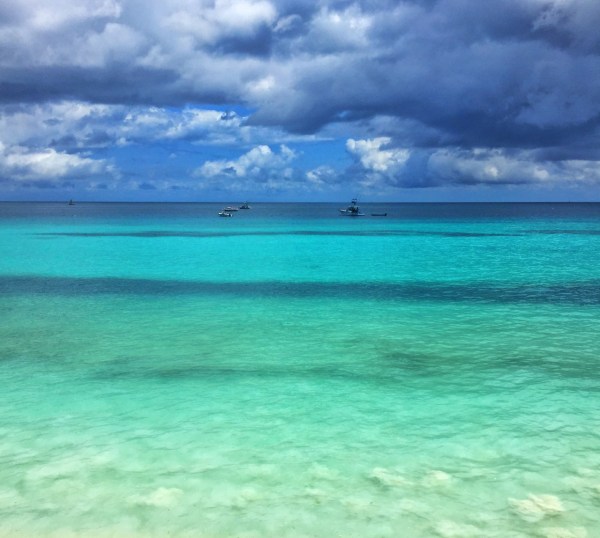 Once more, with feeling: no words for the colors.
 The easiest way to get properly lost on Zanzibar: go to Stone Town. Or Zanzibar Town, as it is also called. Just walk in between the old Indian merchants’ houses and Arab palaces, beautiful wooden doors, and wooden lace-carved windowpanes. Notice traffic sounds exchange with laughter of children and shouts of local women and you will already be lost in the maze of alleys and tiny shopping streets.
  Some are enchanted by Stone Town, as a living monument to the eye of the vortex that Zanzibar was between gold and ivory trade, slave trade, and Indian, Arab, and Portuguese seafarers. While the palaces, the gruesome stories of the slave trade, and the little shops have their appeal, each time I visited I could not wait to escape the noise and the cramped streets for the turquoise blue waters of the beaches.
  But if you find yourself in Stone Town, do not miss these: the Anglican Cathedral standing on top of the slave market, housing a memorial; the Mnemba Spa shop for souvenirs; the Palace Museum for a peek into the life of a Sultan; the covered, souk-like food market; and the Forodhani Gardens for night-time street food fiesta.
 (Stone Town, Zanzibar, Tanzania; August 2017)
 This blue marble