
 Lama Patrul Rinpoche says many wise things. But he also says that the reader should get rid of all his/her belongings, move into a cave, and eat leaves. That warm clothes will be found, and that no saddhu has ever died of starvation. Maybe so, but this is hardly an egalitarian view, as it does not promise everybody the possibility to follow the right path in this lifetime. Otherwise we had nobody to rely on food or clothes. Tibetan Buddhism is tough stuff.
According to Patrul Rinpoche, living a good life and striving for good deeds is not sufficient. Instead, one must actively choose (every day) to strive to leave this level of existence, not for a higher level of existence but for an exit from samsara (the cycle of life) altogether. One’s most heartfelt wish must be to check out and to fuse one’s individual soul with the world-soul. Tough stuff, indeed.
I got the Words Of My Perfect Teacher because I walked into Pilgrim’s in Kathmandu and asked for a book that would help explain why so many people are attracted to Buddhism. I was told this one was popular. I can understand why, as it is full of little pearls of wisdom. But it is also a demanding teacher. Patrul Rinpoche tells a story of an enlightened being who, without knowing it, stepped on a little bug. He went to hell in afterlife.
I am still not sure I understand why Buddhism feels right to so many. But I am not giving up yet (to be continued).
(Helsinki, Finland; January 2017)
 Nothing can beat the jokes between those who grew up together. And if laughter extends lifespan I can expect at least 10 years more after this night.
 Freezing water needs a surface to form ice crystals. Trapped in the still, cold air, it remains liquid, supercooled, even if the temperature is below zero degrees Celsius. Contact with a surface helps the water droplet organize into a new shape, one that is right for the current weather.
 The Aztecs would turn over in their graves if they knew that their precious, spiced, bitter, sacred “Drink of Gods” is today mixed with sugar, milk, and vanilla; and sold in any grocery store and gas station.
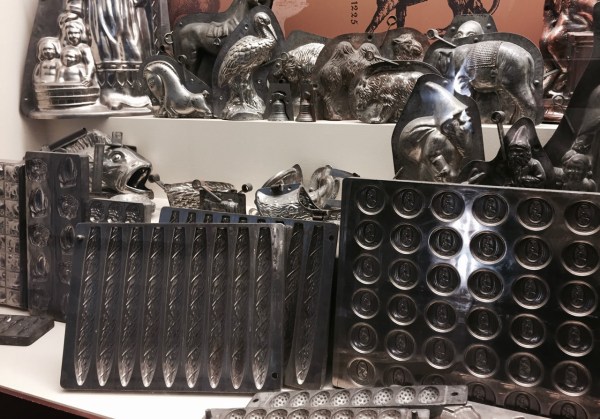 As I looked at various ancient tools for cleaning, fermenting, and preparing cocoa pods and beans, I could not help but wonder how the aztecs first got to performing the laborious process of picking, cleaning, fermenting two times, drying, and roasting the cocoa beans? Why did they not just satisfy themselves with the sweet pulp of the pod, spitting out the beans? Or perhaps somebody spit out the beans and left them to ferment and then dry and then his or her children ate them by mistake and found them delicious? Or perhaps their god appeared to a priest in a dream and told him how to make cacahuatl?
 And who first spilled sugar and milk into a drink that was served prepared in water; hot, spicy, and bitter? How did the drink of warriors, priests, and men requiring strength become the consoler of lonely women sitting by their televisions?
 (Bruges, Belgium; December 2016)
 15 years ago I spent two feverish, hazy days in Bruges. Maybe we did a canal ride. Maybe we had some Flemish cakes. Possibly did we try ask around for a jazz bar but only ran into tourists, not locals, at night.
 My worst ever memory of sleeping in a mixed dorm was during those 2 dizzy days. It involved a dozen partygoers and a lot of booze (not for us), and a terribly smelly room in the morning.
 But this time Bruges was crisp, cold, and sunny. Like a picture postcard of gingerbread houses in a row, with a few canals in between. And this time I do remember the (freaking cold) canal ride.
 (Bruges, Belgium; December 2016)
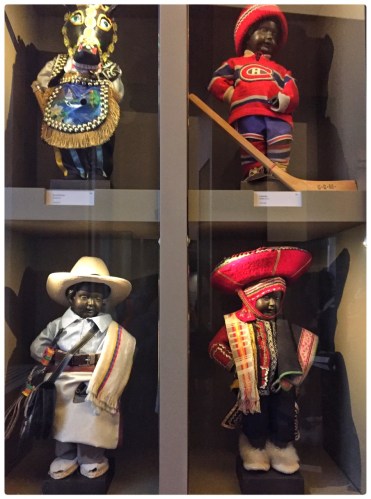
 Turns out Manneken Pis has a wardrobe, and a sister. Jeanneke Pis, with her yogic flexibility, looks like she is pleasantly meditating on the way of the world. You can find her peeing away in the end of a little dead-end street, just off the Grand Place.
 (Brussels, Belgium; December 2016)
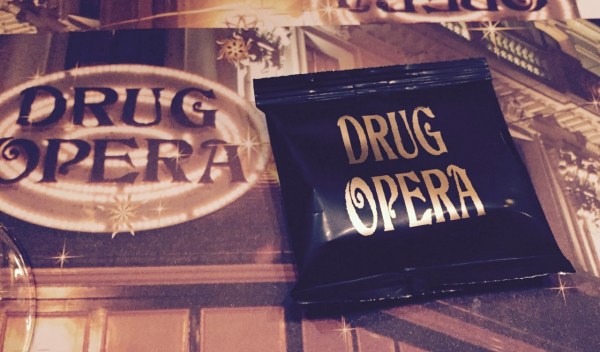 Dinner at the Drug Opera. What we ate will remain untold.
 How many megawatts of power every night? How big is the environmental footprint? Maybe some years later we will be chided for this extravagance. But tonight the Brussels market square was beautiful.
 (Brussels, Belgium; December 2016)
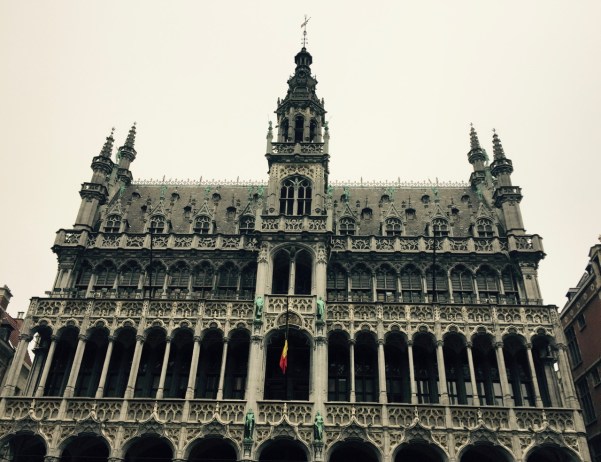 It was the days between Christmas and New Year. When everybody wraps up warmly and goes out to town to look for friends, items on sale, or mulled wine. When the bleak weather is easily rescued by good company as work is not on everybody’s mind.
 When the christmas tree was still relatively much alive while most around it was winter dead in the dead of winter.
 (Brussels, Belgium; December 2016)
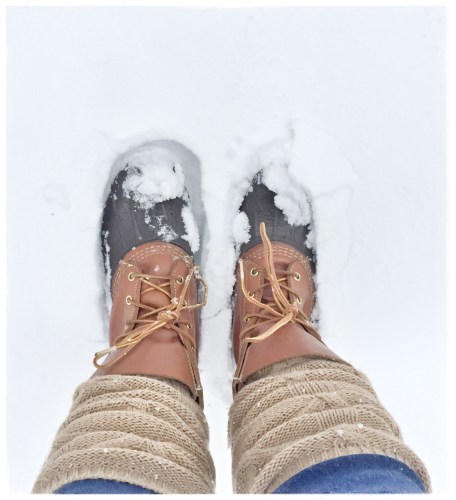 To those who will remember 2017 as another snow-less winter: here, from the archives of February month. And it was bitterly cold, too. Thank goodness it is April now.
 This blue marble