
 Item for item, I made a conscious decision to keep only those that spark joy. In reverse, during the past month I have sold, recycled, handed away, or thrown out every item that did not spark joy. Cassandra the cat had her own opinions, too – and they were mostly respected.
With the help of Marie Kondo I discovered how, even if I thought I loved all my books, some actually made me feel really drained. I just needed to hold them, one by one, and ask the magical question. Thanks to Ms Kondo I also discovered how painful my collection of recipes was on my heart. And how many little nests of negative emotion lived in my drawers. Out, all of them out.
We are not the things we own. But the things we own have a hold on us. They either lift us up or weigh us down. And nostalgia is not always the same as lifting up. In this Western world of abundance, the ultimate luxury is to be able to only own things that lift us up. I am grateful for being allowed such luxury.
(Helsinki, Finland; October 2016)
 “Finally, in this greenery, Ulla stood as bride for the last time”
 I am quite certain this 400 year-old gasthaus was alive last night. Either that, or the cold made the house shrink very loudly. Perhaps it moved a little, too… crept closer to the waterfront, if only anybody bothered to find out.
 (Stockholm, Sweden; September 2016)
 After the first 5 days of work I was glad to take refuge in Michael Stone’s workshop. Three days of reflecting on how yoga and meditation dance with consciousness was the perfect soft landing from a journey of discovery in Southeast Asia.
 (Helsinki, Finland; September 2016)
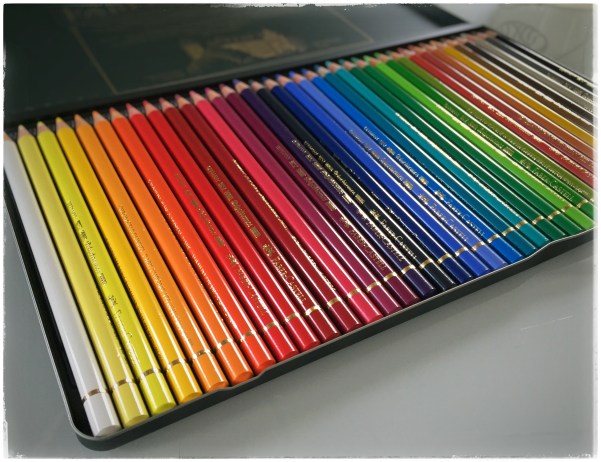
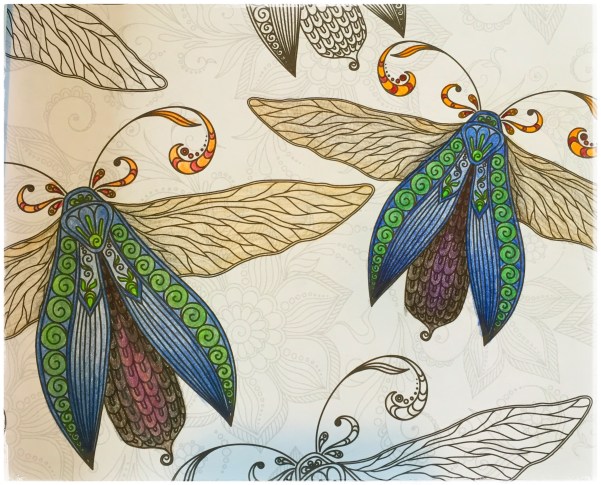 Coloring is good for a jet-lagged brain. Especially with my favorite souvenir from last summer: a box of Faber-Castell Polychromos, purchased from a lovely lady in a huge mall in Kuala Lumpur.
 (Helsinki, Finland; September 2016)
 When you run out of space, go vertical. IKEA knows it, too. But nothing compares to how Asian metropoles go vertical. It seems to be quite expected to discover a resort on the rooftop of one’s apartment building: a multilayered pool like a maze, disappearing under shading palm trees; sun loungers and waterfalls and garden of flowers and butterflies; a gym; and naturally also a restaurant and a shop. In one condominium complex.
 Drinks by the pool on the roof of the Traders Hotel, where neon lights dance in the swimming pool, fan-spun air ripples the water, and nobody falls in. Apparently nobody ever falls in. How very un-Finnish. (Oh, but this is Kuala Lumpur)
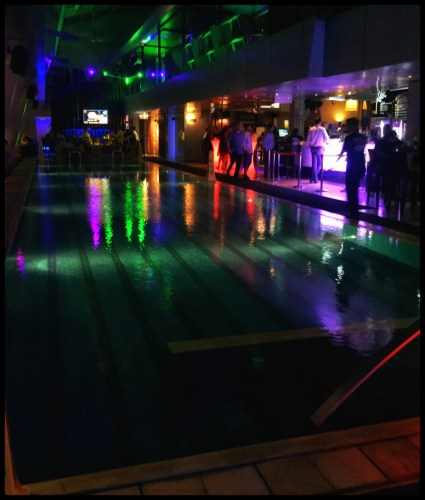 (Kuala Lumpur, Malaysia; September 2016)
 10 years later, I was back in Kuala Lumpur. I had vowed never to return. Everything had been arranged and I did not have much of a choice. And so we woke up in KL one morning and, since one of my friends was a 1st time visitor, ended up on Petaling Street. The famous once-flea-market, now tourist-trap street with the red lanterns. And apparently under a glass roof, these days.
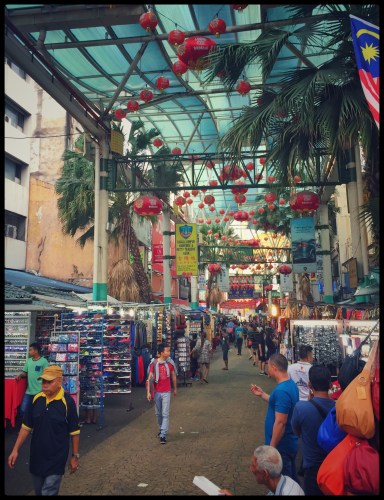 The shops lining the street did still sell traditional Chinese goods and foods, but the illegal copy industry of branded goods had taken over the whole street (how sad), save for a few stalls selling Indian print harem pants or street food. Otherwise it was sunglasses (Ray-Ban), “Louis Vuitton” bags, watches, “Gucci” T-shirts, and most, if not all, fake – of course. Apparently, if one is lucky one can find the real thing, sold on the street as an overflow product from a local factory. Most likely not, though, as such things would be sold in proper factory outlets, not out on Petaling Street.
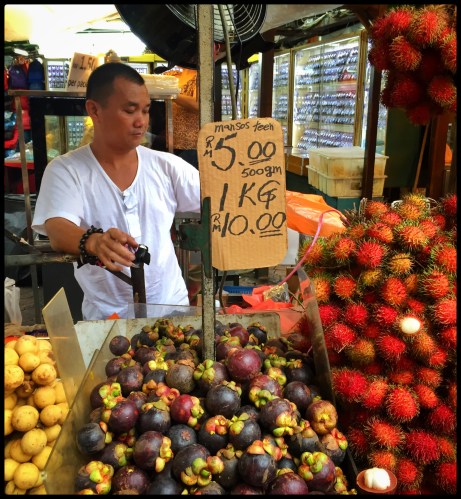 How surprising to an (apparently) naïve person that the market for fake goods is large enough to carry a size of business of Petaling Street. Who buys all the quite obviously low-quality “Louis Vuitton” bags and “Dior” sunglasses? Asians? European or Australian tourists? What kind of social classes?
 It will be interesting to come back in 5 years time (of course only on idea level – I’m done with KL), to see how the presence of hipsters changes the offerings on Jalan Petaling. The crowd found in the cafés around Petaling seems to be of the somewhat well-off and well-educated lot, one that, when they choose to, would spend much money on things it cannot get from elsewhere. Perhaps there is yet hope for Petaling Street.
 (Kuala Lumpur, Malaysia; September 2016)
 Langkawi. What a touristy-sounding destination. Never was on my travel bucket list. But somehow I ended up there anyway – and instead of my cliché come true, I was whisked away into the middle of a 10 million-year-old rainforest and by a large reef, on a wonderful private beach. The Andaman Resort makes an effort to educate visitors about the jungle, the ocean, and the reef. It claims to run a sustainable, green policy, which seems reasonable giving-back, in return of being allowed to run a resort in the middle of a nature conservation area.
 This blue marble