This blue marble

– and yet it spins


Leave a comment

Follies

hagapark-1Here up North, gardening is serious business and all about flowers. Perhaps a bench could be in order. Or, if one has courage, a teensy weensy fountain. Or, for the most brave: a little statuette.

Kings and queens, on the other hand, have larger gardens. Mostly parks. With lakes, forests, and hills. A little fountain or statuette would disappear in such a garden. Kings and queens also used to get quite easily bored – if there was no war going on that is. Or famine. One can only host so many tea parties in a park with the exact same landscape. And one can only re-landscape a park every so often.

The most trendy solution during the 18th century was “follies”. Buildings made for absolutely no need except for to look nice. Or for example to dine outside with a view over hill and lake bathing in the light of the setting sun. One could just have a table carried out – or one could build an oval gazebo in the backyard and paint the ceiling with flowers.

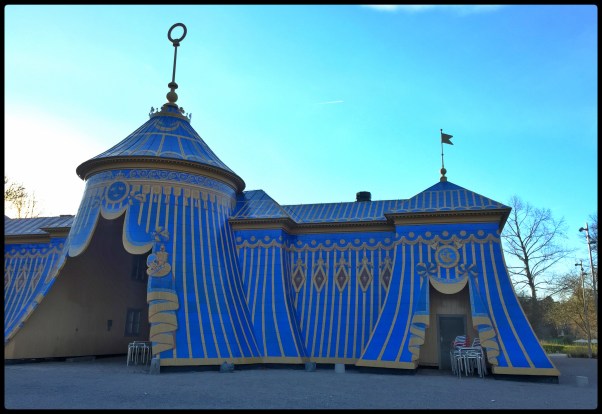
And if a tea party turns out to be a bearable pastime and a summer tent was needed, why not build a Turkish tent out of copper? Or host the party in a Chinese pagoda?hagapark-3And, folly of follies, should the king become utterly completely bored with his beautiful castle, well, how about building a little garden shed, with just two wings and about 30 windows, for the king to move into? A little like a boy moving into the empty toolshed in the back of the garden? The king of Sweden did exactly this. Gustav III lived his last summers in his “garden shed” – until he was shot during a Venetian style masked ball. hagapark-2(Royal Haga Park, Stockholm, Sweden; April 2016)

1 Comment

An ancient animal parade

lascaux-2The light flickers on. A golden glow washes the white walls, and I am standing in the middle of Noah’s Ark running by. Deer, bison, dozens of horses great and small, ibexes, and felines rush by and I am standing in the middle of this migration. The light flickers again and turns off. An eerie black light glow lights up a completely different set of animals, carved underneath the painted ones. Hordes of running horses swish past.lascaux-3But why did our early ancestors paint animals that were not hunted every day for survival? Why did they choose to focus on these magnificent creatures that they perhaps knew less well, and from a distance? What do the geometric signs painted on and around the animals mean? The stripes on the horses, the square pattern underneath the cow?

And what was the purpose of the art? Was there any purpose, or was it for everybody’s education and joy just like an art exhibition and a museum are today? Or was this place sacred? Were people singing when painting? Is it possible to recover the ancient words and tunes from the sound vibrations transmitted from the throat to the hand holding the brush and to the painting, just like a gramophone needle reads grooves in the clay disc?

The answer is probably locked away forever. And so are the Lascaux caves, too, in a time capsule intended to preserve the art from mold and moisture. Fortunately lovely paleo-lovers have created both a real-life replica of the Lascaux right next door, as well as the marvelous exhibition showcasing the work as if on a real cave wall. It has just left Geneva but do catch it if you can, where ever it goes next. Spending a moment in the world of our ancestors 20,000 years ago is an interesting experience. lascaux-1(Palexpo, Geneva, Switzerland; January 2016)


Leave a comment

Stands the Church clock at ten to three? And is there honey still for tea?

Grantchester-2would I were
In Grantchester, in Grantchester! –
Some, it may be, can get in touch
With Nature there, Or Earth, or such.
And clever modern men have seen
A Faun a-peeping through the green,
And felt the Classics were not dead

But these are things I do not know.
I only know that you may lie
Day-long and watch the Cambridge sky,

Until the centuries blend and blur
In Grantchester, in Grantchester ….

(Rupert Brooke)


Happy to be back in Cambridge. Rupert Brooke felt it, too, as he longed for Cambridge and Grantchester meadows from his apartment in Berlin in the spring of 1912.

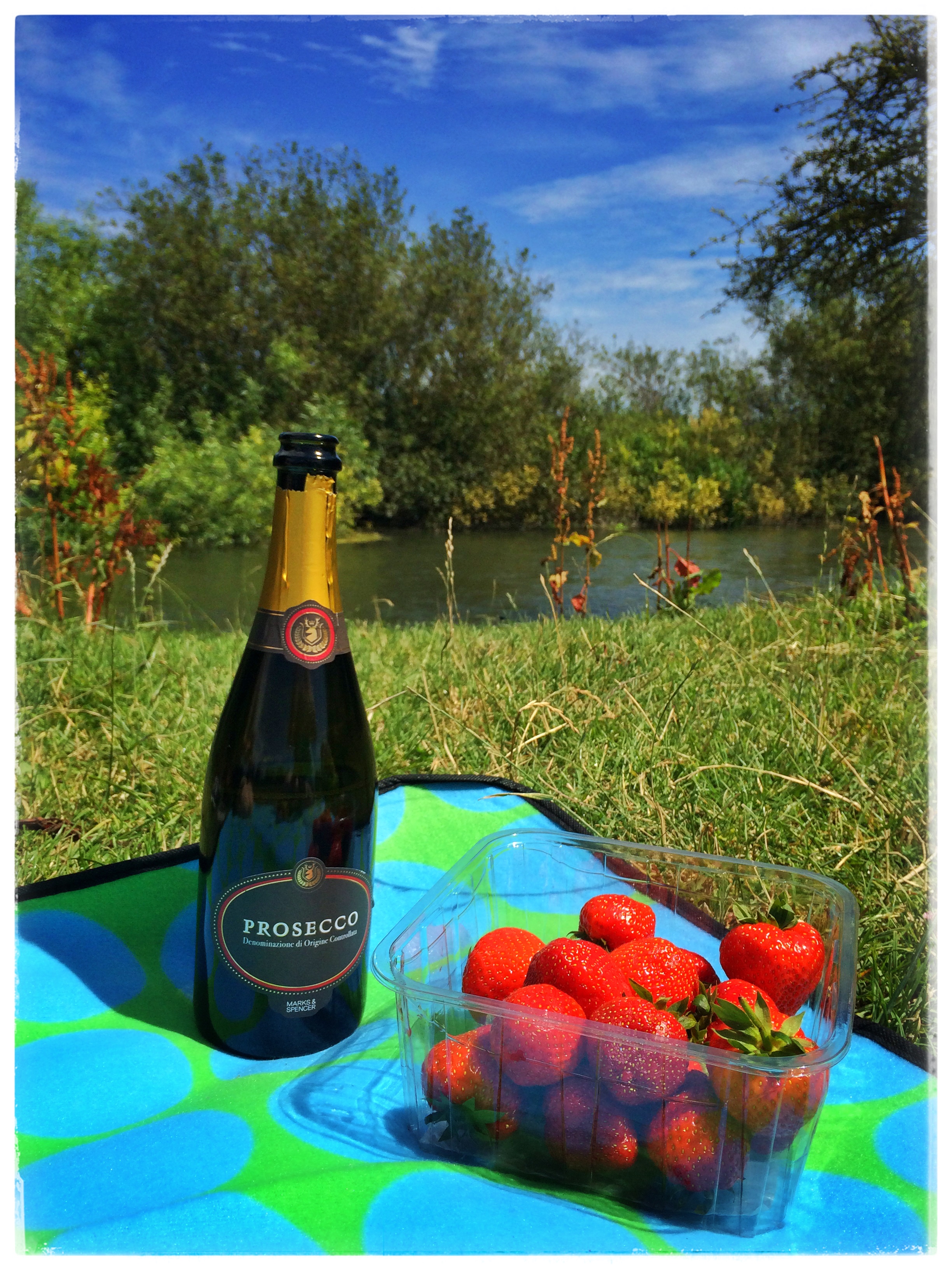
103 years later we ditched our luggage with all their Polish dust at the hotel, grabbed Prosecco and strawberries and the picnic blanket and headed for Grantchester meadows, river Cam, and the summer sun.

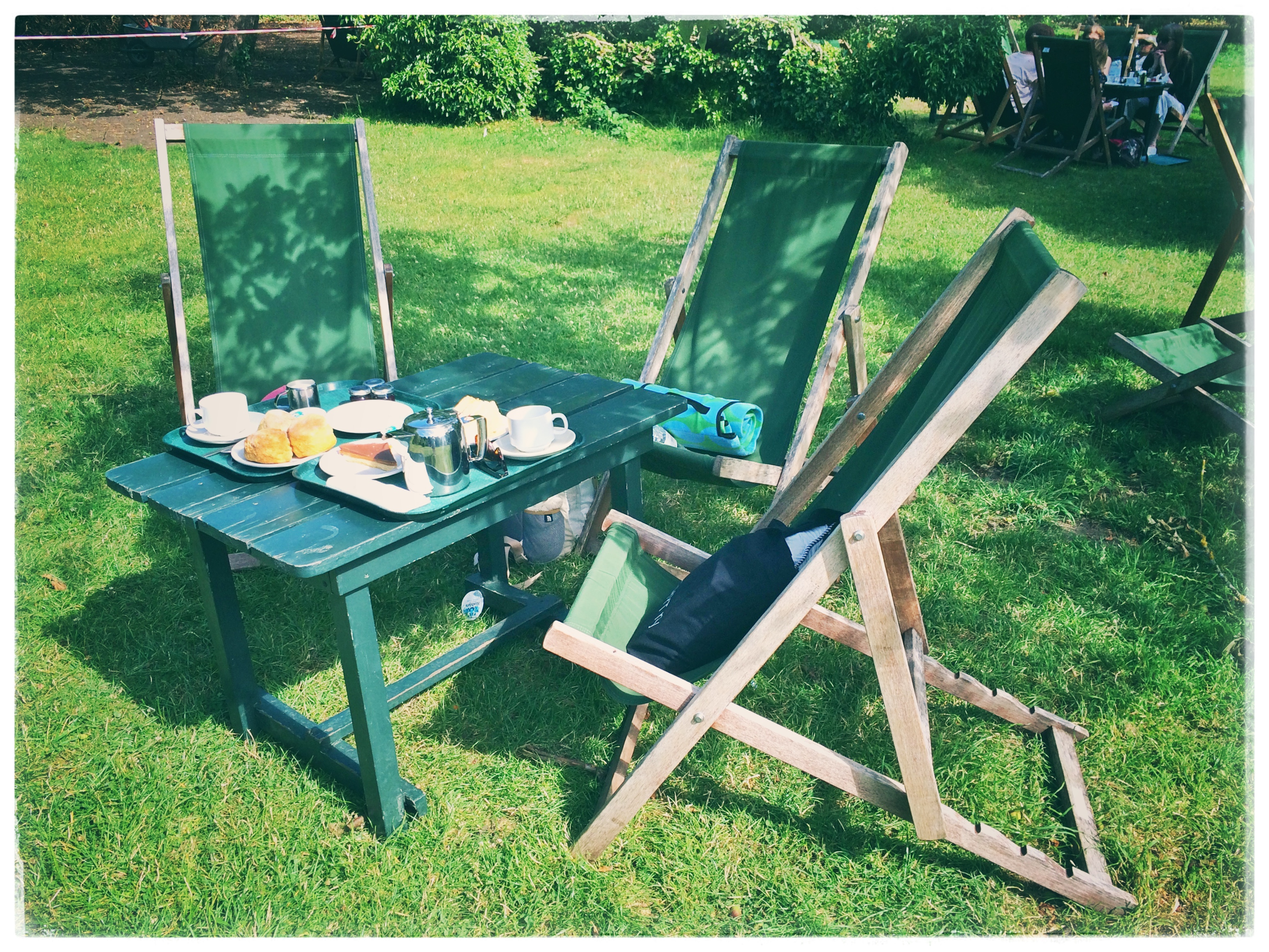
Grantchester-3Hours later, heavy from soaking up the sun, we climbed over the cow fence into the Orchard at Grantchester, where Brooke and his friends Virginia Woolf, E. M. Forster, John Maynard Keynes, Bertrand Russell, and Ludwig Wittgenstein once used to sit and repair the world with the power of thought, word, and verse.

The church clock may no longer stand at ten to three, but there is always honey for tea – and fresh scones with jam and clotted cream.

Grantchester-1(The Orchard tea garden, Grantchester, United Kingdom; July 2015)


Leave a comment

All the world’s a stage

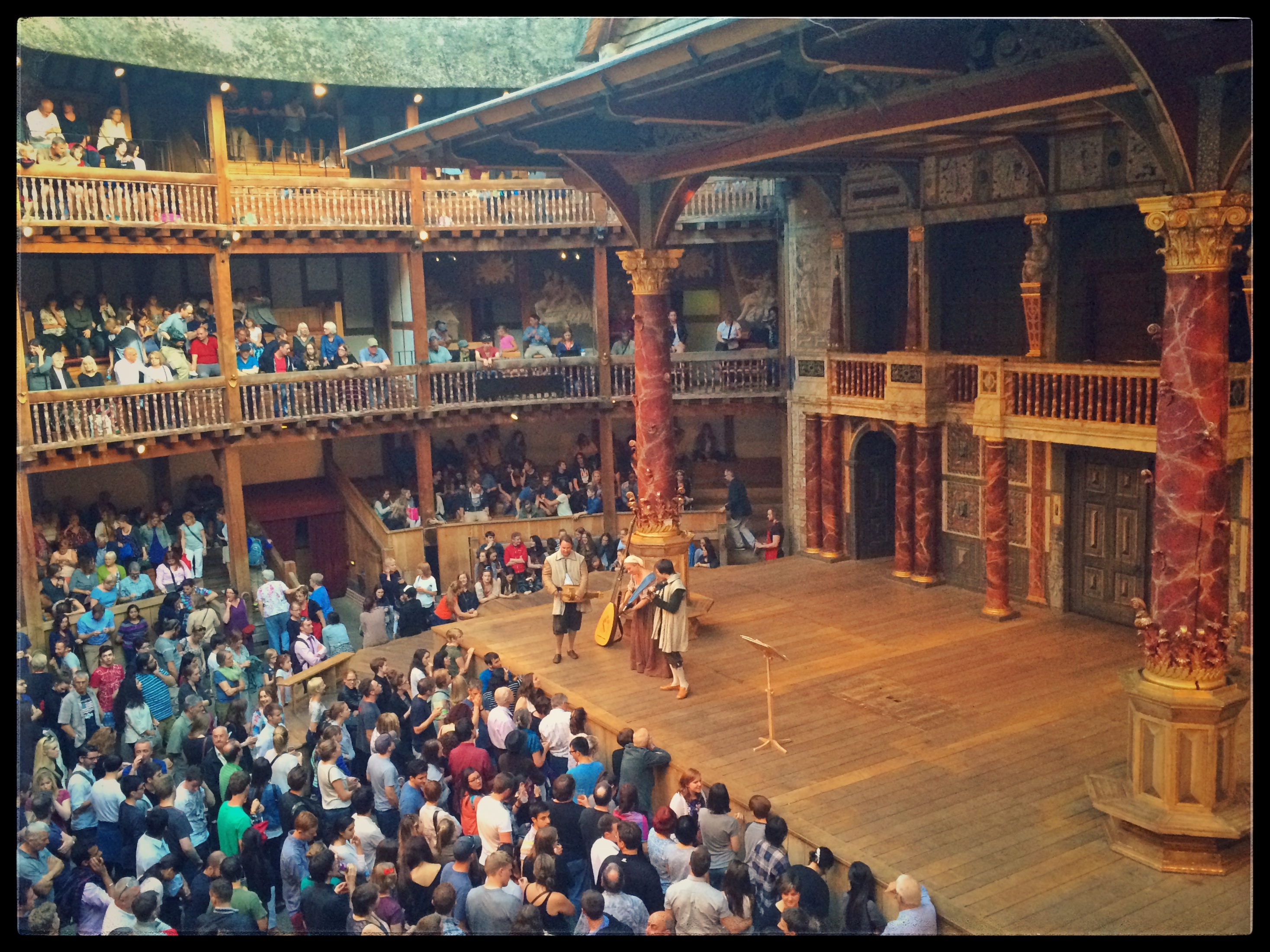
GlobeFacing up against tube strike, sitting in the cab for 1 h 15 minutes from South Kensington to Southwark, wolfing down a wonderful pre-theater dinner at the Swan in 45 minutes, and we made it to the play at the Shakespeare’s Globe. As You Like It was classy and wonderfully fresh, with Celia and Rosalind cracking the audience up, as two loons living to love and loving to live. Even the airplanes landing at Heathrow were given a part in a 17th century play.

Drinks and barbeque food were served outside and allowed in, to recreate the feel of Elizabethan times. Alluding to the same feel we asked if throwing food at the actors was allowed. It was, with the disclaimer that the actors might well throw some back. Seeing how they tormented some poor selected ones in the crowd we did not doubt the warning. Next time we will certainly bring both roses and rotten tomatoes. 

This time the choice towards roses would have been easy.

(London, United Kingdom; July 2015)


2 Comments

Wawel castle

Wawel-1How formidable Wawel castle looked like on the outside! Walls after walls, high up on a hill, as if nothing could ever get past it. And yet, when we did find a gate and wandered in, there was splendor and grandeur. It was as if each generation of rulers and architects had wanted to cram in another tower or another cupola just to leave a mark – regardless of whether the style fit or not.

But who cares about architectural pissing contests when there is Chopin’s music in the courtyard? Who cares about the battles and the intrigues, when there is a plastic (?!) piano and sweeping crystal-clear reveries floating among the pillars and porticoes?Wawel-2(Wawel castle, Krakow, Poland; July 2015)


Leave a comment

When “today” has turned into “once”

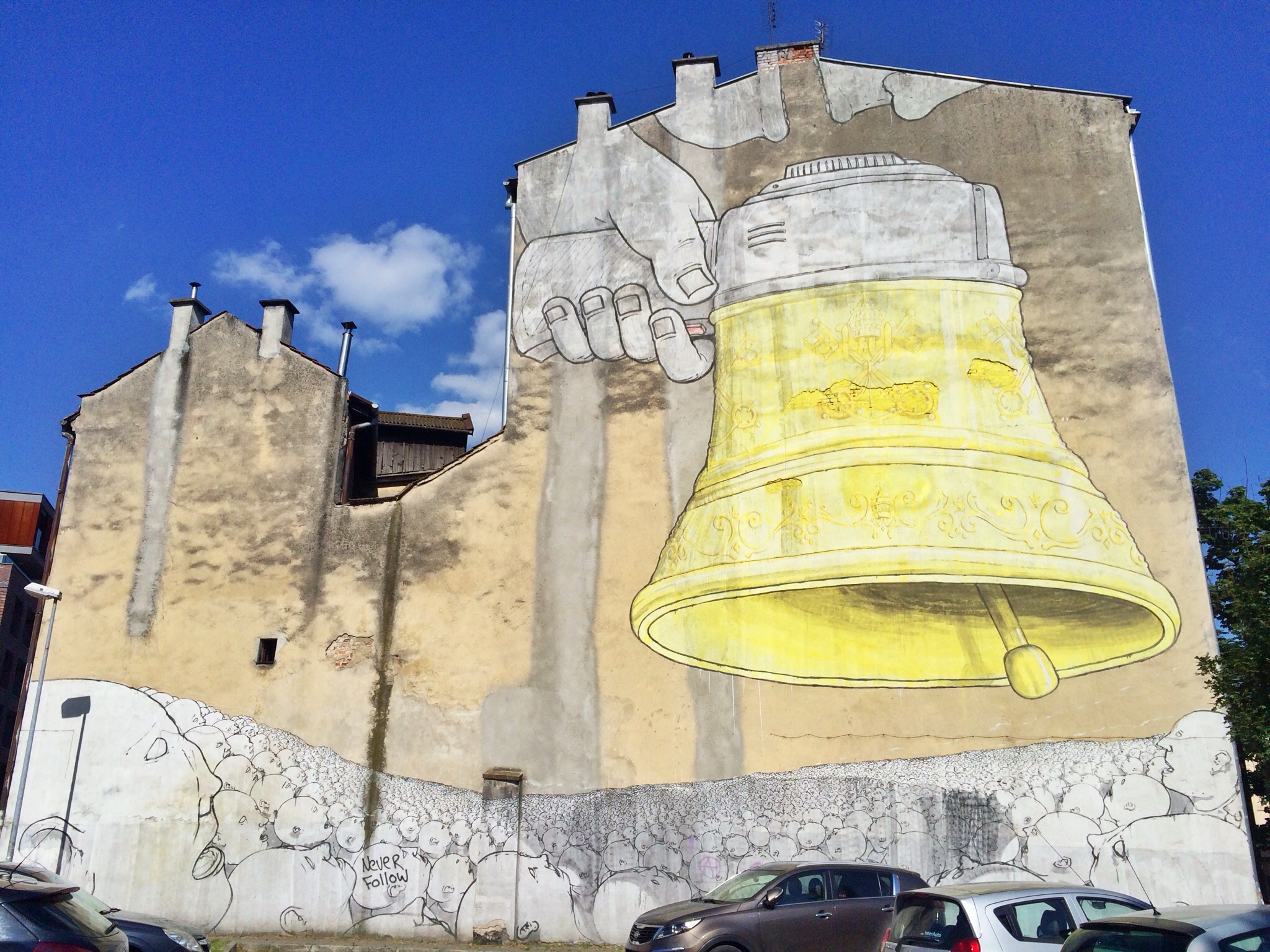
Krakow-7“Never follow”, the text says in the sea of heads (down to the left). Never give in when someone imposes their beliefs and ways over yours. Never follow a voice just because it is loud.

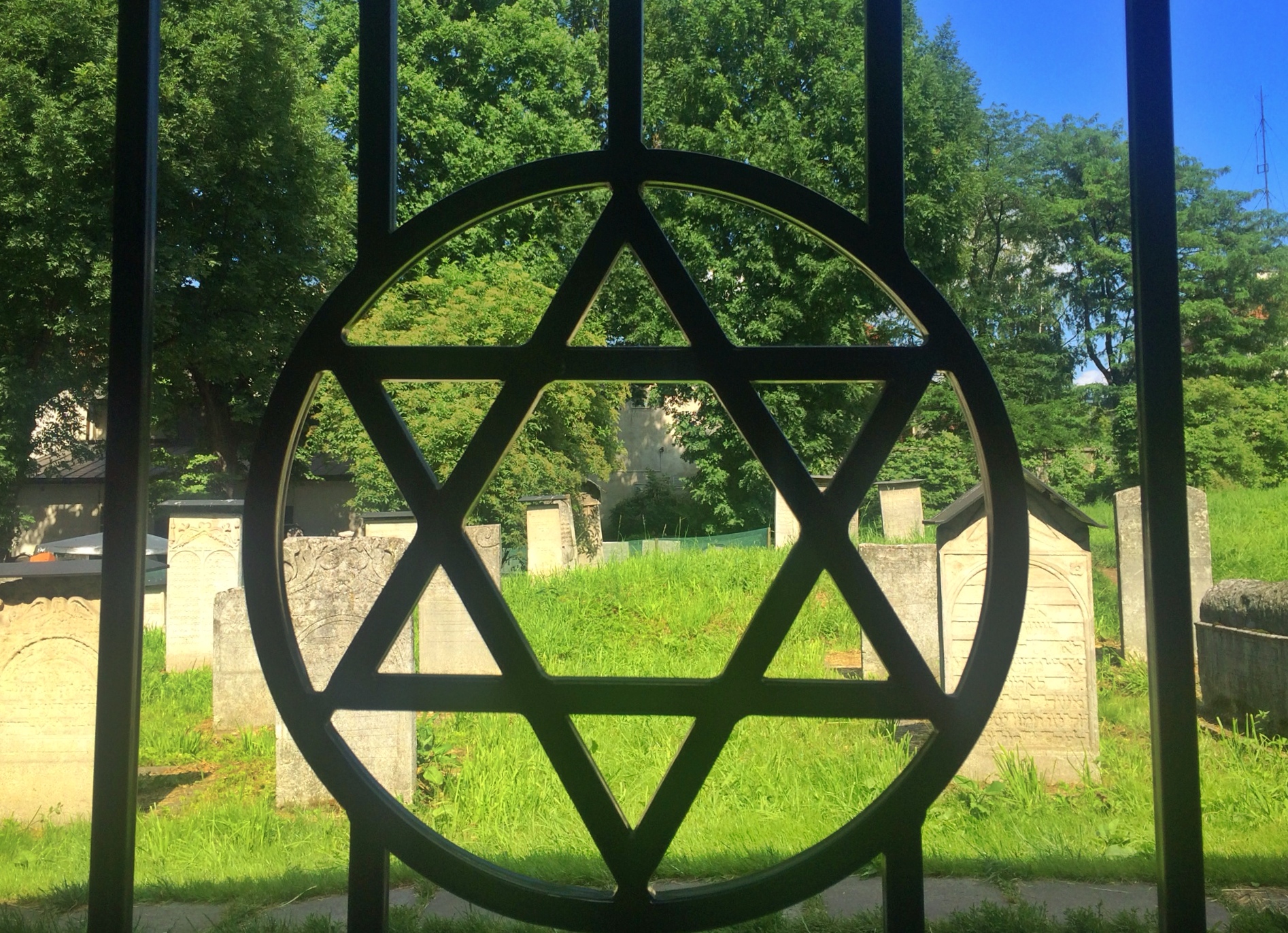
As I strolled the leafy green, sunny, quiet streets of the Kazimierz quarters, it was impossible to understand that out of 67,000 Jewish people once living there, only a few survived. Today in Kazimierz, those of Jewish faith amount to 1,000. 

But the old synagogue still stands, and so do the gravestones. The stones were briefly buried under, to protect the sacred site. On a sunny day like today it is incredible that anything else ever happened here except for birds singing and people slowly walking between the graves, sometimes leaving a scrap of paper with scribbles, or a little pebble, on a loved one’s memory place.

When “today” has turned into “once, a long time ago”, it should stay that way, too. While we still remember and hopefully have learned how to build a better future, grass has literally grown over the graves and it is a good thing, too.Kazimierz-1(Kazimierz, Krakow, Poland; July 2015)


Leave a comment

This is life

Krakow-2 After all that passed, Krakow is still splendid.  There are still gorgeous houses, a formidable castle, and beautifully dressed horses with feathers and tassels, pulling shining, white carriages.Krakow-6A lot of beautiful horses in feathers and tassels. And jazz music at the market square at night.Krakow-1After all that passed, Krakow also has a rough edge to the splendor. So many houses awaiting for their turn to be cared for, many with broken windows and holes in the walls, reminders of grenade shrapnel or gun shots. This edge is not ugliness – it is endurance and battle scars. My home town has them as well, albeit not so prominent anymore.Kazimierz-2After all that passed, people have the time to draw art on house walls again.Kazimierz-3And despite (or because?) of all that passed, people still celebrate love, by attaching padlocks to the bridge over the river Wisla.

And perhaps because of all that passed, people also celebrate separation, in the dead of night, by cutting the mesh open to remove the lock and throwing it into the river. Time will tell whether there will be more padlocks than gaping holes on the bridge.Kazimierz-4(Krakow, Poland; July 2015)


Leave a comment

Freedom is forgetting

Cannes-3Among the eucalyptus-lined paths, cypresses, cedars, and birdsong there stands a sun-tinted fortress with turquoise window panels and doors. It cannot have been a bad fate for a soldier to be positioned on the Île Ste-Marguerite, overlooking the port of Cannes.

Cannes-4Oh no, bad fate was reserved for the prisoners of Fort Royal. And one man had the fate of never seeing the sunlight, never even being identified, and always having to wear an iron mask. As I walked among the sun-kissed houses, now inhabited by youths on summer camp, I could not help but wonder what the man in the iron mask would have thought if he knew his story would become a legend. Perhaps he felt worthless in his cell. Or wronged. Or angry, until his last breath. Or simply forgotten. He would never know that books would be written about him, and movies made – however much digressing from his real story.

But perhaps he would not have cared that much. Perhaps all he would have cared for was to stand a moment under the trees overlooking the boat landing, enjoying simply watching the azure waters and the ships going by. Perhaps he would have thought that people who write books about prisoners instead of trying to capture the blue hue of the water in words have lost perspective of what really matters. That those who are entitled to freedom lose sight of the marvelous world right around them. That freedom makes us forget to live today.

Cannes-6(Île Ste-Marguerite, Cannes, France; May 2015


Leave a comment

The seemingly square abbey

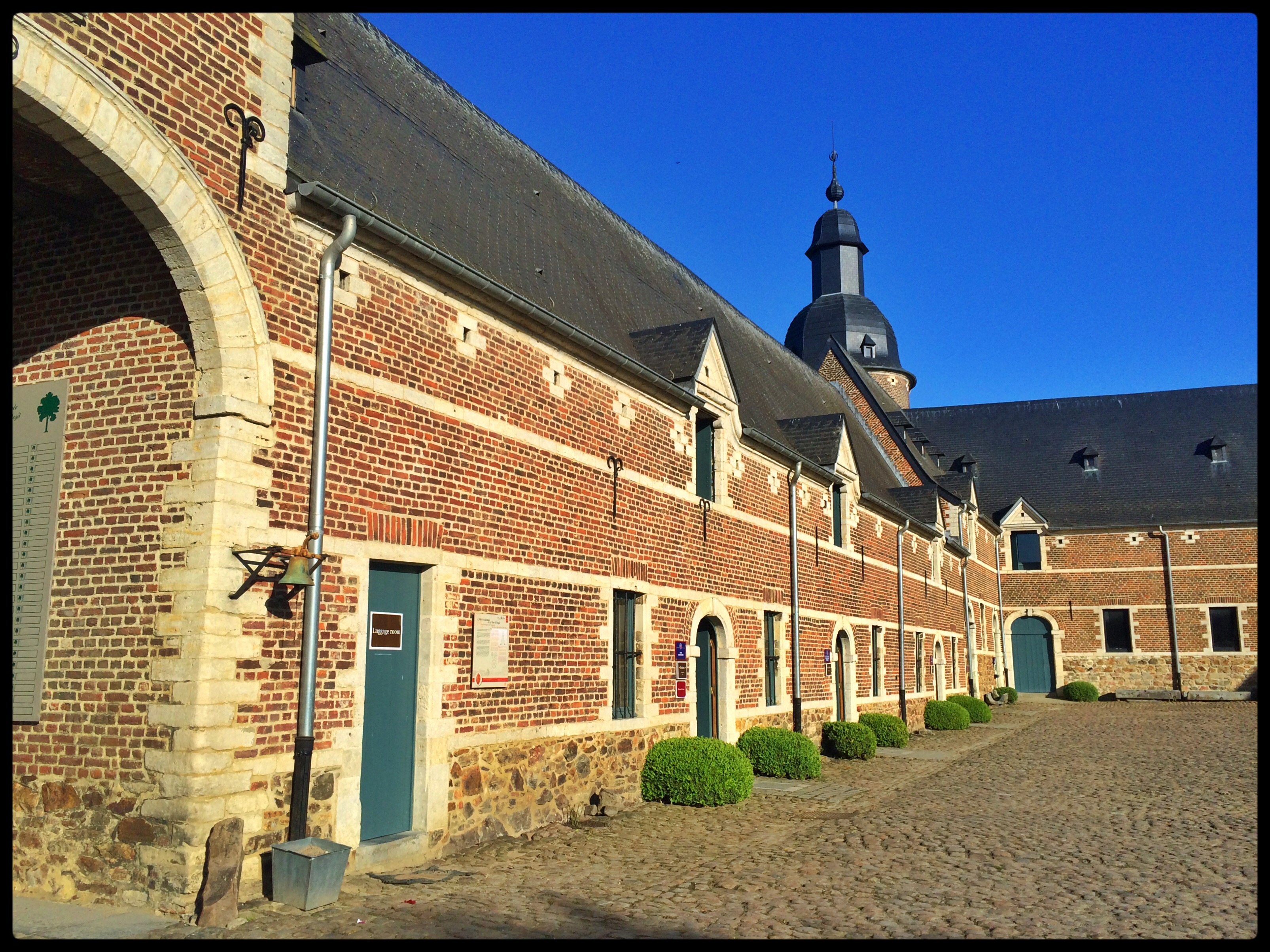
Belgiumspring-2 And suddenly, behind the trees alongside the road, was a red-brick abbey. Built by someone who had an organized mind. An abbey where horse-pulled wagons once clattered in through the vaulted gate. Where buildings and their bricks were arranged in strict geometrical lines – except for the bell tower that looked, well, strictly like a bell tower. Where there was no way to cross a quadrant except for trampling the daisies on the lawn, and where people adhered to walking along the angled pavements. Belgiumspring-3But we did dare to cross the daisy-scattered lawn and walk underneath the purple beeches, and arrived at a pond which was neither square nor circular. It was simply a pond. With black swans, no less.

Belgiumspring-4And when we dared to peek into the buildings, the scent told us a story of much less square people: those who indulge in the art of making abbey beer and cheeses. And who take the time to sit among the daisies on the lawn.

Belgiumspring-1

(L’Abbaye de la Ramée, Jodoigne, Belgium; May 2015)


Leave a comment

Jet age

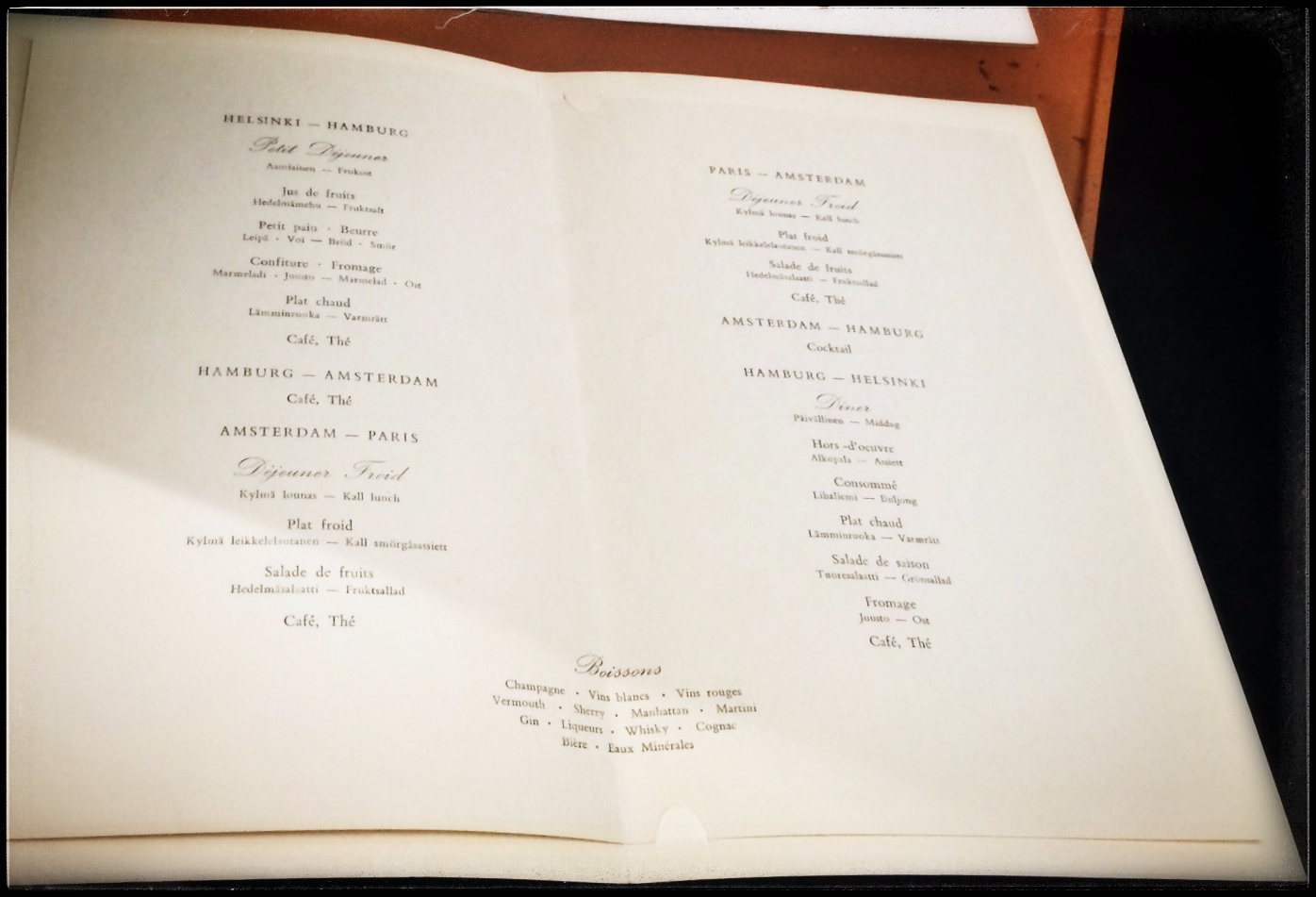
aviationmuseum-3It was the time of the future. It was the time of exploration. It was the time when the world shrank. When you could fly from Helsinki to Paris, only stopping for refueling in Hamburg and Amsterdam. And it was the time of unpressurized cabins and flying without weather radar. aviationmuseum-4It was the time of hope. It was the time of independence for women. When an airline stewardess visiting her home town was an exotic breeze from the great modern world out there. And it was the time of another female norm: when those who exceeded the limit at weigh-in were grounded. When wearing a ring and a husband’s name meant goodbye stewardess career.

aviationmuseum-1It was the time of savoring luxury. It was the time of flying stylishly in hats, suits, and dresses. When a cocktail was on the menu between Amsterdam and Hamburg. And it was the time when air stewardesses were required to wear stiletto heels that sometimes pierced through the aluminum cabin floor.

It was the Jet Age. Right before the Space Age. When our world opened up for us. Before all the trouble with oil resources and carbon dioxide emissions. When one could simply leave the things that weigh one down behind on the tarmac, lift the nose up, and hightail full throttle ahead into the skies and a new tomorrow.

aviationmuseum-2(Commercial aviation retrospective at the Avation Museum, Vantaa, Finland; April 2015)