

Jaegersborg Dyrehaven in May feels like walking in an 18th-century landscape painting: soft hills, scraggly bare trees, and broken trunks scattered across yesteryear’s grass turfs and dead leaves. But a painting is silent. And if I stop to listen, I hear a twittering robin, a screeching jay, and a hawk calling down to all of us, hovering high above in circles.
This is where I go to escape the bustle of every single other Copenhagen city park. Biking here requires a bit of effort and time, but it is all forgotten when my Finnish soul finally finds a spot without a single car, bike, unknown person, or useless chatter.
(Jaegersborg Dyrehave, Copenhagen, Denmark; April 2021)


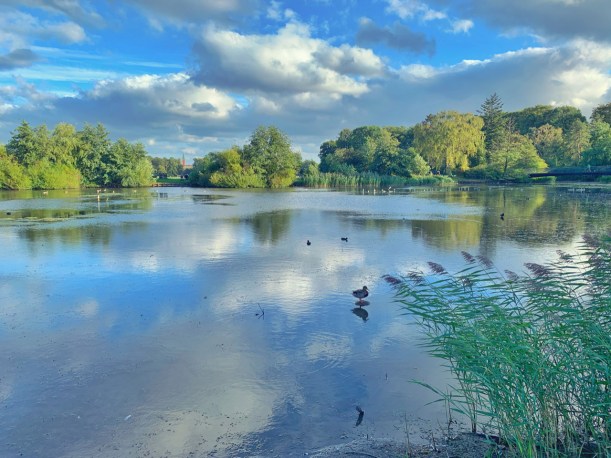


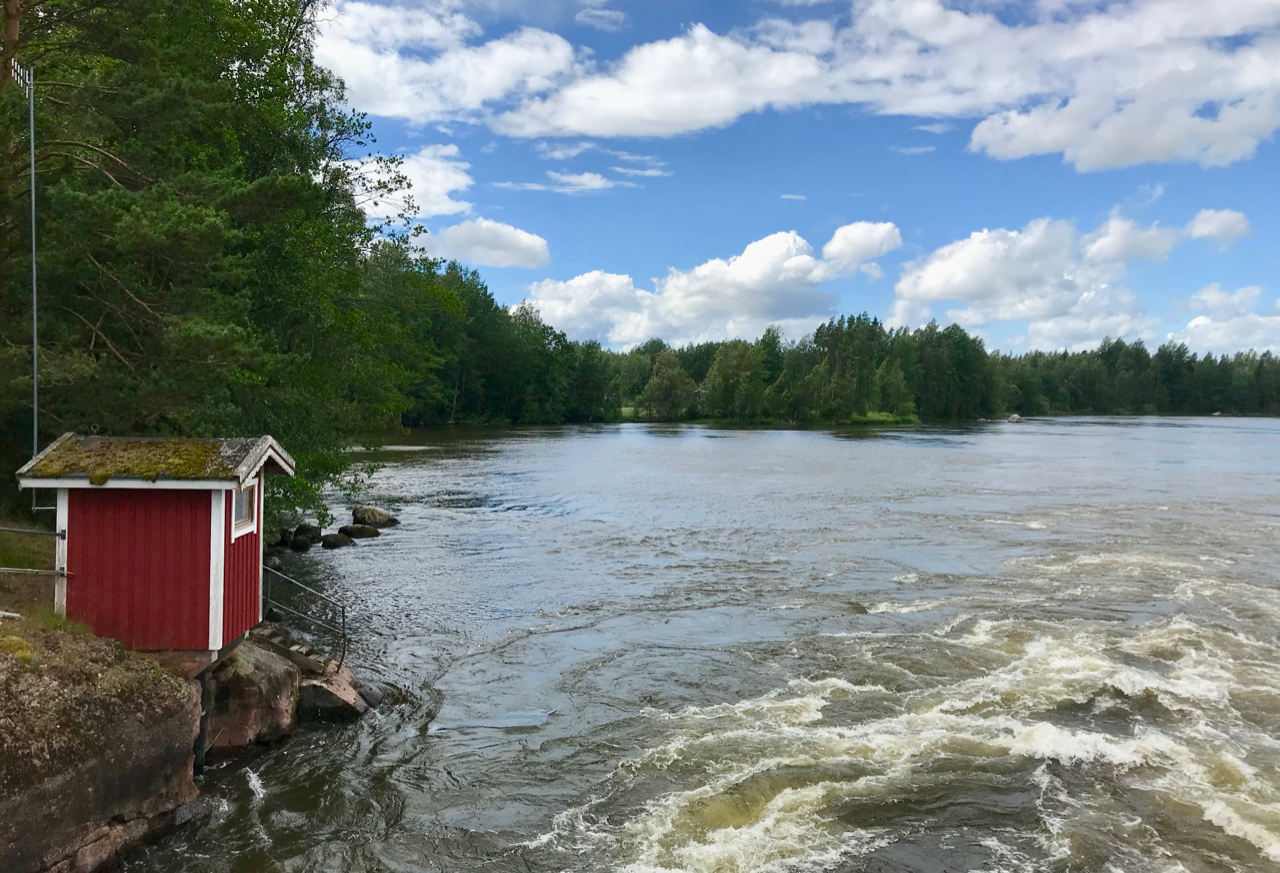
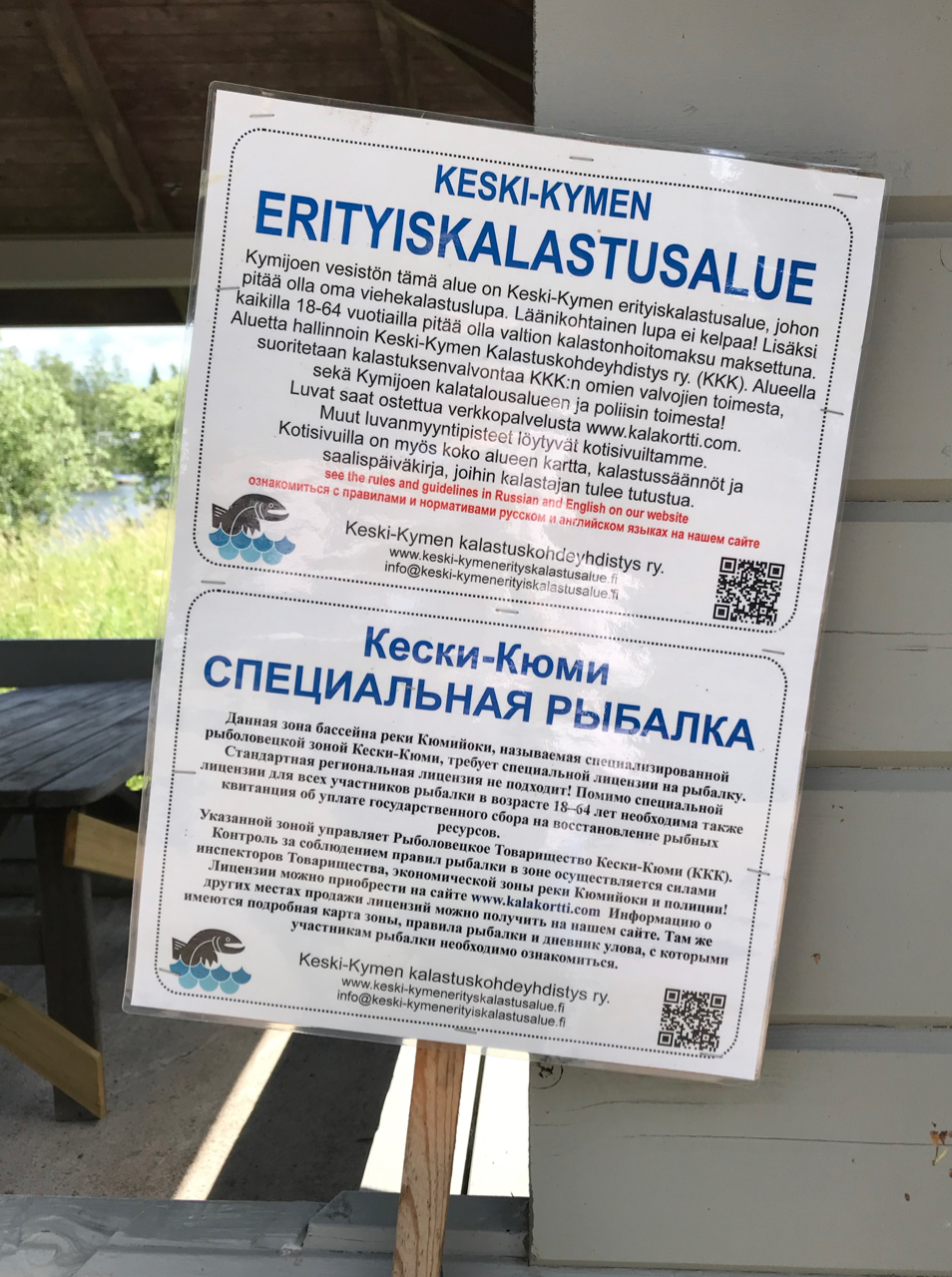
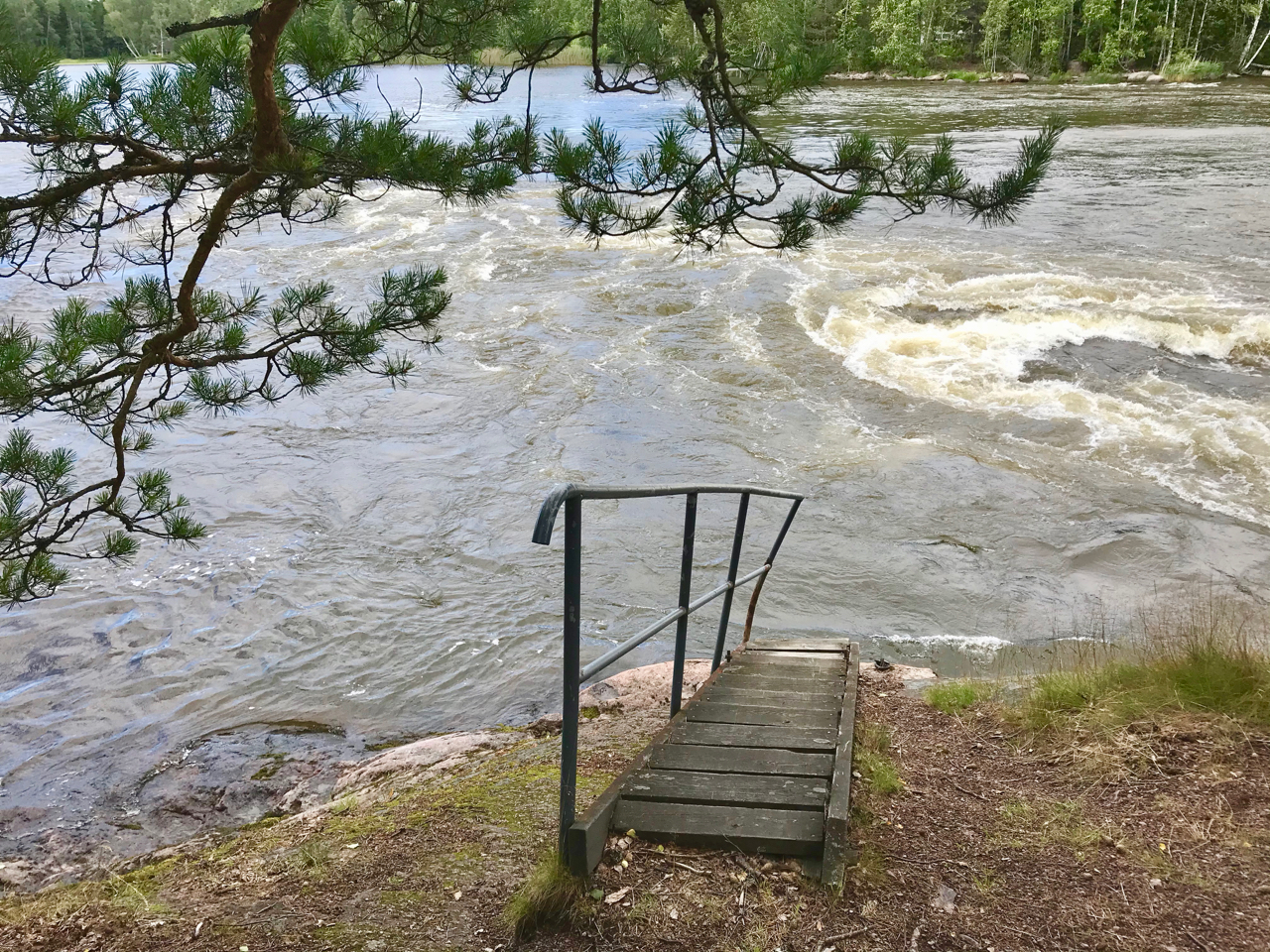
 Shinrin-yoku, or forest-bathing, every day. The Japanese prefer slow mindful sauntering instead of aerobic hiking. As a form of nature therapy, shinrin-yoku means not only crossing through a wood, but bathing in it: letting it fill one’s lungs, ears, nose, and eyes. It means not talking or listening to music, but listening to the birds, the grasshoppers, and the wind in the trees. And it means wandering off the path to caress the warm, dry bark of a tree, just because it feels like the best thing to do at the moment.
 That is why forest-bathing is best done alone. And while I like to alternate between running and walking through the forests in Loviisa, I still do it every day. And I come out from the forest feeling very centered and alive.
 (Loviisa and Kotka, Finland; June 2020)
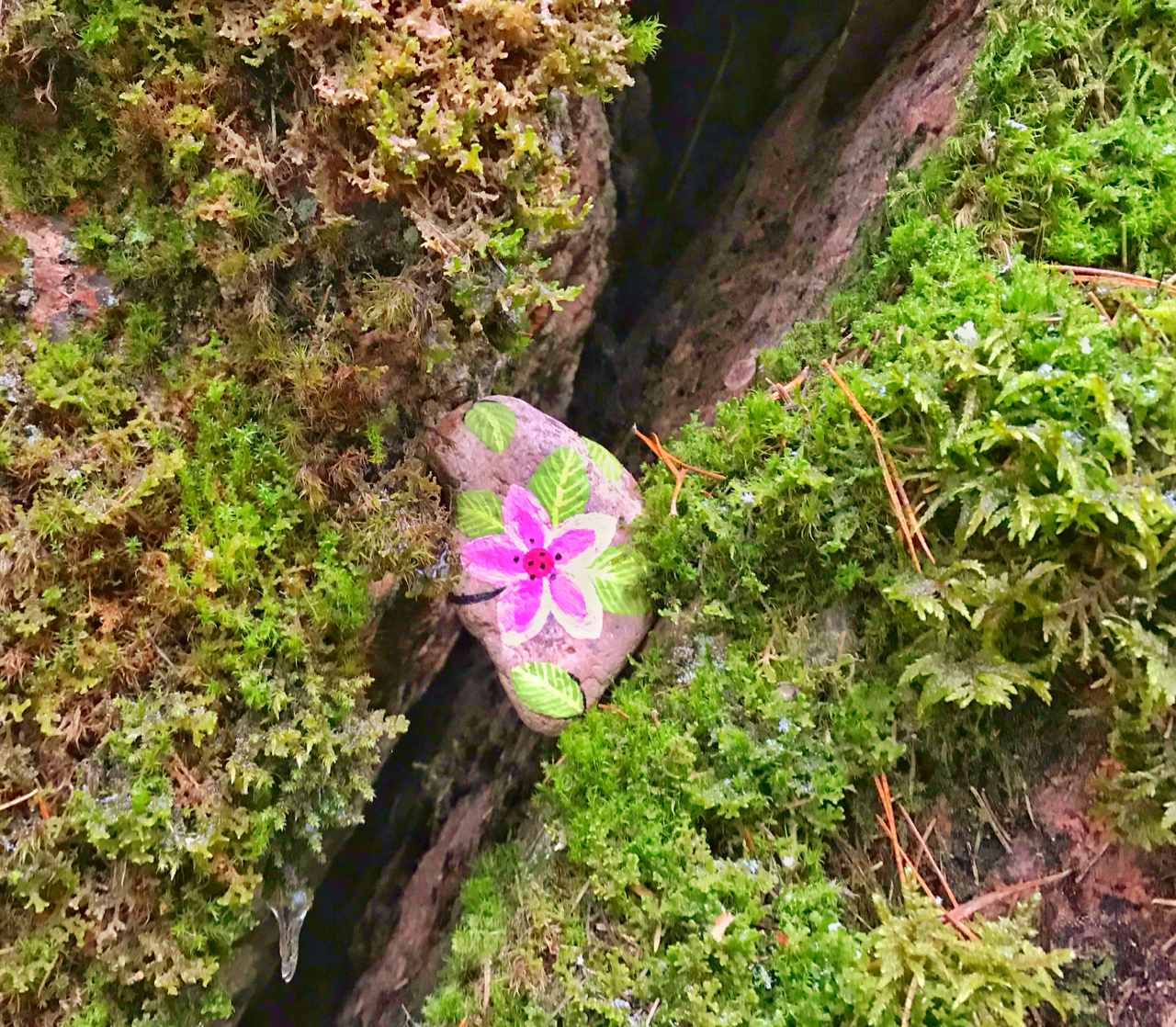 Somebody thought the huge boulders in the forest needed decorating. The green moss is gorgeous on its own, but a little pink sure does spruce up any spruce forest.
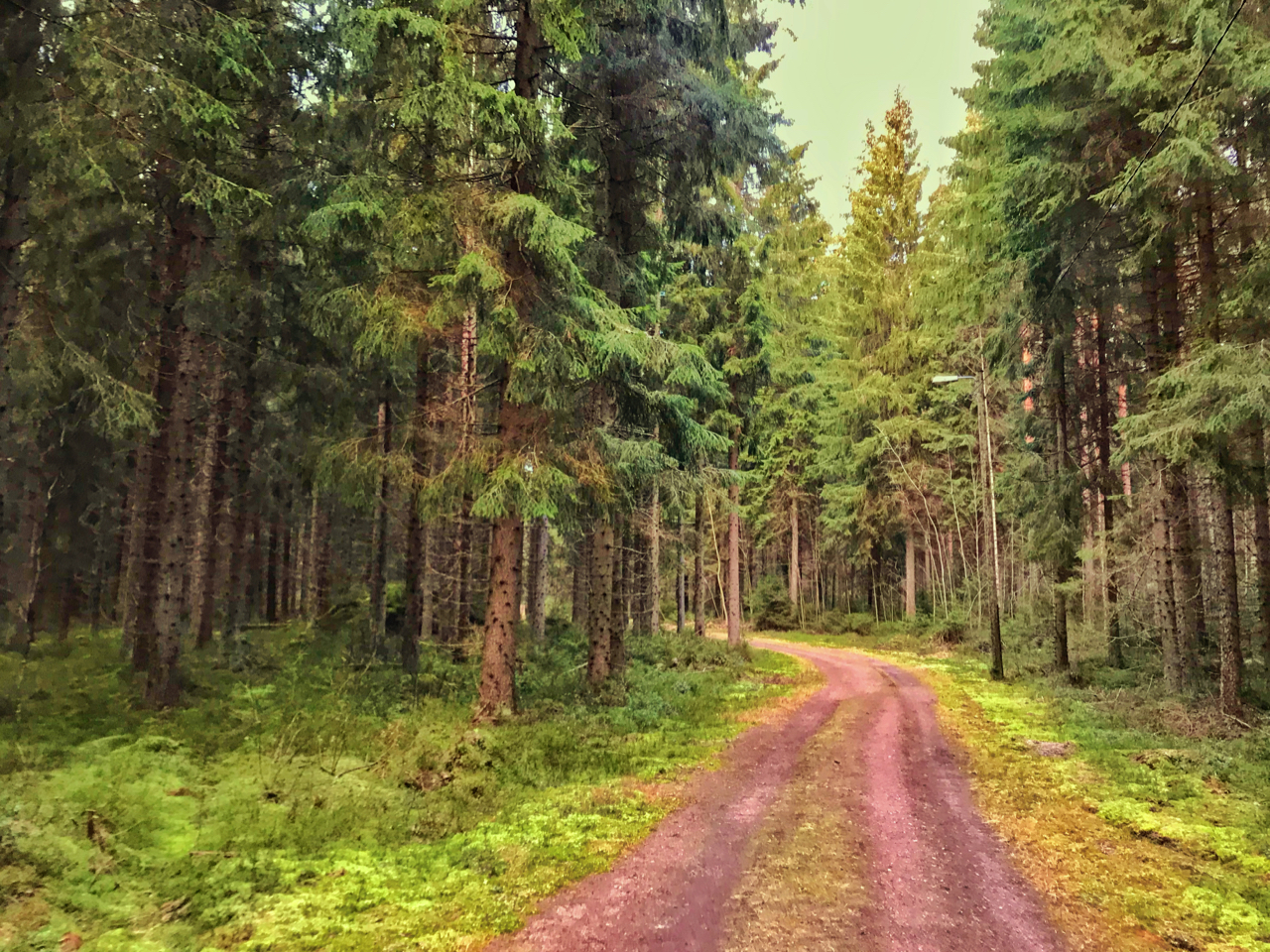 (Loviisa, Finland; December 2019)
 What’s the deal with deer parks in Denmark? Sofar I have run into deer parks in my both hometowns Brande and Vejle, as well as in Aarhus. And I know there are several around Copenhagen. The Danes sure seem to love deer.
 (Marselisborg Deer Park, Aarhus; October 2019)
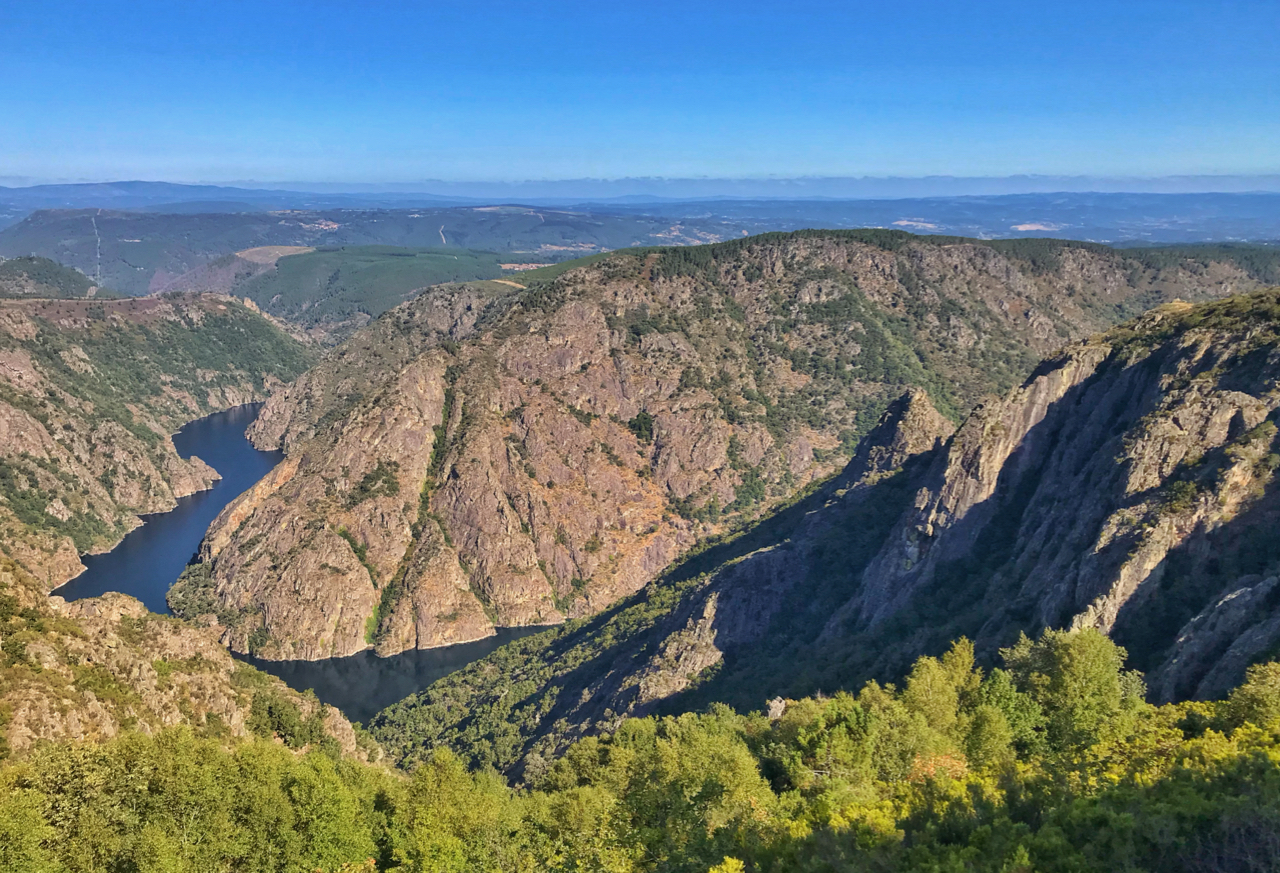 Deep in Galicia, the river Sil squiggles through a canyon with walls up to 500 meters high. Somehow the Roman settlers discovered that the steep canyon walls produced excellent wine, as long as one had the energy and perseverance to maintain the vine plants required.
  It seems that not only winemakers liked the Cañon del Sil, as there are a number of hermitage monasteries scattered along both riverbanks.
  Oaks, chestnuts, ferns, and even Galician pine make the Sil river canyon lush surroundings for hiking – as long as one can keep up with the changes in altitude.
 Along the cliff edge there is also a viewpoint curiously named Balcones de Madrid, even if one cannot see Madrid from it. With a little help from Google I pulled up stories about women choosing the viewpoint to see off their trader husbands traveling to Madrid: they had to climb down the canyon on one side, cross the river by boat, and climb up on the other side. Although whether it were the women or the men who built the laid rock walls still remains a mystery to me.
 (Galicia, Spain; September 2019)
 This blue marble