
 For nearly a year these perfect picnic spots have been mine to explore while traipsing around the backs of my little home town. There never was a picnic, though, and I never saw anyone else on a picnic, either. Perhaps because of the shockingly high number of ticks in any grass around here: if I just sit in it for a while I can count the black dots crawling my legs.
And yet this lovely place never felt like home. I know nearly no-one outside of home, save for the taxi driver who takes me to the airport and back. And perhaps my next-door neighbors, although I never exchanged more than polite greetings with them. It is a difficult life for a natural extravert to have to leave the country (or take the train to its other coast) to be able to go to work or to meet with friends. And it has been a trying year overall. Somehow I find myself still here, now also with a Danish employment contract.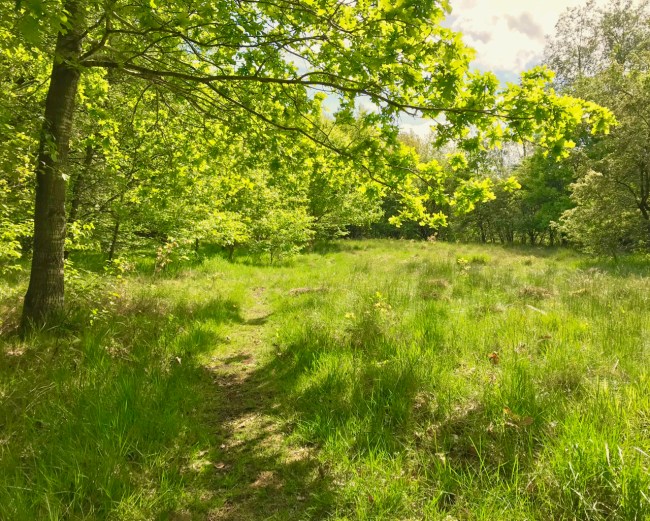 The boxes have been nearly packed and in a week’s time it is time to open the door in a new apartment in a proper town. Hopefully it is also time to open the door to new friends and hobbies nearby.
 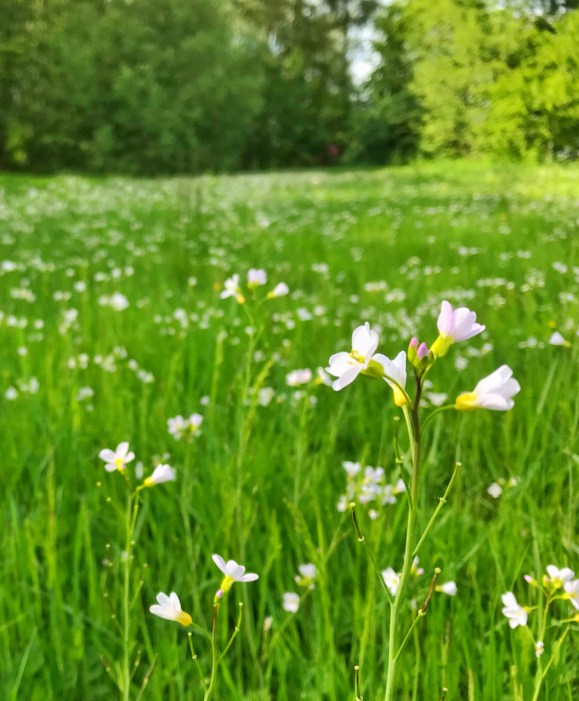 (Brande, Denmark; June 2019)
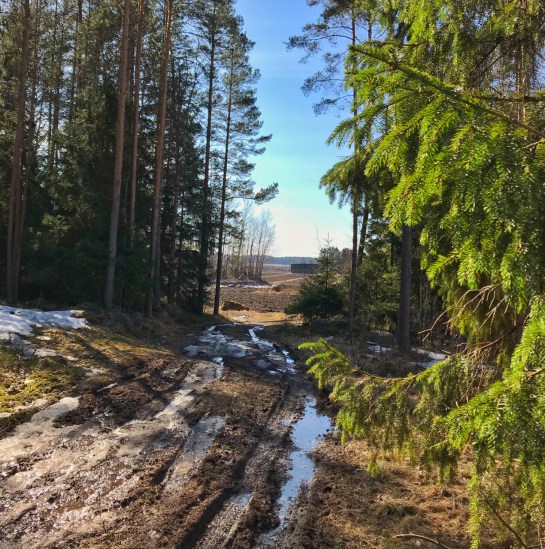
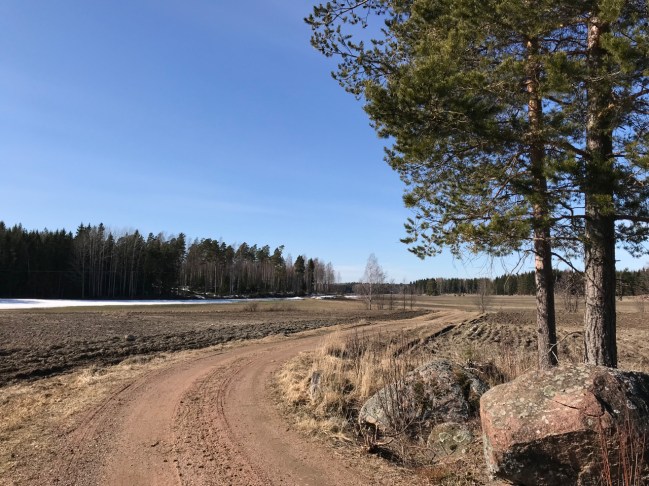 (Loviisa, Finland; April 2019)
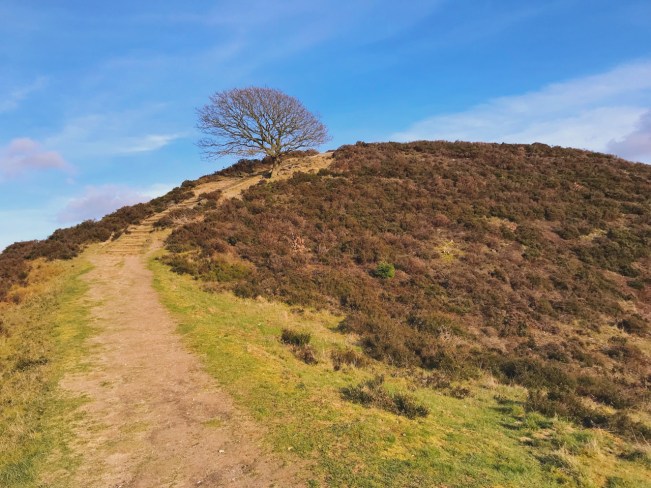 There are hills in Denmark. Really. It is not all flat. Only, the hills are hiding here on Jutland, far away from Copenhagen and Odense and where most visitors go.
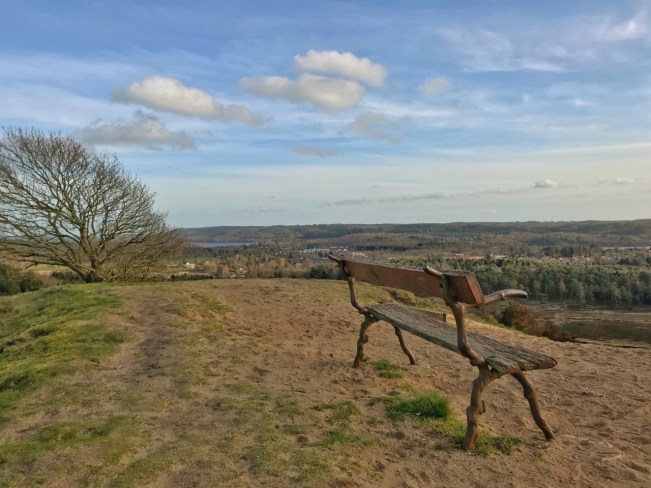 (Silkeborg, Denmark; March 2019)
 This little town has many great picnic spots. I cannot wait for warmer weather and lazy days on the grass with a good book, or in good company. The Danes do not seem to enjoy the great outdoors much, unless they are into mountain biking or have a dog that needs to attend to its business. Most evenings the gravel and forest trails are empty, save for those few dog walkers, and me and about three other runners. On Sundays the busiest time is before 2 pm, when families go for a leisurely stroll (even without dogs). And what is nearly unthinkable here in the dark Nordic winter: all gravel walks and trails are without artificial lighting, so enjoying the outdoors after dark is quite unpleasant.
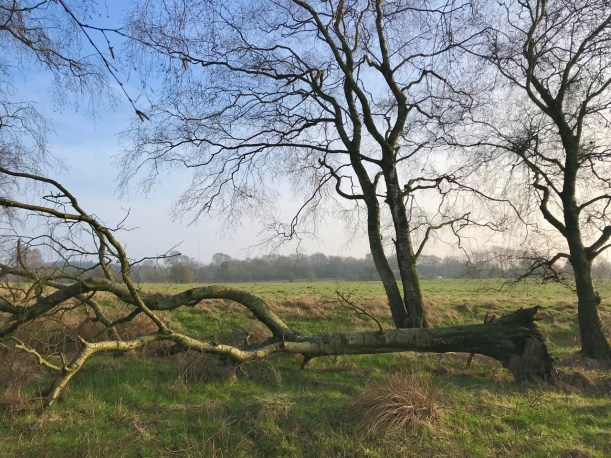 (Brande, Denmark; February 2019)
 No, this is not late August last year. It is February this year. There were two swans in the pond, just like there should be in spring, when everything is wonderful.
 (Brande, Denmark; February 2019)
 Spring arrived too early. So early, that the first leaves faced mid-February night frosts and the finches and flycatchers had to desperately look for food: for those brave winter-bearing insects staggering out of their hiding places into the warm sunlight of a few noon-hours of the day.
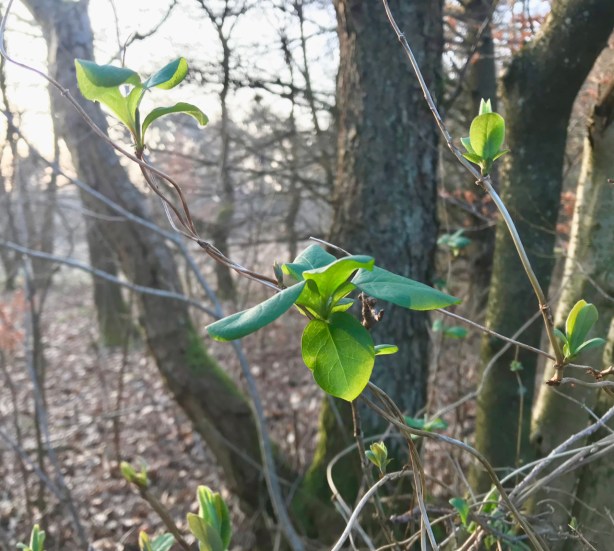 (Brande, Denmark; February 2019)
 The moor looks dramatic in winter, and it is not a landscape I feel at home in. I am used to sea, lakes, and thickets where you need violence or a machete to stumble through – not these open windswept landscapes with heather and farm animals.
 (Silkeborg, Denmark; February 2019)
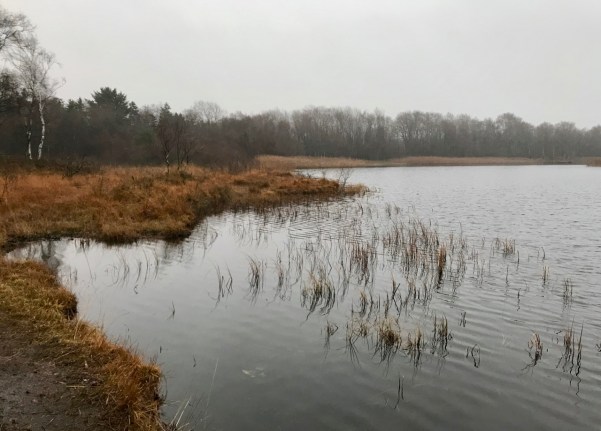 My favorite spot and
  (Brande, Denmark; December 2018)
 The more time I spend here in Denmark, the more I am struck by how it is not really much like the rest of the Nordics. Instead of fells or mountains, Denmark is (nearly) flat. Copenhagen, with its bicycles, canals, cobblestone streets, beer, waffles, and rain reminds me of the Netherlands. So do the roads and many smaller towns, as well as how houses are built. The forest is nothing like Nordic, impenetrable, shrubby spruce or dry, lichen-covered pine. Instead there are airy beech forests like in central Europe, with dead leaves rattling under one’s shoes; and pine and spruce plantations where trees live in rows or are, at the very least, standing far apart with a clean, green moss floor in-between.
 What is Nordic about Denmark is the language. And perhaps the setup of the social-democrat welfare society. Income tax is among the highest in the world, but schools, healthcare, libraries, child care, elderly care, you name it – are nearly or completely free of charge.
 (Silkeborg, Denmark; November 2018)
 This blue marble