
 Bags of rice. Cooking gas. Plywood. Entire doors. And toilet paper and chocolate for the tourists. In the mountains, everything must be carried up. Some towns are fortunate enough to receive regular helicopter traffic, but most are simply grateful to the sherpas.
As we stood on the airport, watching a little prop plane unload, it was quite mind-boggling to see that after the avalanche of people and backpacks down from the tiny aircraft, another avalanche of rice bags followed. That thing must have had rice bags in the cockpit, in the rear cargo hold, even underneath the passenger seats.  Everything must be carried up. And, since most tea houses are proud to boast advertising for export beer (San Miguel is a favorite), all the beer cans must be carried up, too. Fortunately, bottled water for tourists is actually bottled in local village sources, so only the empty plastic must be carried up.
  If I ever settled on a life change to live up here, I would open a business in carrying up toilet paper and chocolate. One toilet paper roll costs more than a bottle of water, and the price increases the further you go from Lukla towards Everest. Chocolate is incredibly expensive, but of course it is easily traded because who can resist a bar of chocolate after a day’s trekking? I know I can’t.
 (Mt Everest Base Camp Trail, Nepal; November 2016)
 Beautiful, painted stone carvings. “Om mani padme hum”, over and over, for those who can read the script. Mani stones are scattered along popular travel routes in the mountains near the Tibetan border. Near mani stones one can often find a Tibetan Buddhist monastery, as it is the sadhana (devotional practice) of monks to carve and paint them.
 Circling clockwise around the mani stones and prayer wheel rooms, I could imagine worse ways to spend my life than up here, in the clear, quiet air, on the roof of the world, meditating while creating things of beauty. Back home the trend is KonMari, downshifting, and general minimalism. Up here minimalism is a given, and the aim is for the next level: to spend one’s life creating a beautiful mind through creating a more beautiful world.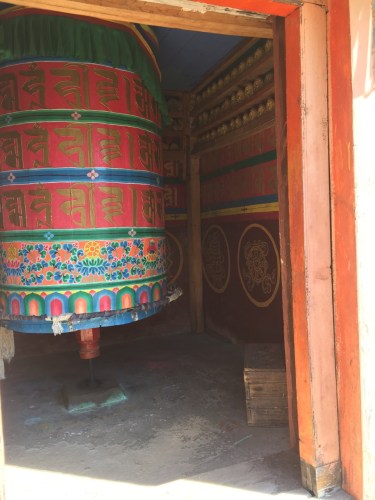
 Tea houses, souvenir shops, cows, chicken, colorfully dressed people, even an Irish pub. If you are looking for undiscovered Nepal, do not consider the Everest Base Camp trail. Hundreds of people discover it each day before you do.
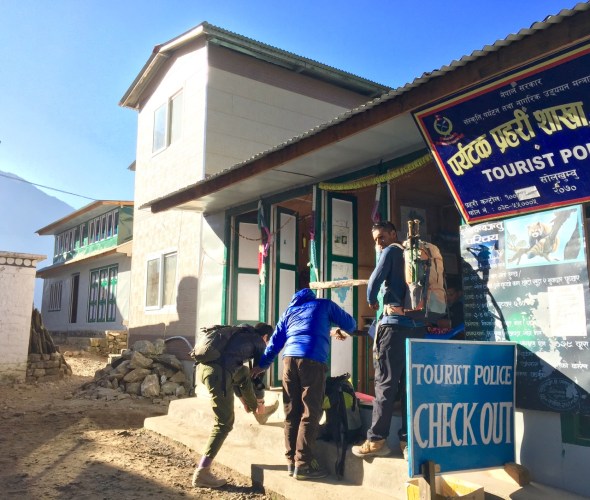
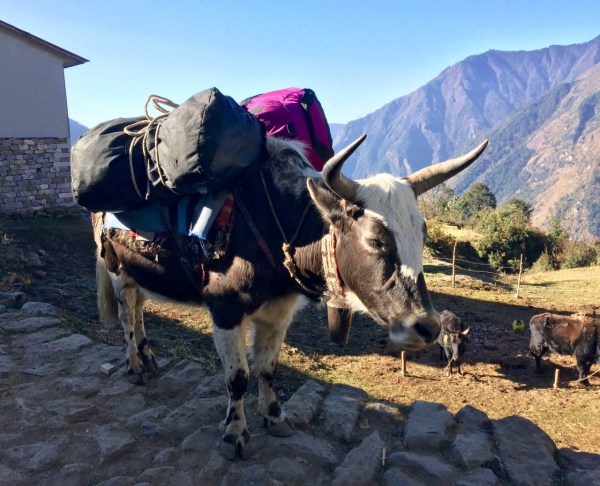 Tourist is as tourist does. Hence, all tourists must report to the Tourist Police at checkpoints along the way. With a photo. Surprisingly, Nepal insists of being aware of who is where, in case of a mudslide or an earthquake.
 The thermometer climbed to 17 degrees centigrade during the day, and dropped down to -2 degrees at night. Later it would turn out we caught the last week of beautiful fall weather.
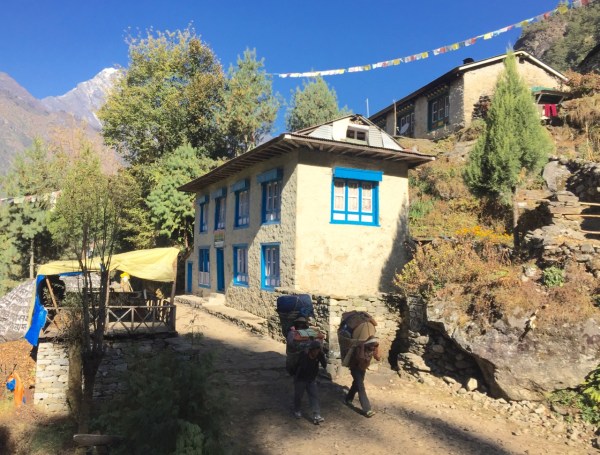 And upward we went, after the oxen and the sherpas and the rest of the trekkers. Towards the snowy mountains and the blue, thinning mountain air.
 (Lukla, Nepal; November 2016)
 “We cannot leave Nepal for the last time without seeing Everest”, I recall my colleagues stating. Our social business startup was doing great and it was time to let it fly unassisted. This visit was to be the last one for the project. And no, we could not leave Nepal without seeing Mount Everest.
 (Lukla airport, Nepal; November 2016)
 Langkawi. What a touristy-sounding destination. Never was on my travel bucket list. But somehow I ended up there anyway – and instead of my cliché come true, I was whisked away into the middle of a 10 million-year-old rainforest and by a large reef, on a wonderful private beach. The Andaman Resort makes an effort to educate visitors about the jungle, the ocean, and the reef. It claims to run a sustainable, green policy, which seems reasonable giving-back, in return of being allowed to run a resort in the middle of a nature conservation area.

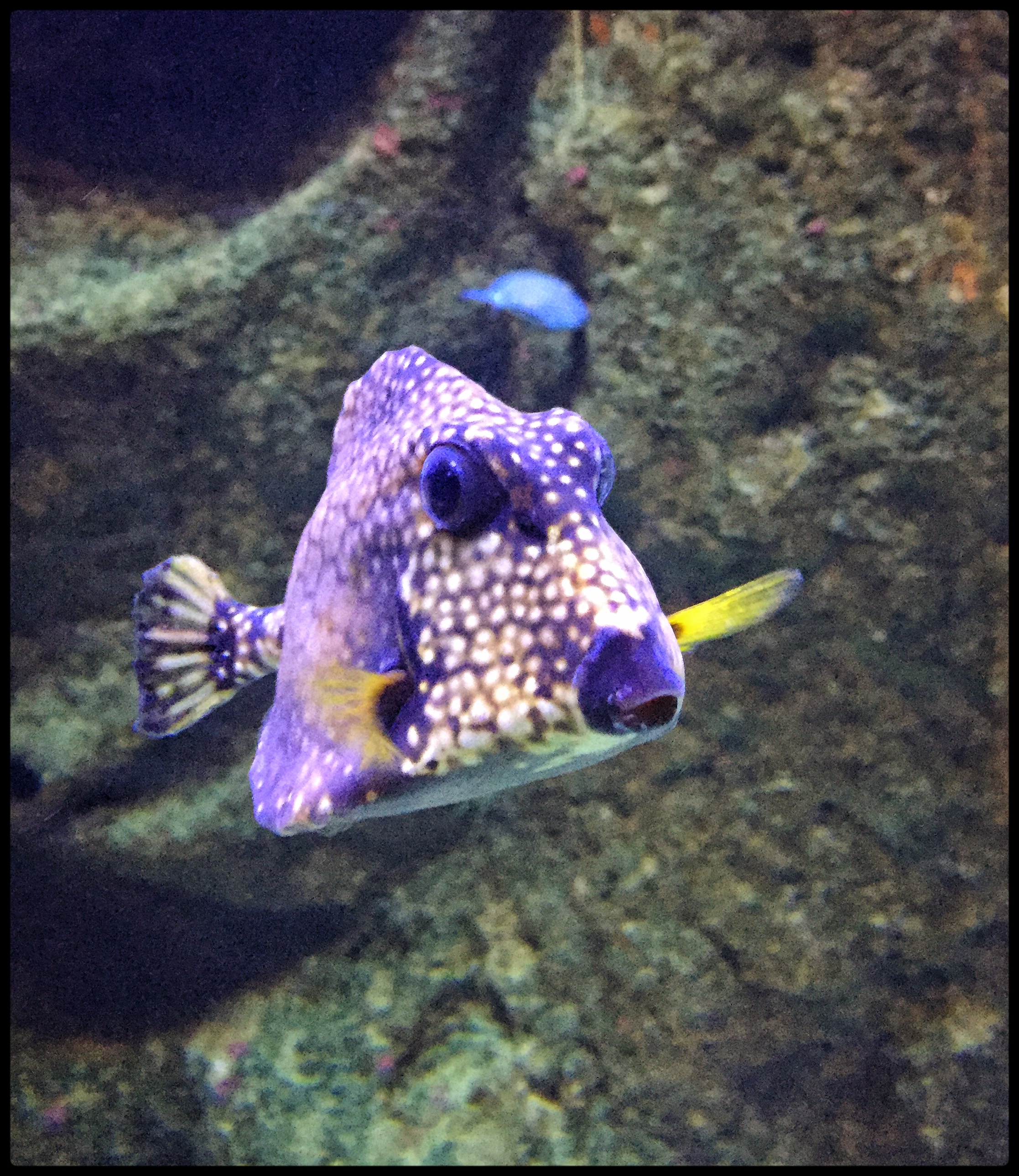
 The aquarium of Biarritz is one of the grand, old aquariums in Europe, originating in the 1880s. Since 1933 it has moved to a fabulous, art deco building that on the outside looks like it grew from the bedrock, and on the inside feels like you are part of a never-ending maze in the ground.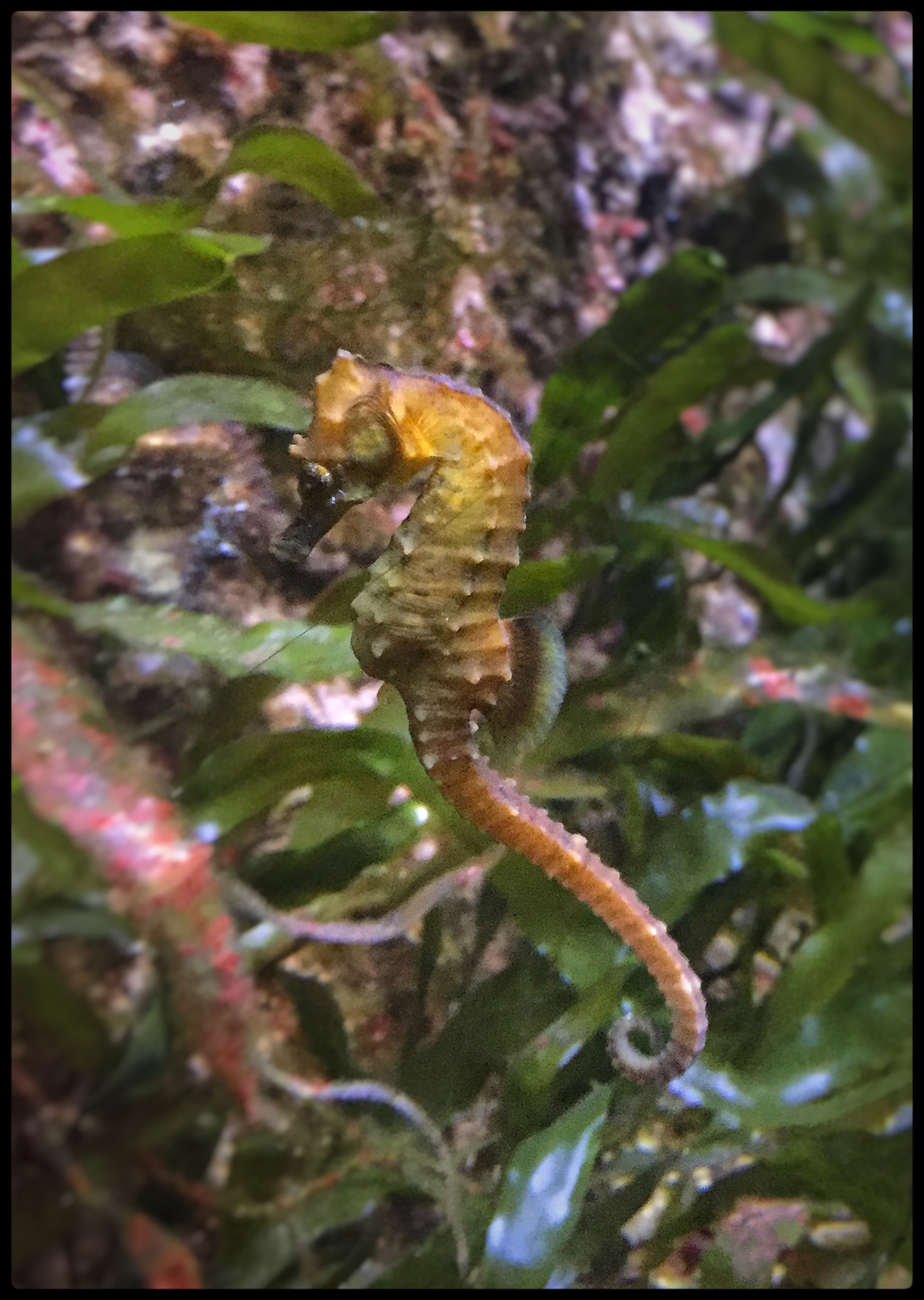


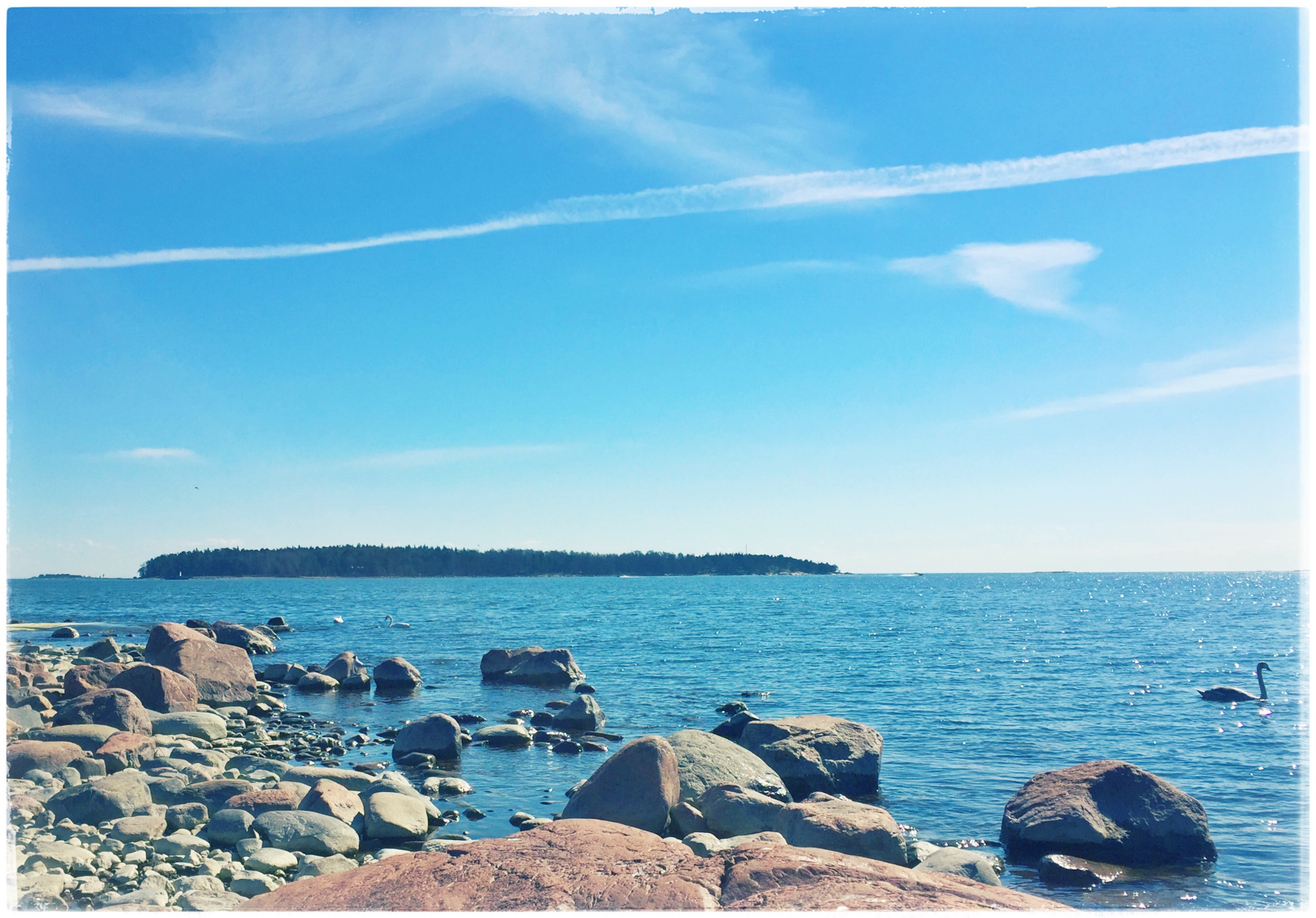

 (Loviisa, Finland; March 2016)
 This blue marble