This blue marble

– and yet it spins


Leave a comment

About cherry blossoms and the brevity of it all

Hanami

If there were no cherry blossoms in the world
My mind would be peaceful

(Fujiwara Norihira)

When cherries bloom, the Japanese celebrate the beauty and fleeting nature of life. Not life as a continued existence, or life as an eternal soul. But life as that short moment of seven days where a cherry blossom opens, blooms, and drops its petals to the ground like snowfall. Life that, after blooming, has yielded a fruit and another life.

We Westerners mostly celebrate life without including its end, whatever it may be. Death, or transit to rebirth, is always a separate subject for attention. Standing under the pink cherry blossom boughs I wondered how it would feel to celebrate life, including the brevity of life as we know it. And yet, most of the sakura poetry I have stumbled upon is concerned with that brief moment when a cherry blossom petal falls to the ground. Life is uncertain, and the petal knows no more of its destiny than do we humans of our own fates.

A fallen blossom
Returning to the bough, I thought –
But no, a butterfly

(Arakida Moritake)

(Hanami festival, Helsinki, Finland; May 2015)

Leave a comment

Charming Bergen

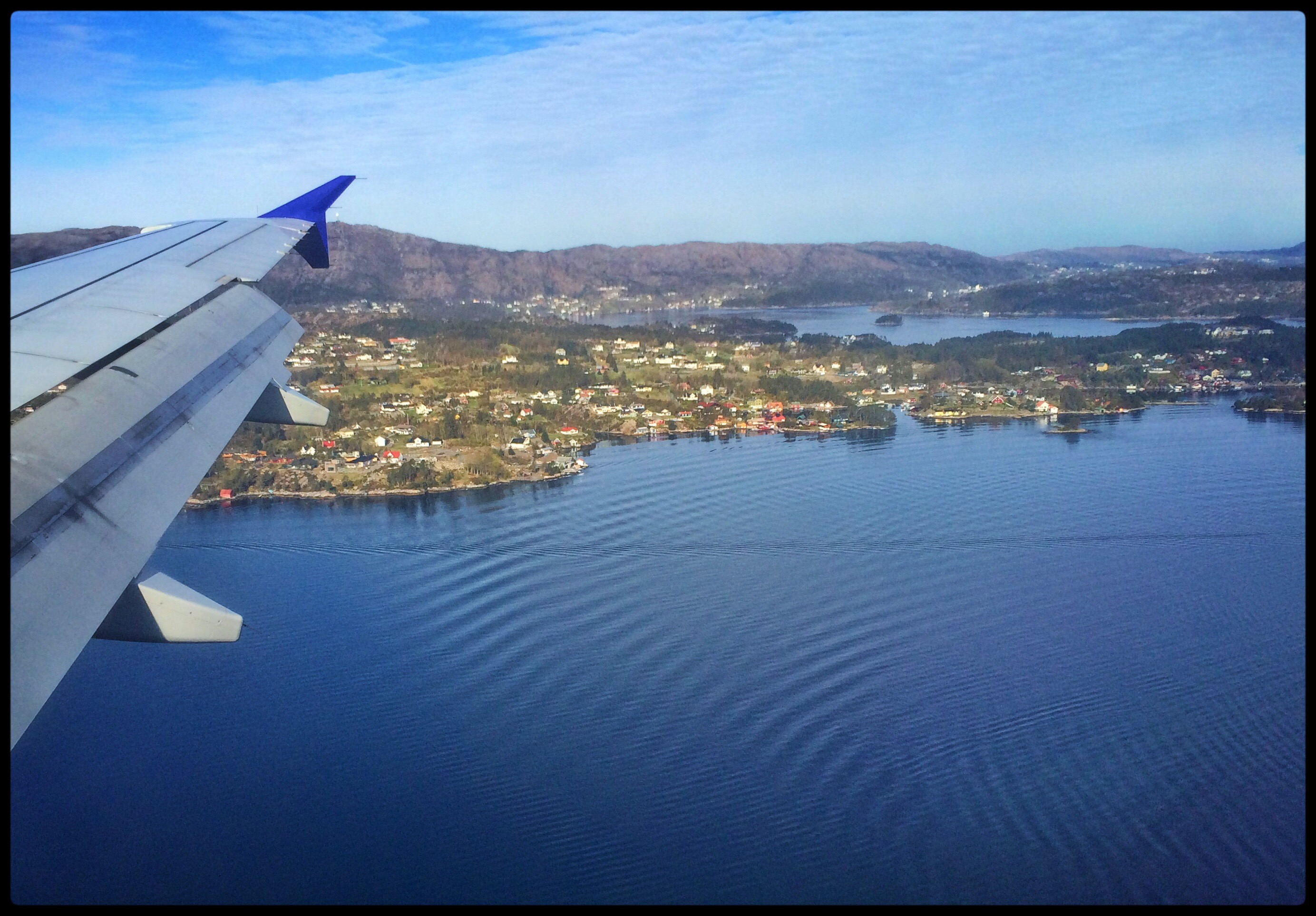
Dear charming Bergen! Ensconced between islands and cold salt water, there is something about the light that fascinates me. Perhaps it is the steep mountainsides littered with houses, basking in warm sunset light even at high noon. Perhaps it is the heavy color and shadows, like a constant rain cloud hanging just around the corner.

Or perhaps it is the deep forests and deep blue water that cast a glow of wilderness over a stylish little town. Who knows? But I am happy to be back, if only for a day.

(Bergen, Norway; May 2015)


Leave a comment

Anywhere in Scandinavia

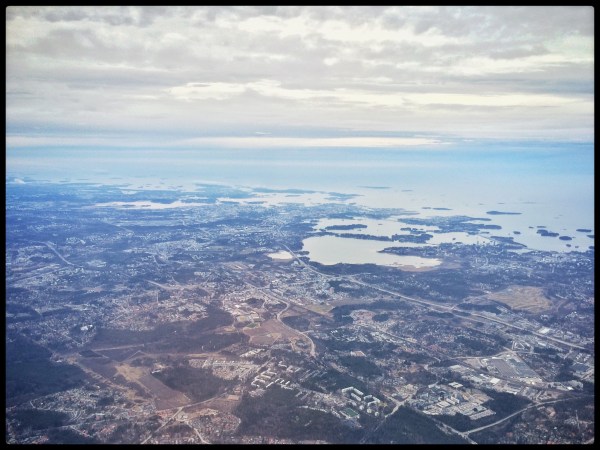
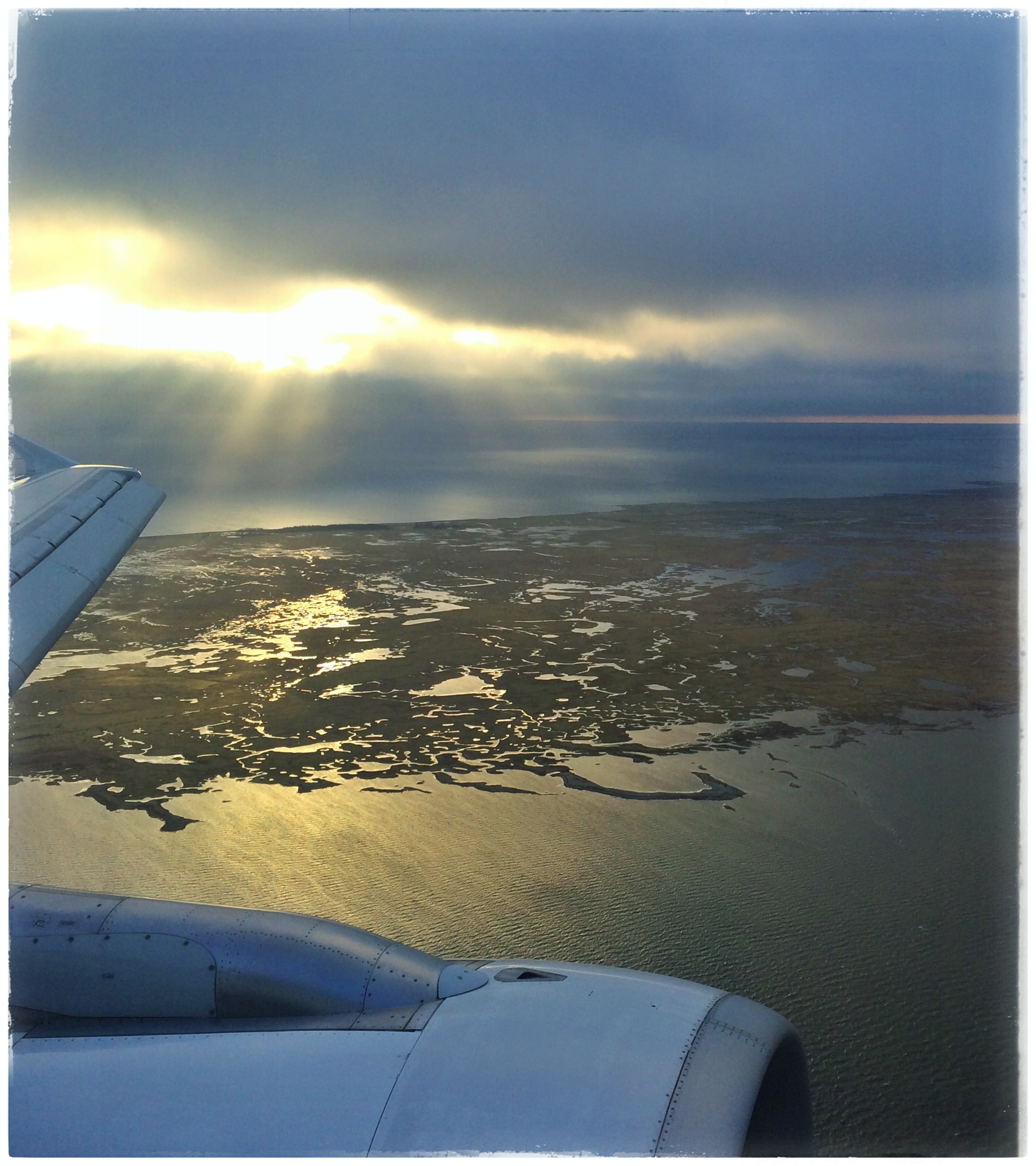
forestplaneGood morning, endless spruce forests just outside of the capital region. Good morning, endless islands stretching into the sea like somebody spilled a bag of breadcrumbs on the water. Good morning, any Scandinavian country – you all look the same. Except for maybe Denmark which lost its trees because of the farmers.

Today it is good morning, Stockholm.

(Stockholm, Sweden; April 2015)


Leave a comment

Jet age

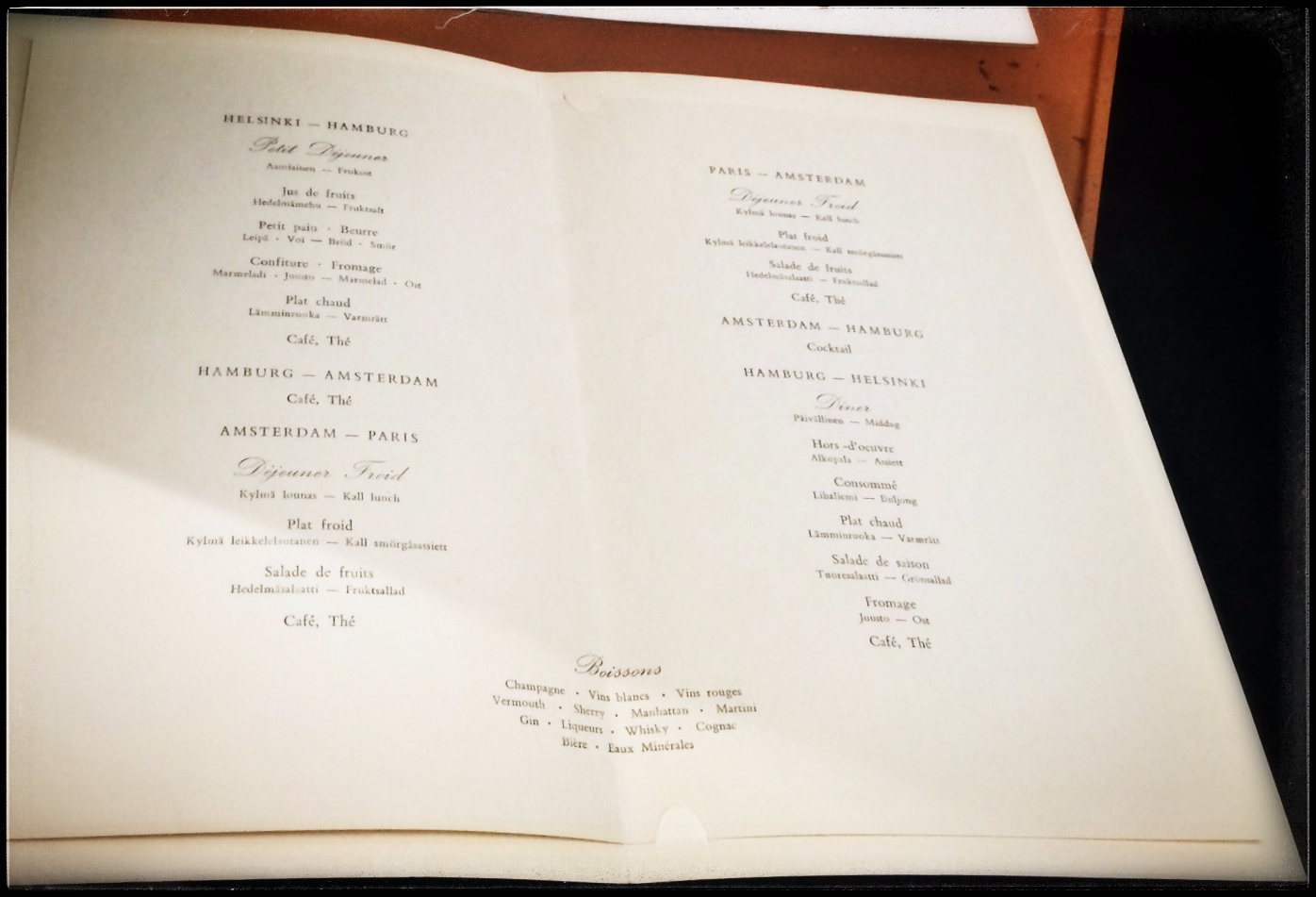
aviationmuseum-3It was the time of the future. It was the time of exploration. It was the time when the world shrank. When you could fly from Helsinki to Paris, only stopping for refueling in Hamburg and Amsterdam. And it was the time of unpressurized cabins and flying without weather radar. aviationmuseum-4It was the time of hope. It was the time of independence for women. When an airline stewardess visiting her home town was an exotic breeze from the great modern world out there. And it was the time of another female norm: when those who exceeded the limit at weigh-in were grounded. When wearing a ring and a husband’s name meant goodbye stewardess career.

aviationmuseum-1It was the time of savoring luxury. It was the time of flying stylishly in hats, suits, and dresses. When a cocktail was on the menu between Amsterdam and Hamburg. And it was the time when air stewardesses were required to wear stiletto heels that sometimes pierced through the aluminum cabin floor.

It was the Jet Age. Right before the Space Age. When our world opened up for us. Before all the trouble with oil resources and carbon dioxide emissions. When one could simply leave the things that weigh one down behind on the tarmac, lift the nose up, and hightail full throttle ahead into the skies and a new tomorrow.

aviationmuseum-2(Commercial aviation retrospective at the Avation Museum, Vantaa, Finland; April 2015)


Leave a comment

And yet the world spins – for now

IMG_6682 One time, long ago, my grandfather was a shipbuilder who spent much time managing Soviet business relations. Today we scour through photo albums to find images of the stories he used to tell.

One time, long ago, my grandmother used to dance folk dances up in her birthtown. Today all I have is a pair of dancing shoes from the ’40s, which I love to slip on for a special day.

One time, Guest house Pooki in my grandparents’ hometown used to be a bank. Today it serves sushi.

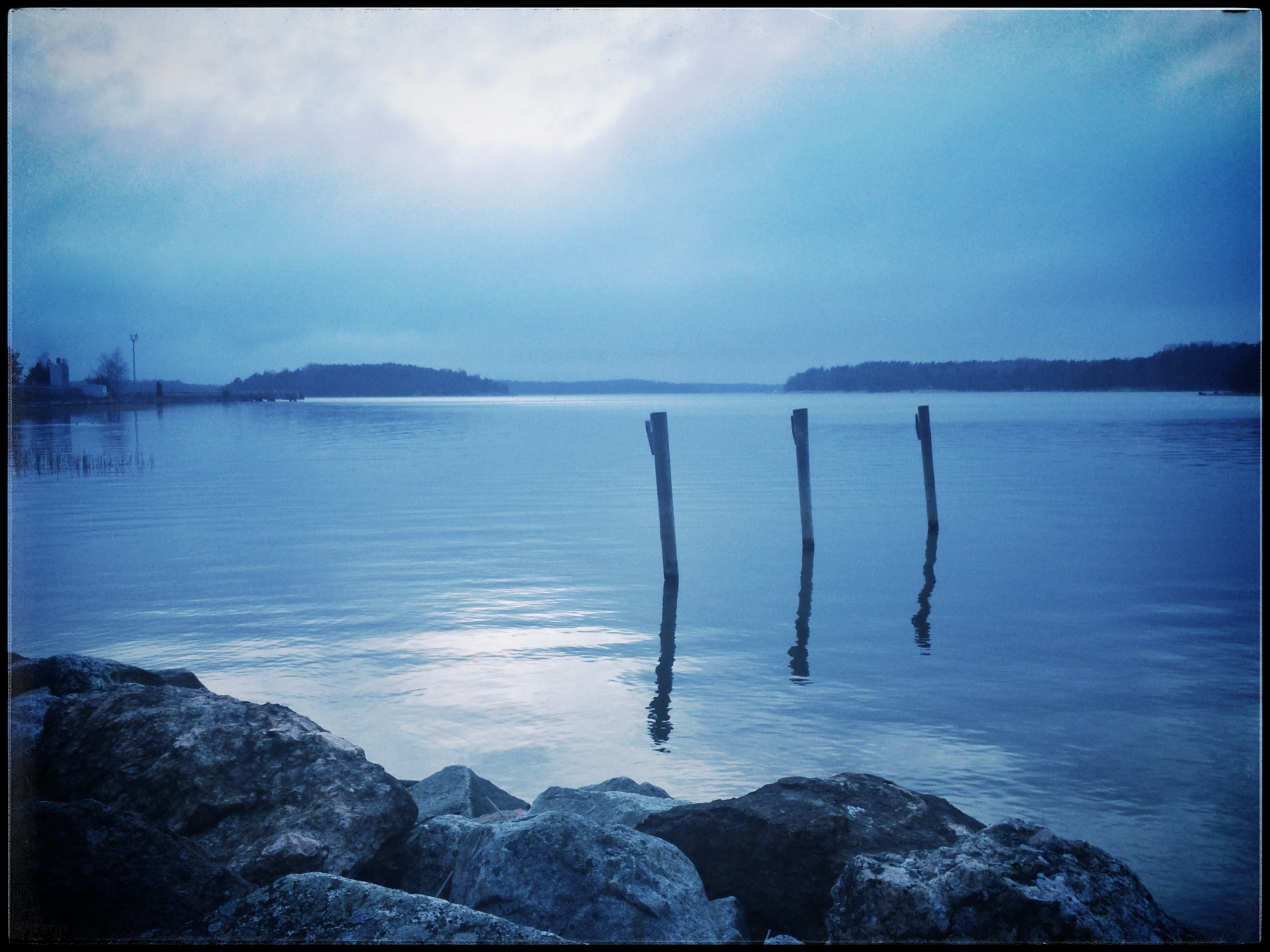
As I walked to the shore where we once moored the boat to the summer island, I pondered on the fleetingness of it all. If nothing is constant, why do we create lives as if the opposite were true? If everything is bound to change, why do we resist? And what is the difference between sticking to past times and preserving our past for the future?

Looking out over the sea, I thought about how one time, long ago, the planet Mars had vast oceans. Today we spend millions on seeking traces of condensed water on the barren surface. Perhaps the difference between unhealthy resisting and positive preserving lies in the impact on future generations? Perhaps, instead of understanding space and planets we should understand the impact our little lives has on the future of our world. Perhaps instead of trying to understand the universe I should focus on how my grandfather’s tales and my grandmother’s dancing shoes unnoticeably directed my life.

And yet, at least our world keeps spinning. For the moment.IMG_0164(Uusikaupunki, Finland; April 2015)


Leave a comment

The Bridge

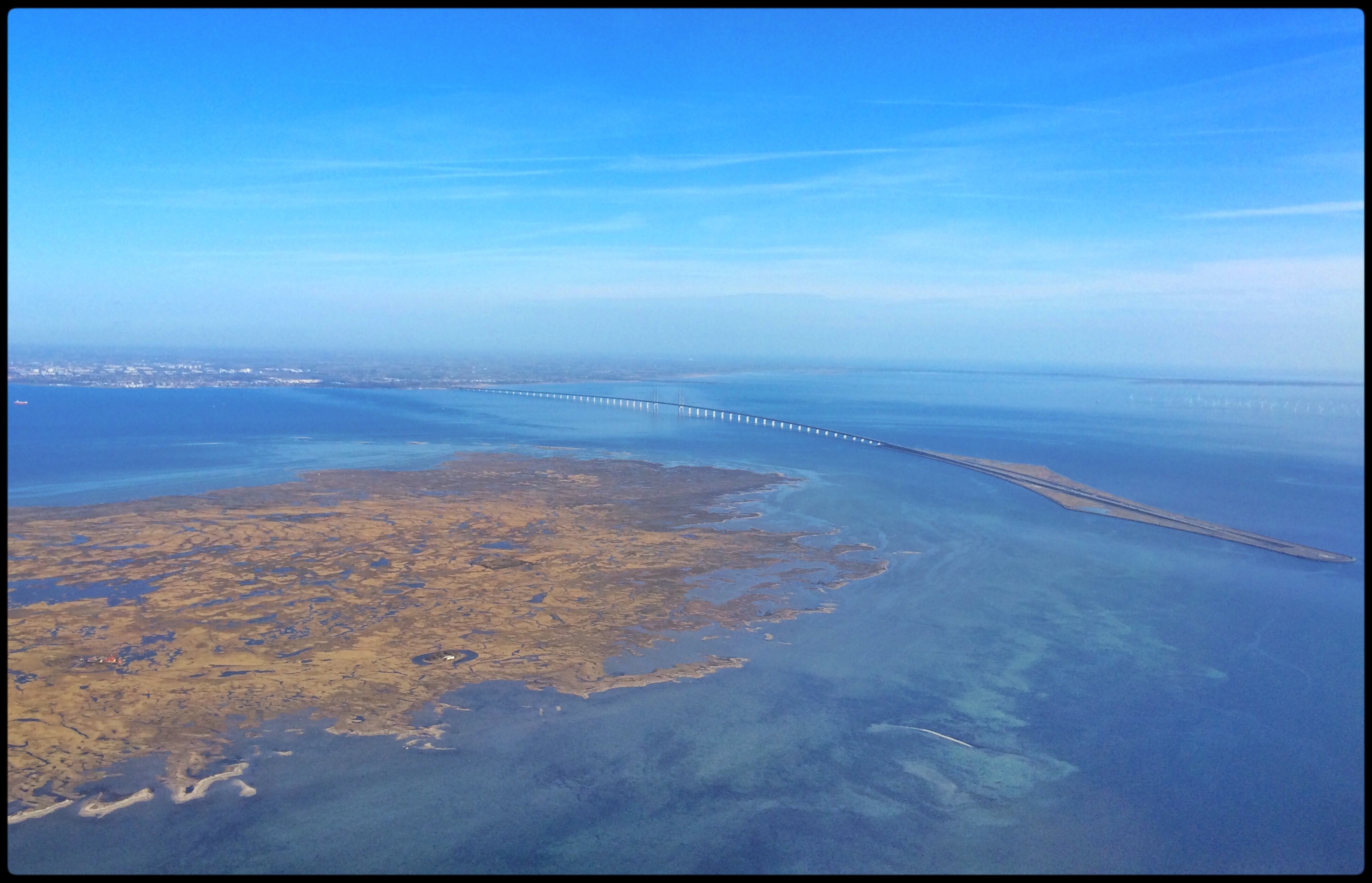
bridgeThe bridge begins in Sweden, where it stretches a long sparkly spine over the blue strait. Cars flow back and forth like pearls on an abacus. Underneath the car deck, Swedish and Danish trains sweep back and forth, easily switching voltage and sides of traffic as they cross the border.

Suddenly, in the middle of the brightest blue, cars and trains and everything dive into the water and underneath the sea floor. Space must be made for ships and landing jetplanes. In the distance, back on the Swedish side in Malmö city, a tower building slowly revolves around its axis.

No, this is not the imagined future of the 1960s. It is also not our imagined future in 20 years’ time. This is the Öresund strait today. This is a region where languages and cultures are intertwined and mutually understood. This is the Nordics, practically borderless for 60 years and counting. Take that, European Union.

(Öresund Bridge, between Sweden and Denmark; April 2015)


Leave a comment

The law of Jante

saltholmenGliding over deserted Saltholmen island towards Copenhagen airport I think of how this flat country requires equal flatness of expectations. All peaks of success are evened out – and so are the lows. If you are good student you are expected to help those who are not equally successful. If you become rich you are expected to pay for it. Celebrating success is not encouraged, and neither is standing out as a total failure.

Once upon a time in a Norwegian book there was a Danish little village called Jante. The people of Jante abide by a number of laws which all boil down to one thing: you are not better or worse than anybody else. Do not expect it – nobody else does, either. Just fit in and you will be fine.

In the midst of this competitive world, in the heart of every Dane there lives a little villager from Jante. And not a month passes that I do not wonder whether the Norwegian author mistook the location of the village: the law of Jante ensnares the Finnish spirit, too.

As we float past the Öresund bridge rising from the bottom of the sea I wonder if it would be possible to keep the cake and eat it, too? What if we decided to keep the supportive lifting towards the mean for those who need help, and allow celebrating success and individuality? Why should the mean be the limit when it is possible to reach the stars?

(Copenhagen, Denmark; March 2015)