This blue marble

– and yet it spins


Leave a comment

Cocktail party in a blue mud pool

Iceland-1

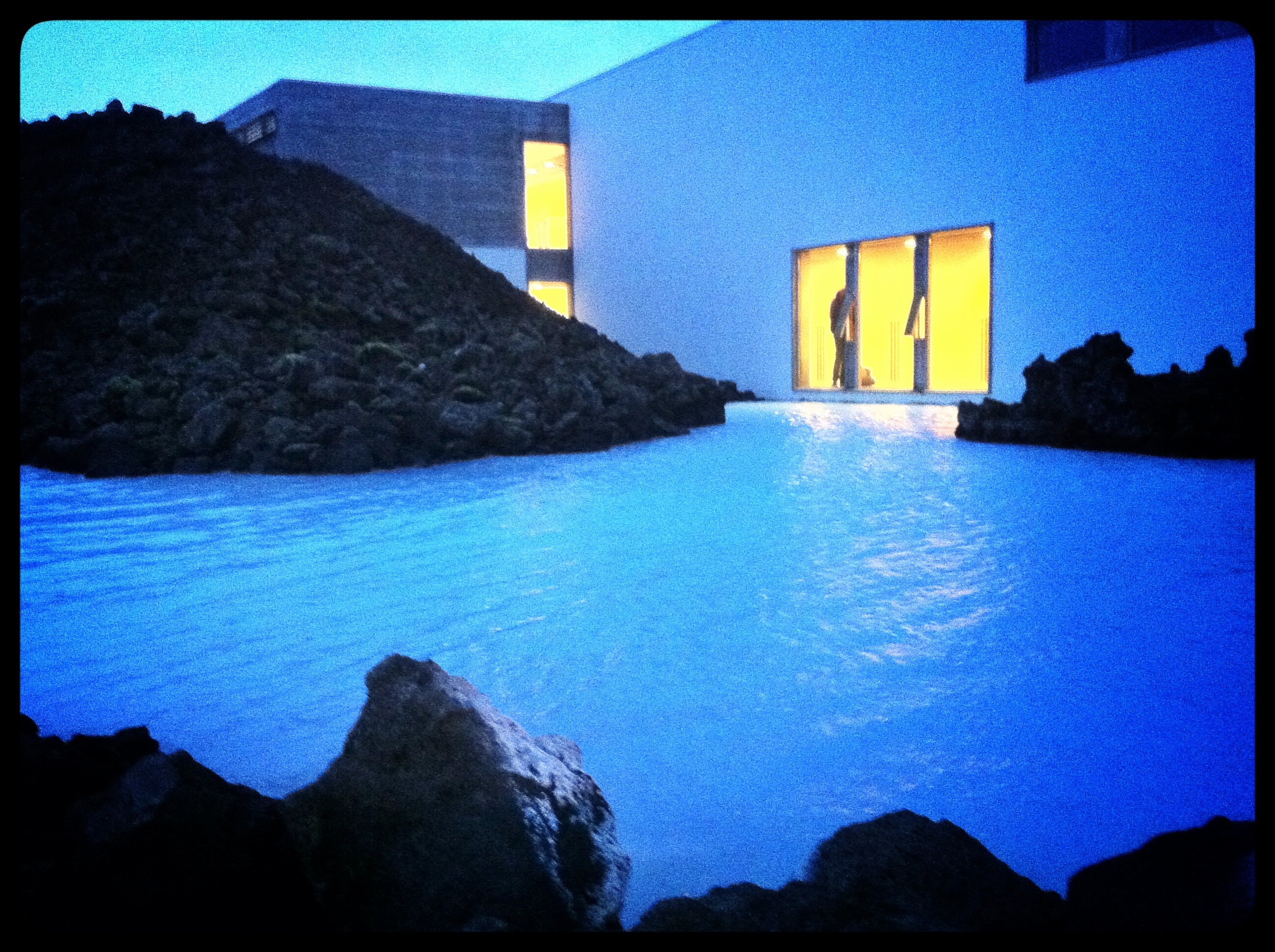
The weak January sun was melting into a golden glow as we landed on Keflavik airport. As the gold turned into a deep blue we were whisked away to a lava moon landscape, ushered inside, handed robes and towels, and herded back outside under the new night sky wearing nothing but swimsuits. The cold crept under our skins in the split-second it took us to dive into the eerily white, hot, sulphur-scented water.

How difficult it is to recognize colleagues when all one sees is a head bobbing above the dimly lit water. How hopeless to recognize an office neighbor’s face covered in mud. What an odd cocktail party, with three hundred wet-haired heads bobbing next to blue drinks floating on the surface of a blue lagoon.

(Blue Lagoon geothermal spa, Iceland; January 2014)


4 Comments

Bones to build a temple on

chiefbones

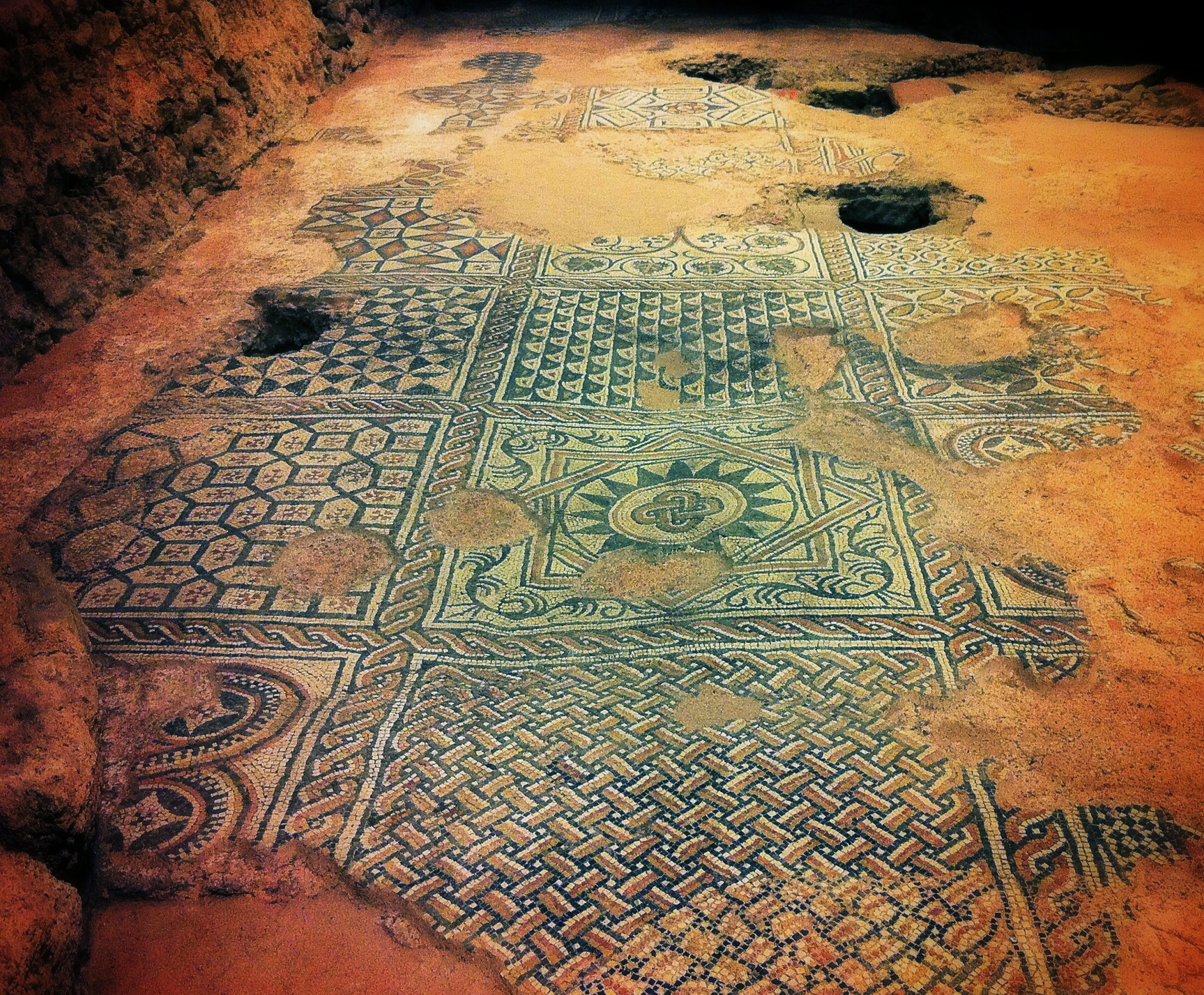
His name is long vanished, but his bones still defy time. He was a chief and buried by his villagers high atop a hill. He was mourned, remembered, and worshipped. Temples were built and rebuilt over his body while his identity and story faded. Maybe he was a great man; or maybe he was a feared man? Perchance he was a wise man, or simply a human with kind, compassionate eyes?

Today his burial site is still worshipped, in an unbroken lineage going back two thousand years. Today he lies underneath the Cathedral of Geneva, right under the altar area.

Chance, perhaps; or perhaps not?churchfloor

(Geneva, Switzerland; December 2013)


Leave a comment

Looking for life on Bourbon street

Bourbonstreet-1

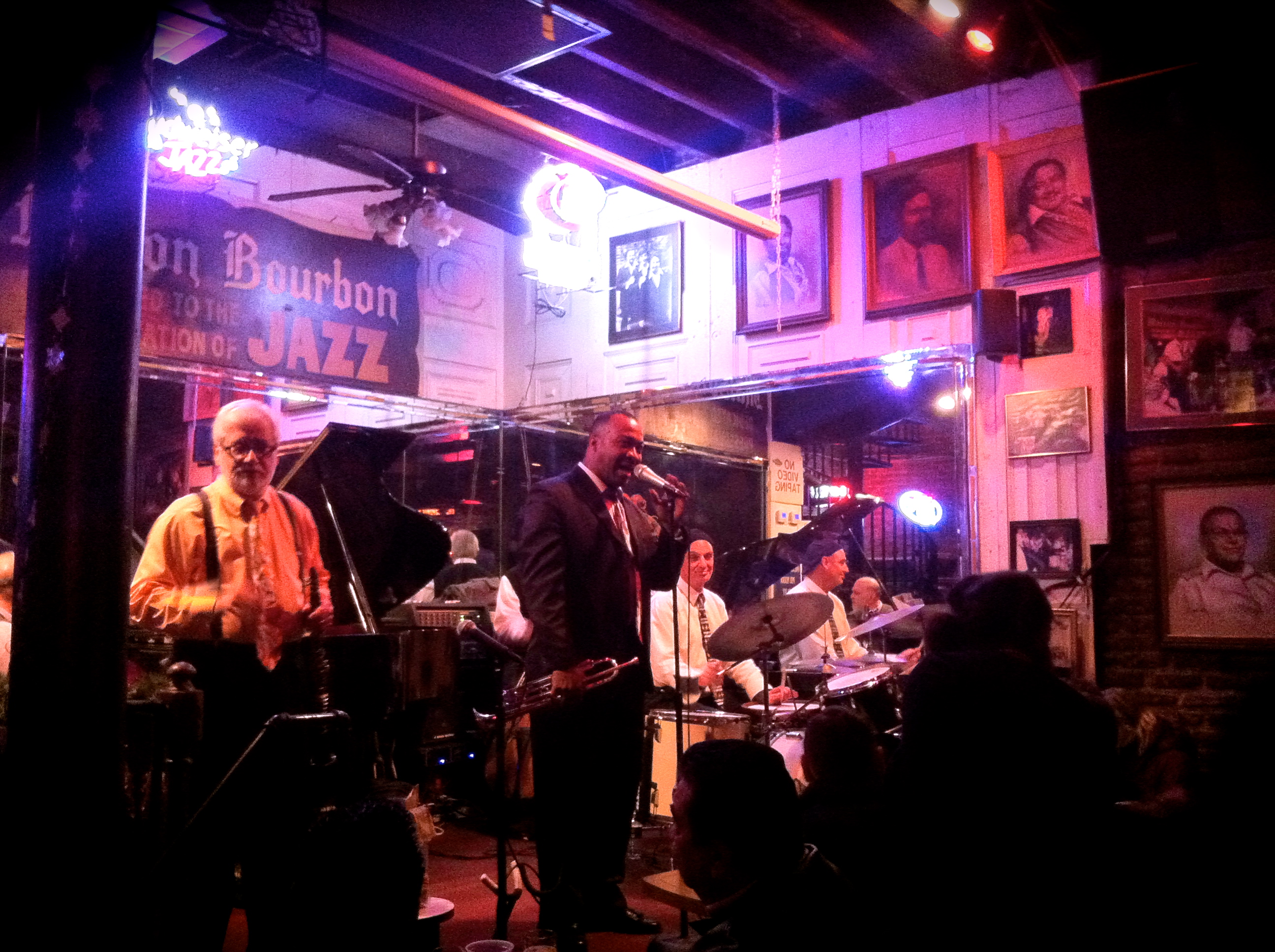
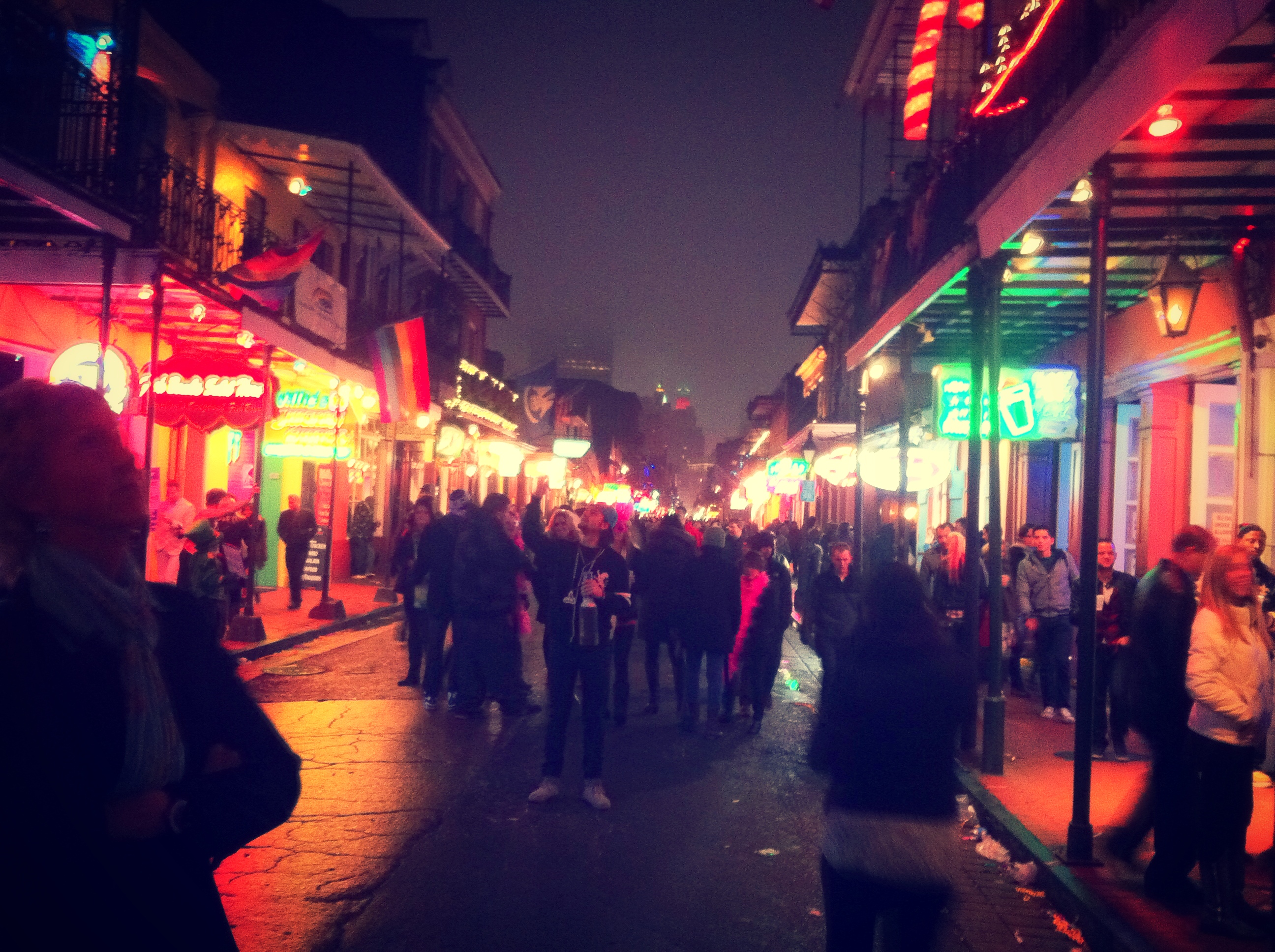
We strolled down Bourbon street, lost in film noir scenery. Neon lights and shadows surrounded seedy bars, where night people searched for the spirit of life, or tried to forget the very same. Never-minding the shades of craze between the Dungeon and strip clubs, we slipped into the Preservation Hall to witness a bunch of age-grayed cool cats jam the night away.

And the desperation of living faded in the face of pure light and true joy of being alive. They say clichés are true. Oh! such a lovely cliché is jazz on Bourbon street!

Bourbonstreet-2

(New Orleans, Louisiana, USA; December 2013)


2 Comments

So strict, so gray, so gorgeous – be mine!

Rosersberg

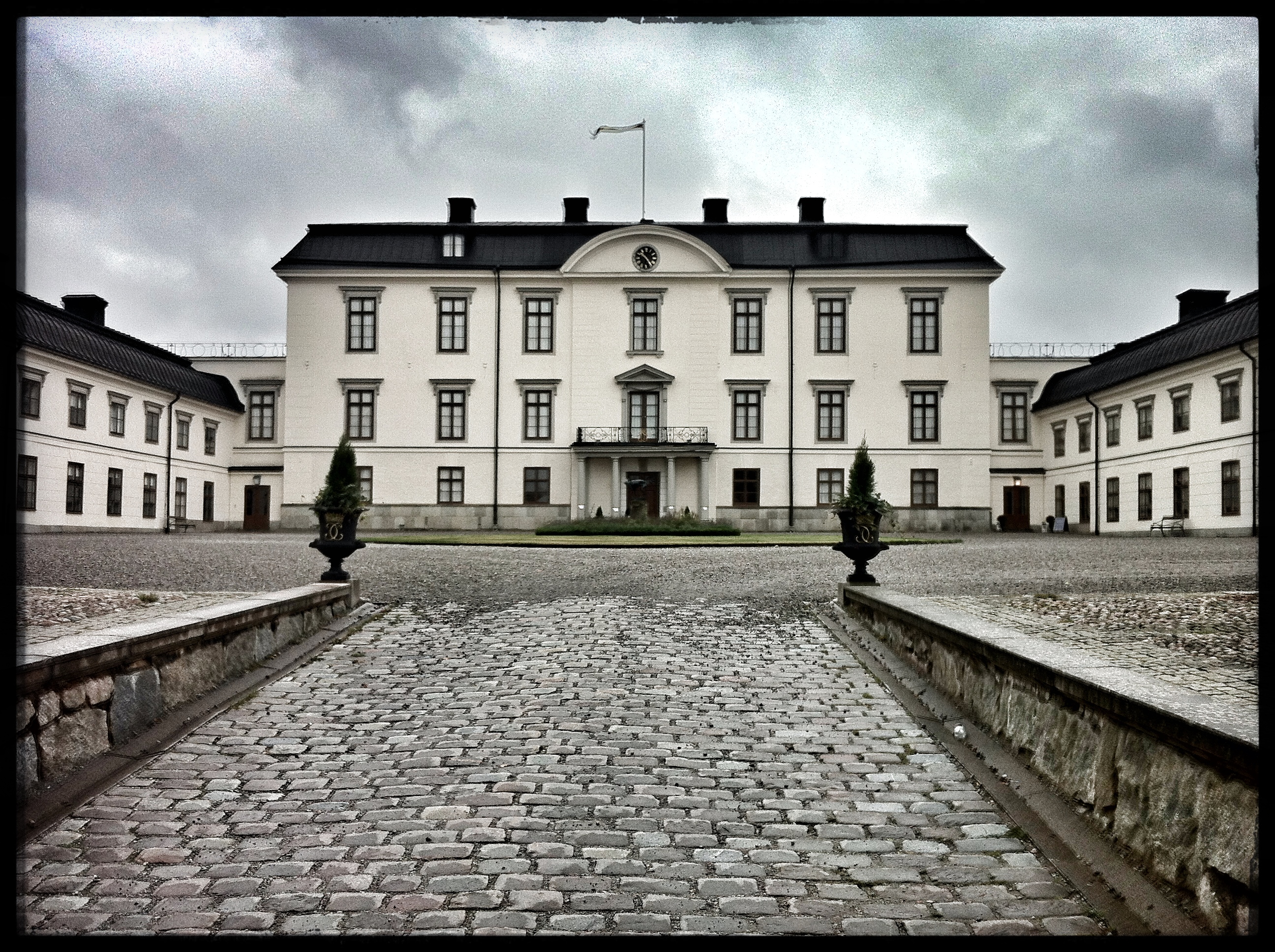
Can you hear the hooves clicking on the cobblestones? Do you see the steaming horses and the bustle of a departing riding party? Do you hear the clattering in the kitchen, later resulting in a celebratory Sunday dinner? I did, as I peeked out through the window into the courtyard.

And I sank into the bubbles of my heart-shaped bathtub and dreamed I was a princess.

(Rosersberg palace, Stockholm, Sweden; October 2013)


Leave a comment

A fish tale

salmela-2

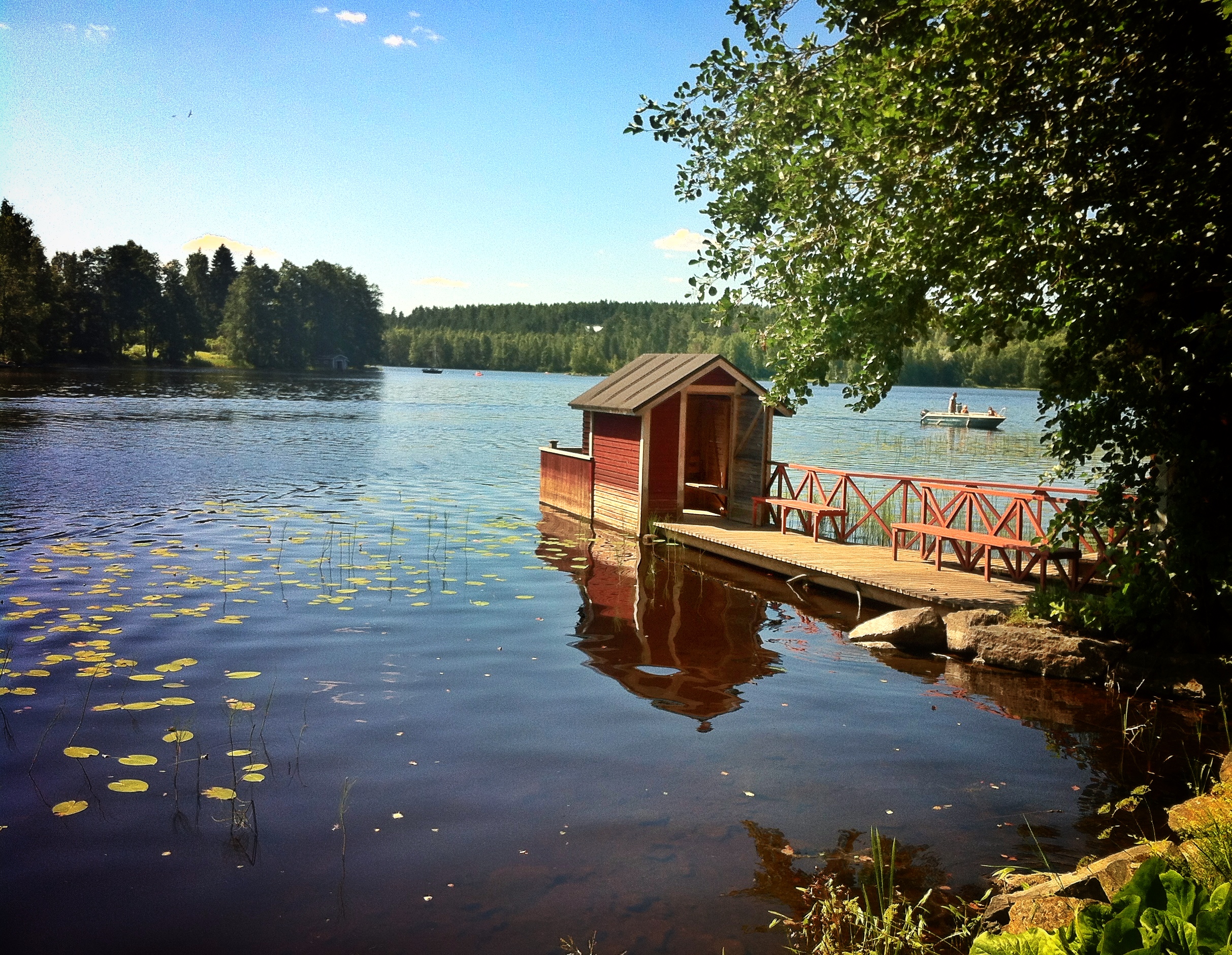
Leaning against the wall in the livingroom is a silk-screen print depicting a big fish under a table, its fin poking through the tabletop. The fish resembles a blend of tuna and koi. The work is called “breakfast” and is by a Finnish, up-coming artist called Samuli Heimonen. How it ended up there is a good question. We were on our way to Savonlinna Opera Festival but Art Centre Salmela is art shopping made too easy. Who wouldn’t love spending an afternoon in such a gorgeous setting, and perhaps finishing the spree with a dive into the lake from the swim-house?

The fish may be dead or alive under that table, but it will look good on the wall.

(Art Centre Salmela, Mäntyharju, Finland; July 2013)


Leave a comment

Forward

20130502-175553.jpg
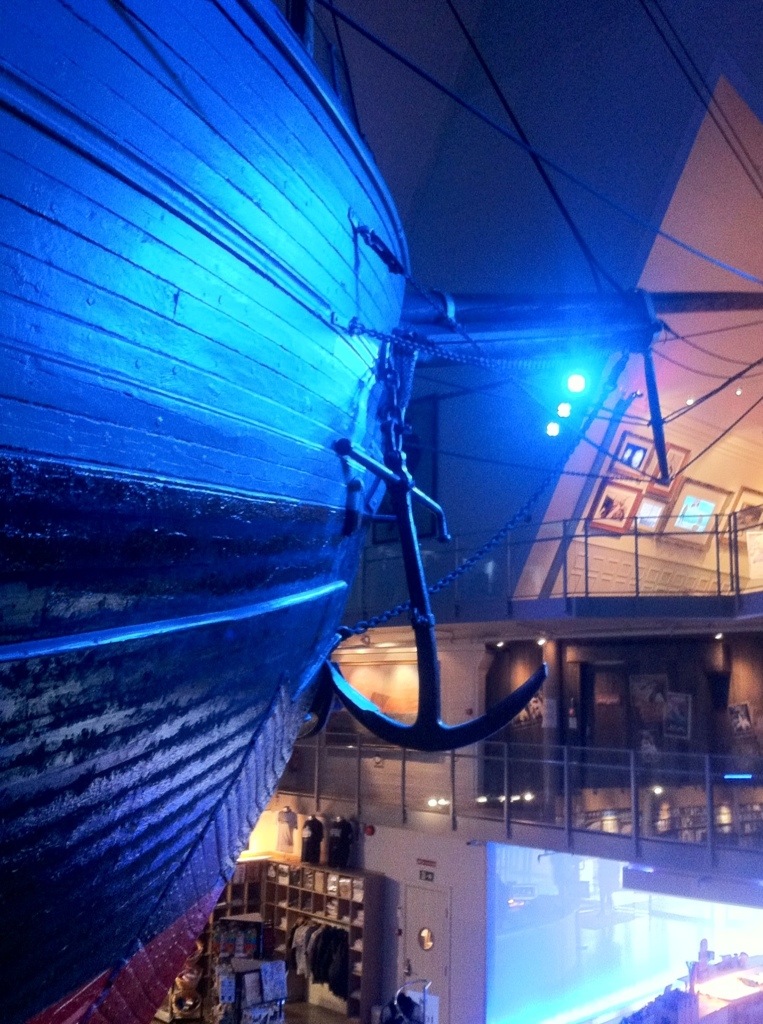
Yes, the Vikings were famous seafarers, and yes, Norse vikings were the first ones to discover North America. But what about the biologist and anthropologist Heyerdahl, and the polar explorers and scientists Nansen and Amundsen? Did we forget that Norway did not lose her seafaring skills with the Vikings, and has a place to claim next to the great explorer countries that discovered the world as we know it?

Such an interesting facet in a tradition-embracing country. The polar explorer ship Fram does not have a Viking bow, but meter-thick walls to tackle any ice – and a name that only leaves one choice: Forward.

(Fram museum, Oslo, Norway; April 2013)


Leave a comment

A boat spun from legends

20130430-100605.jpg
One courageous, crazy man, his crew, a balsa raft named Kon-Tiki, and 8,000 km across the Pacific Ocean. You’d think that was enough but Thor Heyerdahl had to prove something else, too. So he built another raft, this time out of reed, and sailed across the Atlantic – almost. The Ra I sank right off Barbados. Many would have smoothened it out saying they made it, but not Heyerdahl. He went back, built the Ra II, and this time reached the Caribbean shore.

I stared a long while at the countless ropes and knots that leave the logs and reed ample room to flex but not enough to make the raft disintegrate. It is mindboggling that the Kon-Tiki and the Ra were not built by skill inherited through generations, but by legends, Conquistador drawings of Inca rafts, and Egyptian hieroglyphs. And yet they sailed, further than anyone could imagine.

For Heyerdahl there were no limits, just tools and hard work required to reach the goal, no matter how impossibly far it lies. So why do we waste our time in making limits come to life, when we could use it to reach our goals?

(The Kon-Tiki Museum, Oslo; April 2013)


Leave a comment

Headspace on the Hebrides

scotland-34

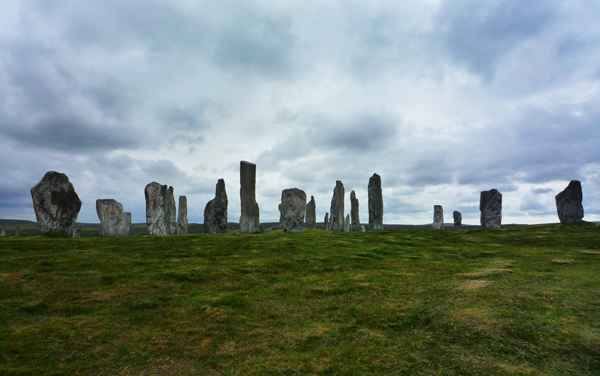
There is something magical about the stones of Callanish, facing weather and time out on the Isle of Lewis, at the edge of the world. As if the wind has eroded the monoliths so that only the cores are left, the strongest still standing. Sometimes I think this applies to all of us left standing in this windy world.

I read William Horwood’s book “Callanish” when I was about 10 years old. It describes these stones as a center of power, both for eagles and humans; and the long journey of an eagle, captured at London Zoo, back home to the outer Hebrides and to freedom. I still need to rediscover my own source of power but moments of headspace on our beautiful blue marble help with the recharge.

(Callanish standing stones, Isle of Lewis, outer Hebrides; July 2011)