
 Our boat was freshly made, out of mangowood. The finishing touch was given by a fire just the night before. Burning the surface with a hay fire made it more seaworthy. I was glad it floated.
Zanzibari fishing boats are very narrow and deep, like deep kayaks with wooden side floaters and a sail. My bum was not much smaller than the width of the boat, but for the quite petite locals I am sure the size works much better. The sail is rigged with two ropes so it can be used by one single person – which is the case most of the time anyway. The floaters make the boat very stable, so a solo sailer can focus on working instead on staying afloat.
The fishermen often go out at night. There are very few lights by the shore, and some decades ago there was no electricity at all. The fishermen still know how to navigate using the stars and the wind, avoiding sand banks and coral rock in the dark.  Our fisherman guide said he would not normally take his own daughters or wife out in the boat. It is not done. Women are considered to be too weak to manage the seas. He laughed when I said I pretty much grew up spending my summers on boats, home-made rafts, and other floaters. Local women do fish, but from the shore, wading in the water. Honoring the women, a boat may be named by other villagers after a man’s daughter. This boat was only proving to be seaworthy on this very voyage, so it had not yet earned a name.
Only one experienced boatmaker and sailor would take two tourists onboard for a maiden voyage. I was glad we stayed dry.
 (Nungwi, Zanzibar, Tanzania; August 2017)
 The reef around Pemba island is in bad shape. I thought it was because of us tourists, but apparently the water has been unseasonably warm for too long. The fish were plentiful though – and so were the jellyfish! I felt many baby jellyfish sting me, and kept looking around for the grown ones but never saw any. Later I met a girl who had been stung so badly her entire skin was prickled red like a fit of hives. Holiday experiences can be rough.
 (Pemba Island, Zanzibar, Tanzania; August 2017)
 In Nungwi the location displayed in the iPhone weather app is “Indian Ocean”. How suitable. We really are on a bank of coral rock and beach sand the middle of the Indian Ocean. And it never gets cold at night.
 At the tip of Nungwi village, by the lighthouse, there is a turtle sanctuary. And for nearly a week they offered sanctuary to me, too, in one of their vacant guest rooms.
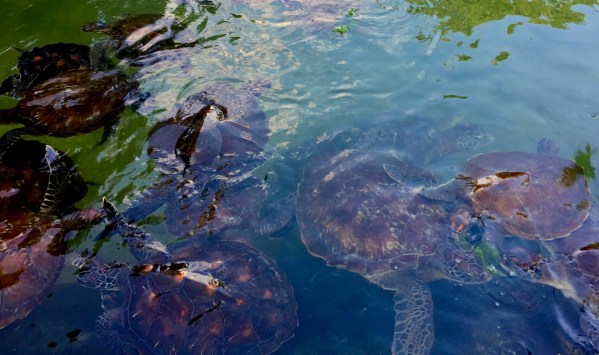 (Nungwi, Zanzibar, Tanzania; August 2017)
 On Zanzibar the tourists occupy the prime beach front and the locals the remainder of the island. Right after the beach-lining hotels and restaurants, real Zanzibar begins. It is sad that the locals have mainly lost access to beach-front living. But in Nungwi, the village is so much more present. It spills onto the beach at the northernmost tip of Zanzibar: kids playing soccer, women fishing in tidal pools, and fishermen repairing their boats and nets. The water is turquoise and shallow for several hundred meters, until the reef that catches the breakers. Here everything happens on the beach, also after sunset if the tide is low.
 (Nungwi, Zanzibar, Tanzania; August 2017)
 Somewhere out there across the ocean is Indonesia. Last year this same time I was on Bali, almost directly across from here. Now I am looking at incredibly turquoise waters and kayaks on floaters and kite surfers. Every hundred meters there is either a kitesurfing center or diving center. Maasai prowl the beach in their red drapes, wearing traditional weapons and shoes made out of car tires. They sell safaris but mainly approach ladies. In Nungwi they were quite persistent. My Kenyan friend says they sometimes also sell other services. Welcome to the beach front of Zanzibar.
 Lovely ones, apologies for the long silence. You see, I have spent the two past months in Africa. I thought I would have so much time to write, but first there were long (lovely) days with dolphins, then some crazy driving around the desert, and finally more lovely days by and in water a most astonishingly shade of turquoise.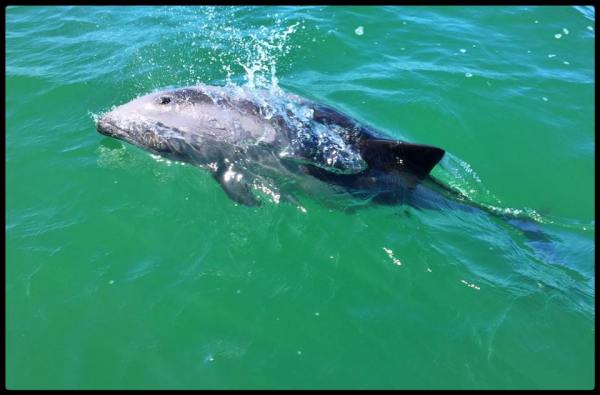
 This blue marble