This blue marble

– and yet it spins


Leave a comment

And yet the world spins – for now

IMG_6682 One time, long ago, my grandfather was a shipbuilder who spent much time managing Soviet business relations. Today we scour through photo albums to find images of the stories he used to tell.

One time, long ago, my grandmother used to dance folk dances up in her birthtown. Today all I have is a pair of dancing shoes from the ’40s, which I love to slip on for a special day.

One time, Guest house Pooki in my grandparents’ hometown used to be a bank. Today it serves sushi.

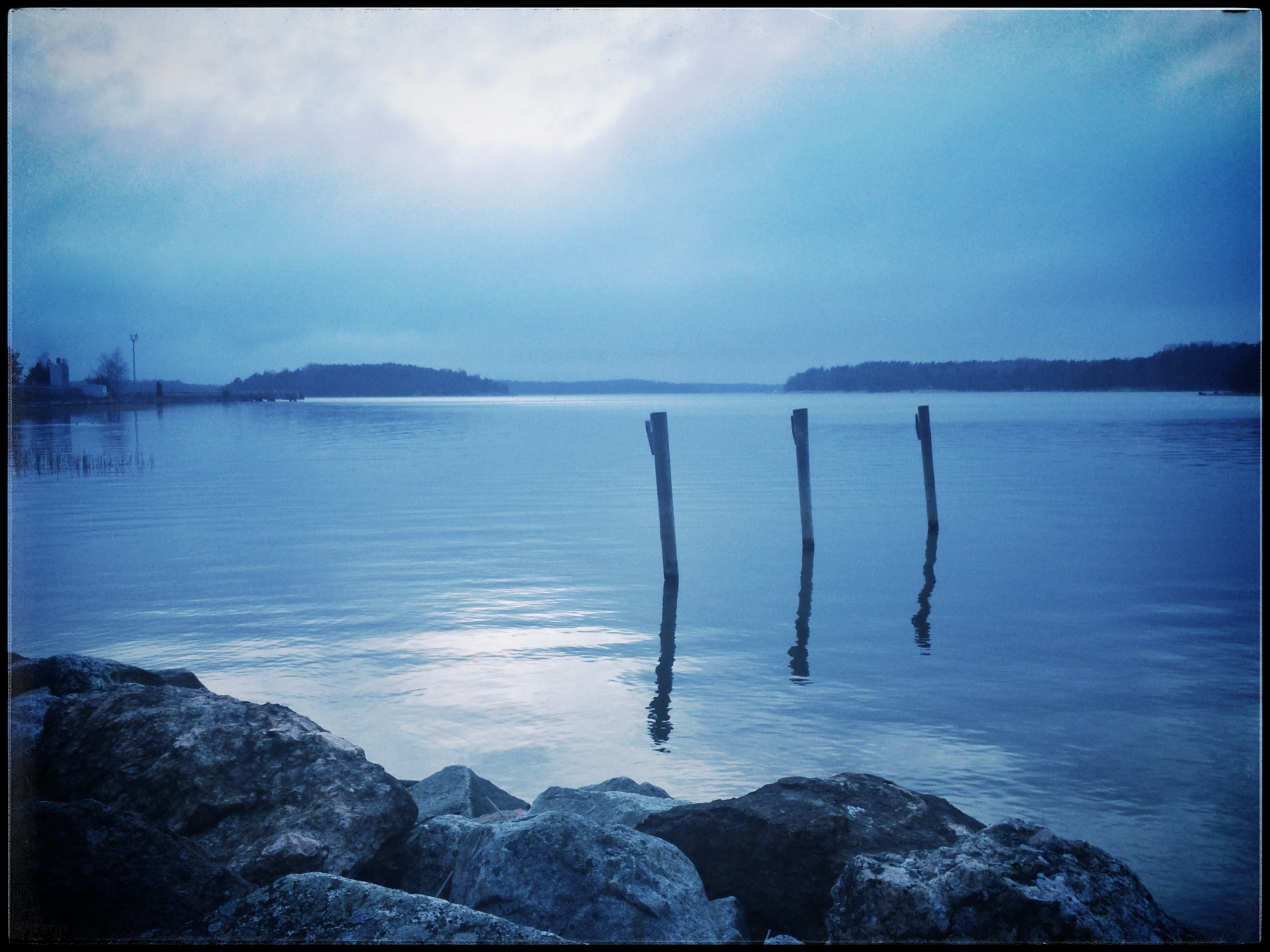
As I walked to the shore where we once moored the boat to the summer island, I pondered on the fleetingness of it all. If nothing is constant, why do we create lives as if the opposite were true? If everything is bound to change, why do we resist? And what is the difference between sticking to past times and preserving our past for the future?

Looking out over the sea, I thought about how one time, long ago, the planet Mars had vast oceans. Today we spend millions on seeking traces of condensed water on the barren surface. Perhaps the difference between unhealthy resisting and positive preserving lies in the impact on future generations? Perhaps, instead of understanding space and planets we should understand the impact our little lives has on the future of our world. Perhaps instead of trying to understand the universe I should focus on how my grandfather’s tales and my grandmother’s dancing shoes unnoticeably directed my life.

And yet, at least our world keeps spinning. For the moment.IMG_0164(Uusikaupunki, Finland; April 2015)

Leave a comment

The baseline

baselineWhich is better: to always chase the next thing, or to be truly content with what one has? And yet, can there be improvement if we did not actively seek it? What is the difference between contentedness and lethargy? Is ambition healthy? If we all simply let life happen to us, as taught by many wise souls, would anyone of us have the drive to make the world a better place?

Many big questions for a little weekend break. In the meantime, happy Easter and spring break to you all.

(Helsinki, Finland; April 2015)


Leave a comment

The law of Jante

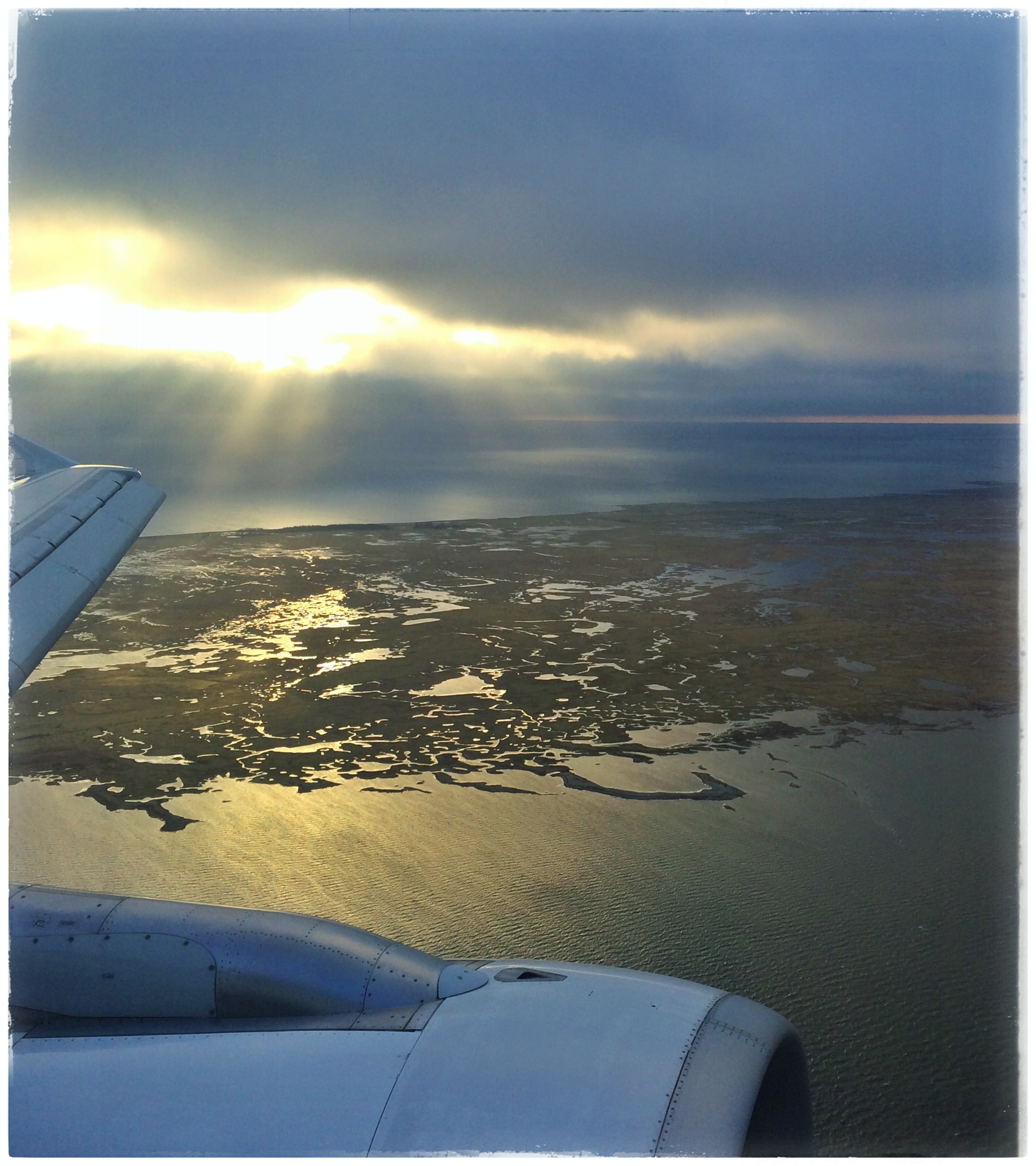
saltholmenGliding over deserted Saltholmen island towards Copenhagen airport I think of how this flat country requires equal flatness of expectations. All peaks of success are evened out – and so are the lows. If you are good student you are expected to help those who are not equally successful. If you become rich you are expected to pay for it. Celebrating success is not encouraged, and neither is standing out as a total failure.

Once upon a time in a Norwegian book there was a Danish little village called Jante. The people of Jante abide by a number of laws which all boil down to one thing: you are not better or worse than anybody else. Do not expect it – nobody else does, either. Just fit in and you will be fine.

In the midst of this competitive world, in the heart of every Dane there lives a little villager from Jante. And not a month passes that I do not wonder whether the Norwegian author mistook the location of the village: the law of Jante ensnares the Finnish spirit, too.

As we float past the Öresund bridge rising from the bottom of the sea I wonder if it would be possible to keep the cake and eat it, too? What if we decided to keep the supportive lifting towards the mean for those who need help, and allow celebrating success and individuality? Why should the mean be the limit when it is possible to reach the stars?

(Copenhagen, Denmark; March 2015)


Leave a comment

Friday mindfulness

poolFor centuries we Finns were born in the sauna, and it was there that we entered the next world, too. In the meantime we cleansed, meditated, and nursed a cold in the same little hot room.

Today it is intended for us to be born and die in a hospital. We are not nursed by shamans but we still nurse our colds in the sauna. We may not believe in midsummer magic but we still bring leafy fragrant birch branches into the hotness. We may buy our beer in the store but we still store it either in the sea or lake or in the cold water bucket on the sauna floor.

And we city-dwellers may not have access to a sauna by the lake or sea every weekend (unless we flee to our summer houses). But each and every apartment building in this country has a sauna, and many apartments in them, as well. There is no living without a sauna, not even today. Not even for me.

On a Friday night, kindly do not offer me a night out in town. Rather allow me to enjoy the last condo sauna slot of the evening. A companion and a cold cider, or a book and just me. Delicious hotness seeping into the bones. Then slowly inching into the cool pool and a few laps, listening to the water splashing against the rim. Finally more heat until the muscles let go of whatever they were worried about.

Is there such a thing as a collective soul of a people? If there is an ancient, cultural core that is still alive, the sauna would be the vehicle that takes us Finns to that ancient source. Not understanding why we love the heat and the cold shocks, or why we bat each other with birch twig bunches, perhaps we are connecting to the consciousness of that ancient people who speak a language almost nobody understands, and whose geographic roots are shrouded in mystery?

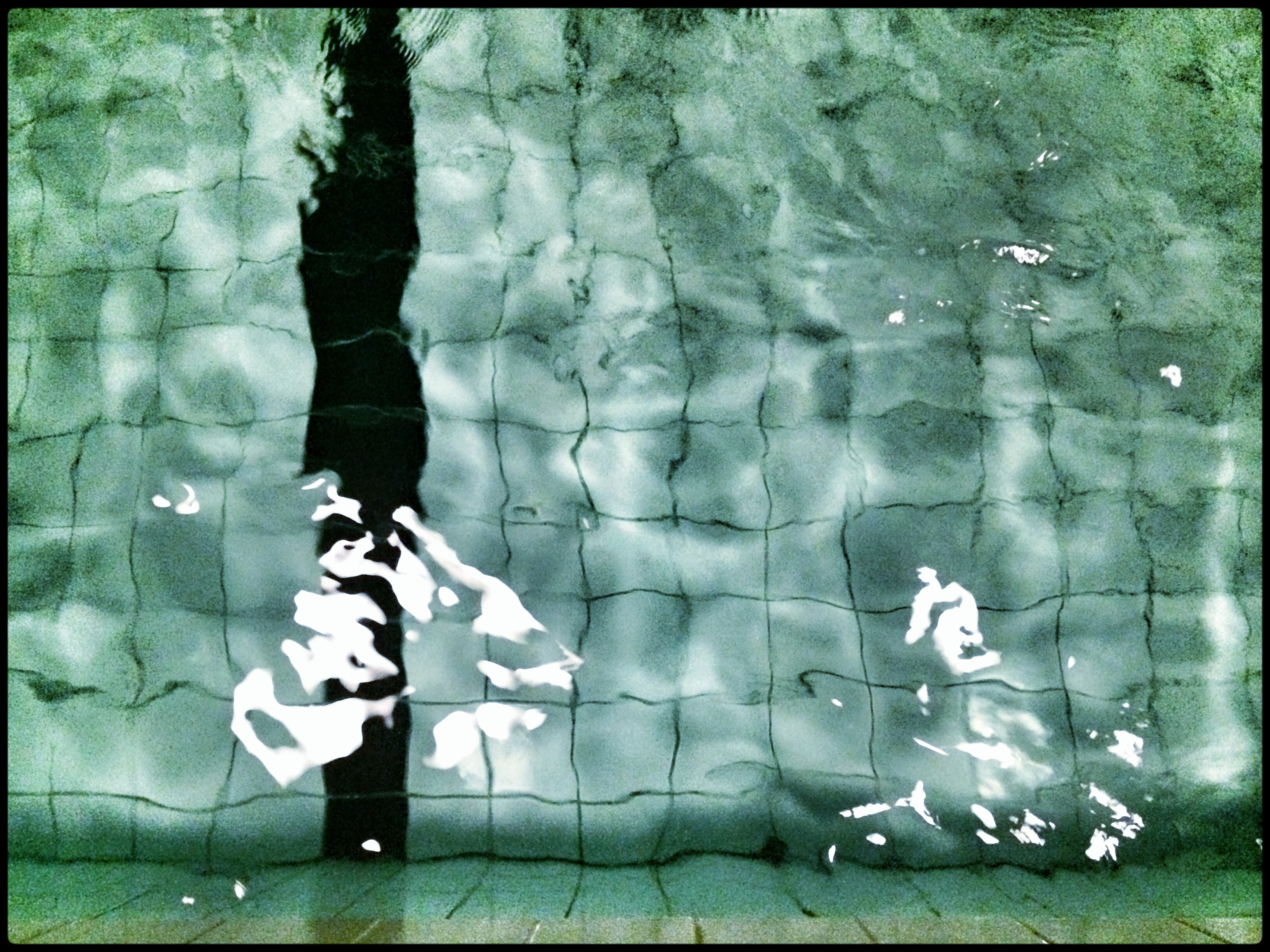
As I twiddled my toes in the turquoise pool water, I could not help but wonder how tightly cultural heritage is entwined into our DNA. From lake water into pool water – into something else, will we still have saunas 200 years from now?pool-2(Helsinki, Finland: March 2015)


1 Comment

As I walked into the arrow I thought…

arrowDid you battle and beat a fear today? I did. I broke an arrow in half by walking into it with the soft part of my throat, right above the collarbone. It was scary, and liberating, like jumping out of a swim jump tower for the first time, head first.

And I could not help but wonder about the battle we lead against our self-preservation instinct, every day. Fear is nothing more but the inborn will to stay alive. Does it, then, make sense to fight our will to live?

Self-preservation means setting boundaries. Saying no to situations that could be dangerous. Bringing on inhibitions. However, what our self-preservation instinct does not realize is that there is no way to minimize risk and thus we spiral into a place where we say no even to life itself.

When our fear, or thus our will to live, takes over the controls completely and irrationally, how can something so right become so wrong?

Resetting our fear does not mean resetting our will to live. It brings us to the sharp edge between what we do without thinking, and what we do because we choose to, over everything else.

And so, walk into an arrow. Once in a while. Just do it. Live today.

(Helsinki, Finland: February 2015)


Leave a comment

From loving-to-hate to hating-to-love

wheel_yogablogaDo you also have something you used to love to hate, and then one day you woke up and noticed it had turned into a thing you hated to love? And then slowly, slowly, the hate subsided and you found yourself at least ambivalent, if not slightly attached to the challenge? Did you ask yourself what changed? Was it persistence? Ignorance? Motivation? Or something else?

They say yoga happens when you connect your experience on the mat to your life off the mat. One of the walls I ran into on the mat early on was Wheel Pose. You know the backbend we all easily lifted into as kids, standing on our straightened arms and legs, hanging our heads upside down. Easy-peasy, yes? Since we did it as a kid we can naturally kick into it 15 years later, yes?

No. That pose we all kicked ourselves into as kids seemed impossible to me. I could not budge the crown of my head off the floor. “It is not about arm strength but leg strength”, my teacher said. “It is not about strength at all as much as stacking your bones right”, my sister said. I felt like Neo in the Matrix, trying to understand that it was not my body that was supposed to bend but my mind.

I clearly recall the shock of one of my first led ashtanga yoga classes, where the teacher asked us to go into the pose. I was still working on a Bridge pose variation, where the shoulders and head stay on the floor while the back arches up. Suddenly, there were strange figures lifting up all around me and as I lay on the floor it looked like the shala was invaded by Orwellian, long-legged Martian war machines. Hell’s bells, I thought, these must all have been doing wheel poses straight through their twenties into their thirties. I thought I was the only one in the world whose body forgot how to do it.

And then suddenly one day I mis-aligned my hands, too far from the head. Without noticing what happened I was up, looking at the world upside down. It really was all about forgetting strength and just stacking the bones as they felt most comfortable. It was bending the mind more than bending the body. The next few weeks I worked the pose into something I hated to love, until the one day when I straightened my arms and felt the luxurious stretch in my abs and hips and decided to increase my repetition count from two to four just because it felt so good.

Where did the transformation happen? We never catch the actual “click” as we only pay attention to the effect. The magician snapped his fingers and was gone before we knew it. The end result is all we have, and it can be a marvel. And so here is a challenge: next time I will try to catch the magician in the act. I will try to catch his hem to understand what changed, and why. Perhaps, just perhaps I will be able to understand how to bend the mind after all?

Nepalflowers(Helsinki, Finland; January 2015)

(top image courtesy of yogabloga.tumblr.com. Bottom image from Kathmandu, Nepal.)


Leave a comment

Deconstructed memories and the flavor of saudade

seashellsIreland, California, Cornwall, and Skye. Posing outside of the frame are Kenya and Amazon. One beach per jar. One memory of a distant shore forever locked up behind glass. I wish we could store memories like Dumbledore: pull them out of heads with a magic wand, and store the wispy silver strings just to be able to dive back in at any time.

Yet the memory itself is only half of the experience. What is as important as the actual place and time is the way we felt there. How fleeting and subtle it envelops us while present in the moment, and how strongly it makes itself present when that moment is long gone. Skye in a jar for me is sheep bleating on green grassy hills, and bouldery shores covered in slippery seaweed with treasures of sea glass and shells lodged in-between the stones. It is the soft warmth of a Scottish July on a rare blue-skied day, and the feeling that we are by the edge of the world and it is going to be alright.

The last component of a memory is the nostalgic imprint of what once was. Portuguese has a word for it, too: “saudade”. Saudade is the afterglow of love that remains for something that was and may never come back again.

Perhaps my glass jars cannot store memories. Yet, locked inside is a different flavor of distilled saudade. And it is not necessary to open a jar to let the saudade take a quick spin past my heart.

(Helsinki, Finland; December 2014)


Leave a comment

Interlude

underwater_light_and_bubbles_by_della_stock

Diving

The moment I tire
of difficult sand-grains
and giddy pebbles,
I roll with the punch
of a shrivelling wave
and am cosmonaut
out past the fringe
of a basalt ledge
in a moony sea-hall
spun beyond blue.
Faint but definite
heat of the universe

flutters my skin;
quick fish apply
as something to love,
what with their heads
of gong-dented gold;
plankton I push

an easy way through
would be dust or dew
in the world behind
if that mattered at all,
which is no longer true,
with its faces and cries.

(Andrew Motion)

(Image courtesy of della-stock.deviantart.com)


3 Comments

About happiness, again

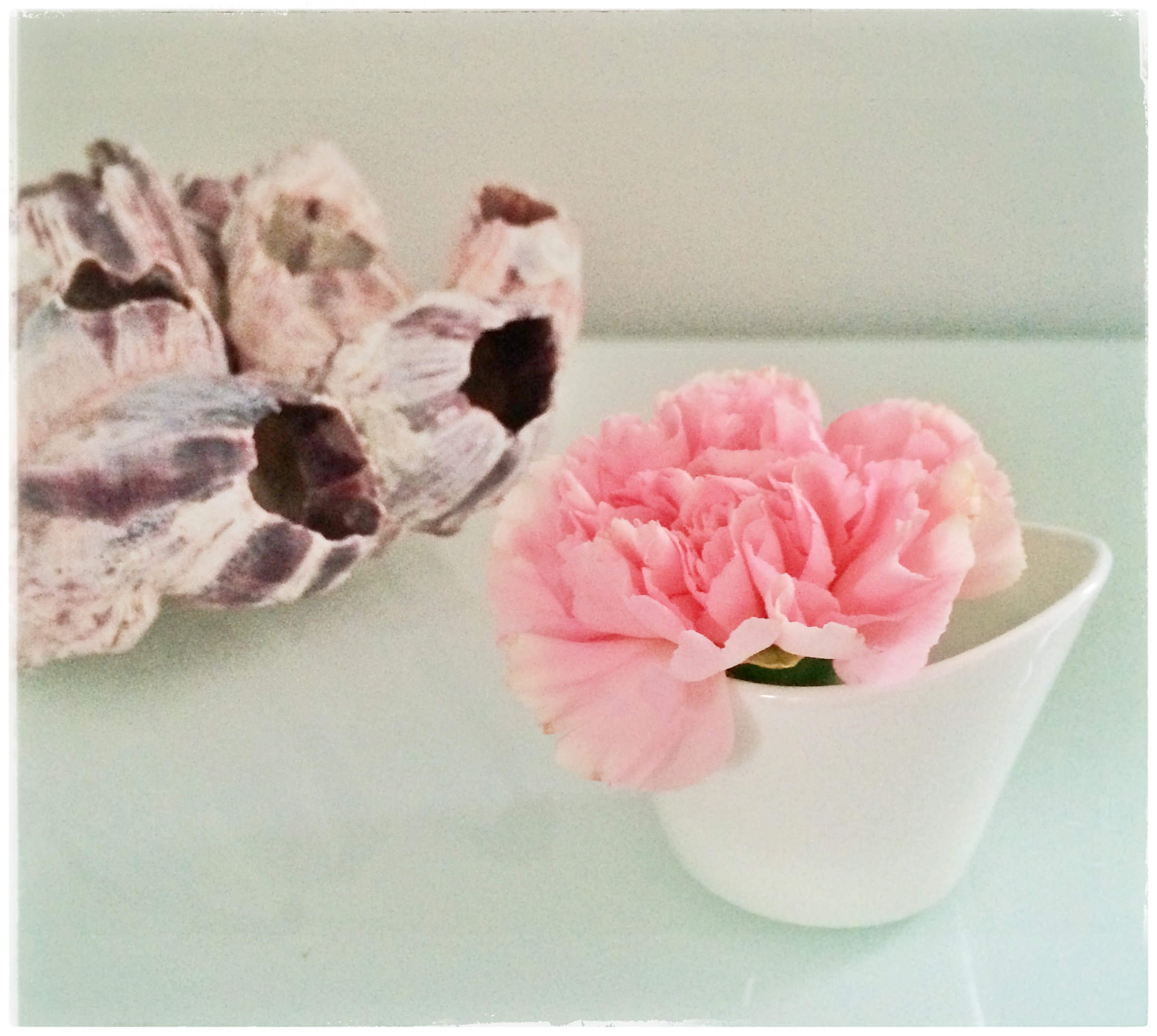
flowersHow much does our happiness depend on others? How much is not happiness unless it is recognized and mirrored back by another person? And what happens when we hang our happiness on another person’s regard and acceptance of us?

Yet another day of doubting whether it is worth seeking happiness again. Or is lasting happiness really happiness at all, but rather a contentment, peace, and quiet joy?

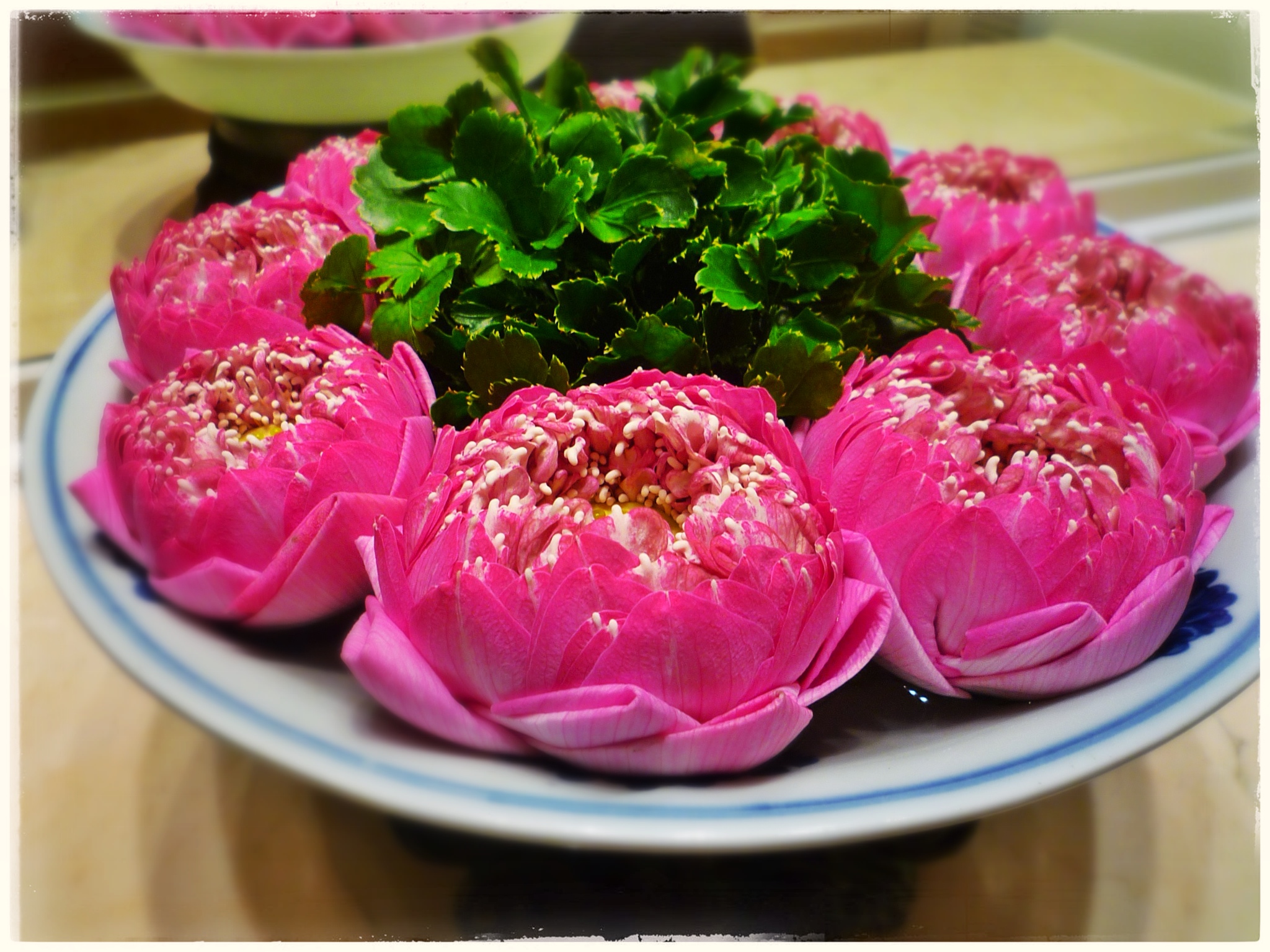
(Flowers at the Mandarin Oriental Hotel, Bangkok, Thailand; April 2011)


Leave a comment

What does it take to float?

amazon-1Each morning, as the sun rose, I sat on the porch with my tea cup and watched a couple of thousands cormorants fly past out to the river mouth. For twenty minutes the air was filled with streamlined black missiles flying without other sound than the whoosh of their wings, determined not to miss breakfast. Each afternoon, a few hours before sunset, the black mass of birds flew back in to sleep in the trees.

Cormorants are skilled divers; yet their innate state is to float on the water. But are they buoyant because of their bones or their plumage? If birds did not have feathers, would they sink?

(Mamiraua National Park, Amazon, Brazil; September 2012)