

My favorite time of the week: Friday, 5 pm. Because that is when I put away the deadlines, the sharpness required to challenge myself and others, the analyses, the business cases, and the corporate politics. And that is when I pull out my yoga gear for an hour of deeply calming yin yoga. The expansion in my joints and body slowly spreads into my head, opening up the windows, letting all the buzzing flies out and fresh air in, for a weekend of headspace and creative endeavors.
Once upon a time, I used to travel 3-4 days a week: fly in, followed by death by Powerpoint in some airport hotel or office, and fly out again, either the same day or the next. Repeated until Thursday night (or ad nauseam, it felt). A year into this craziness I informed my manager that I was going to work from home every Friday, and my colleagues that the only way they would get me into the office was to buy me good-quality sushi for lunch. During the years, I think they went through the trouble of securing sushi for me only a handful of times.
And I found that this decision was a lifesaver: unclogging my mailbox and getting a few hours of deep work done on Fridays, before simply closing the laptop lid and stepping on my yoga mat not only gave me more unwasted hours in a day, but allowed me to land after a busy week. It set me up for a restorative weekend.
Since then, I have worked 2-3 days a week from home (unless traveling), for the best of 5 years, and found this balance ideal. COVID-19 has forced most of us to work from home, and for many, the lines have become blurred and work invaded evenings and weekends. But as we nine-to-fivers go back to the office, it is easy to get sucked into the other extreme again. For me, this means having a post-COVID conversation with my new manager, as I have no intention of spending 5 days a week at my new office.
But first, and now, some deep breathing (see the routine that works for my body here). And then, weekend.
(Copenhagen, Denmark; March 2021)
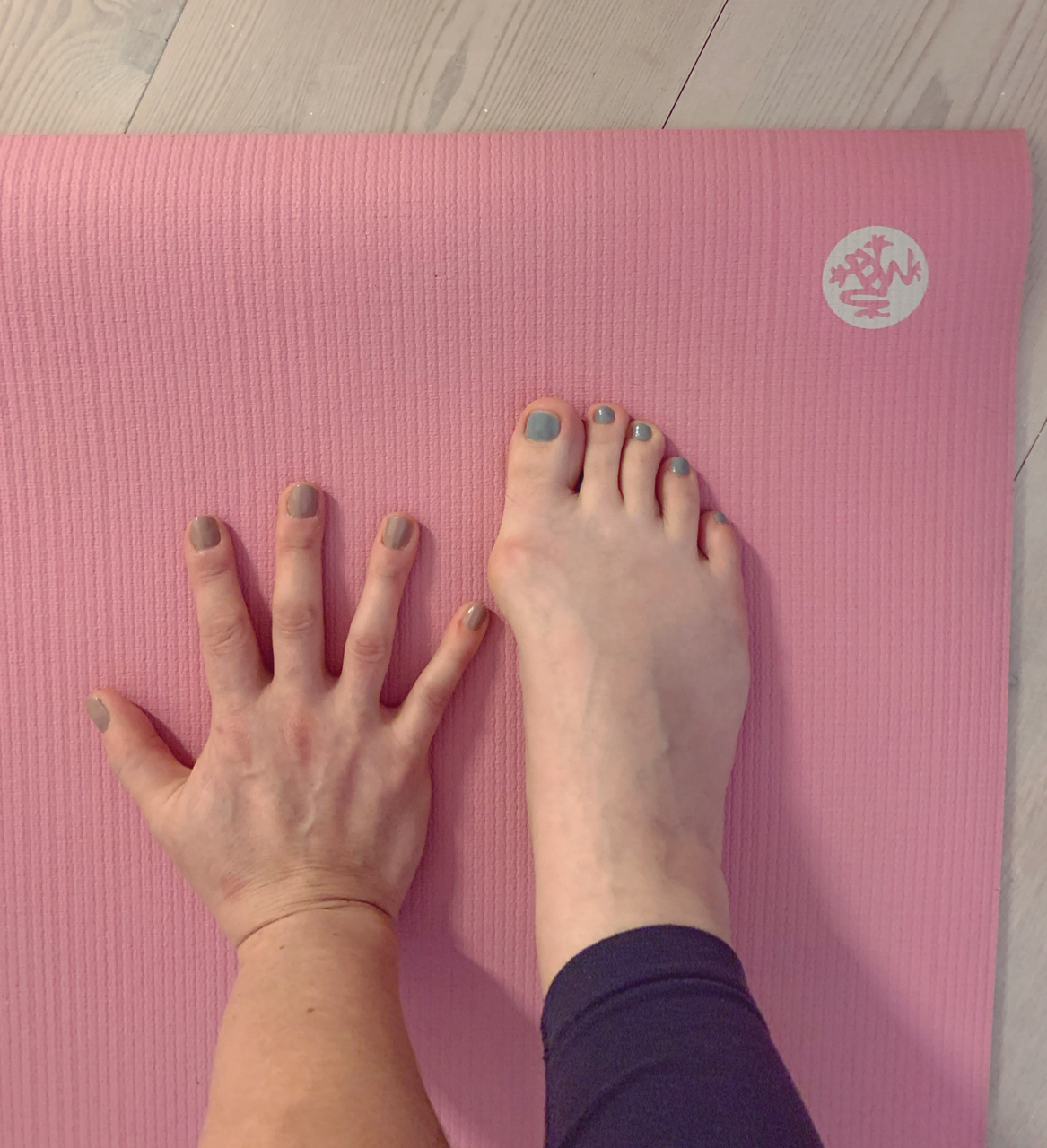

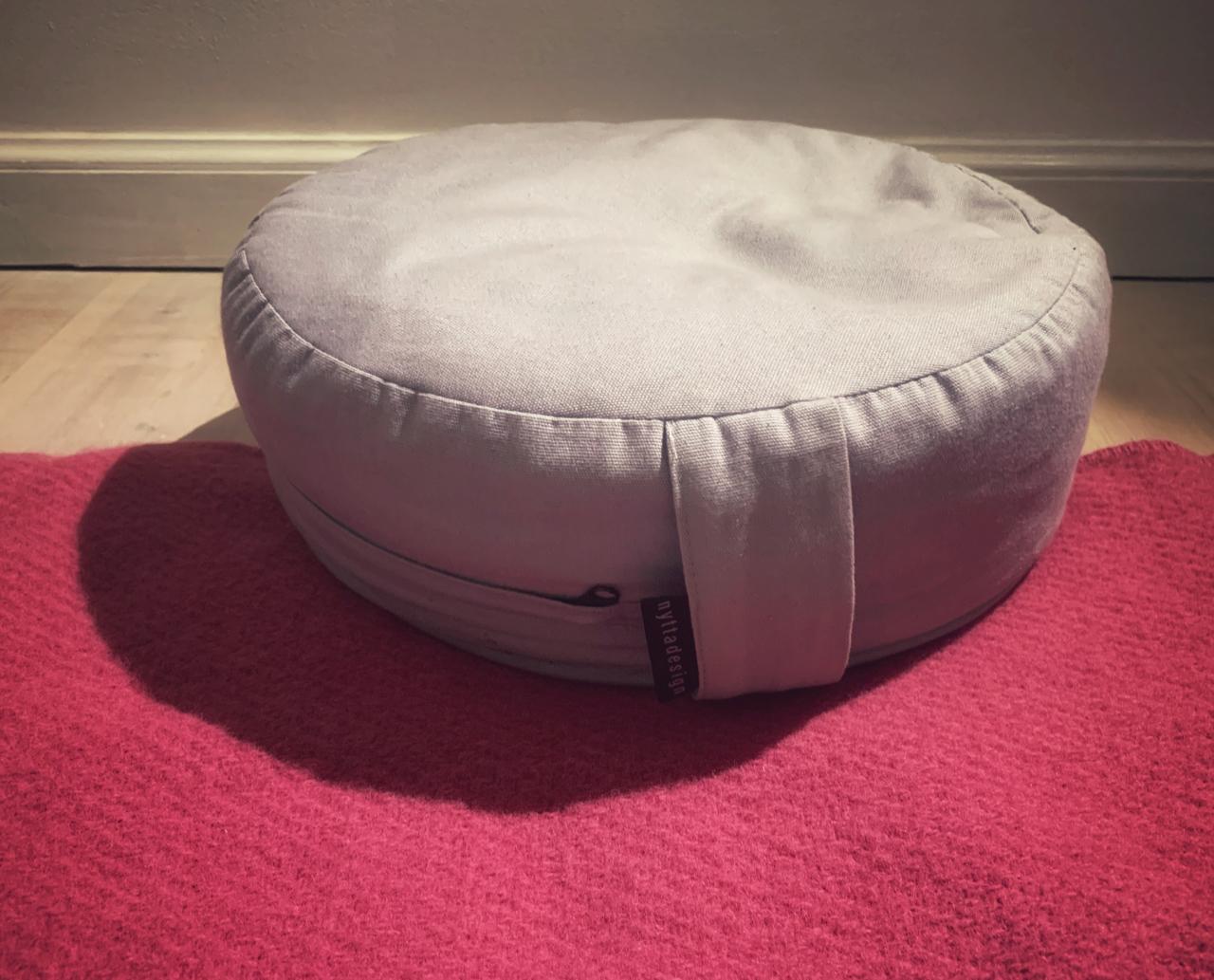
 Life is in a flux again, and how hard it was to just be present in silence for a long weekend in the Devon countryside. Instead I found myself thinking of the future, the past, or an alternative present. When work-hour sign-up was open I signed up for garden duty, to get outside. And when garden duty started I signed up to shovel compost, so I would be worn out by the time daily meditation sessions would begin.
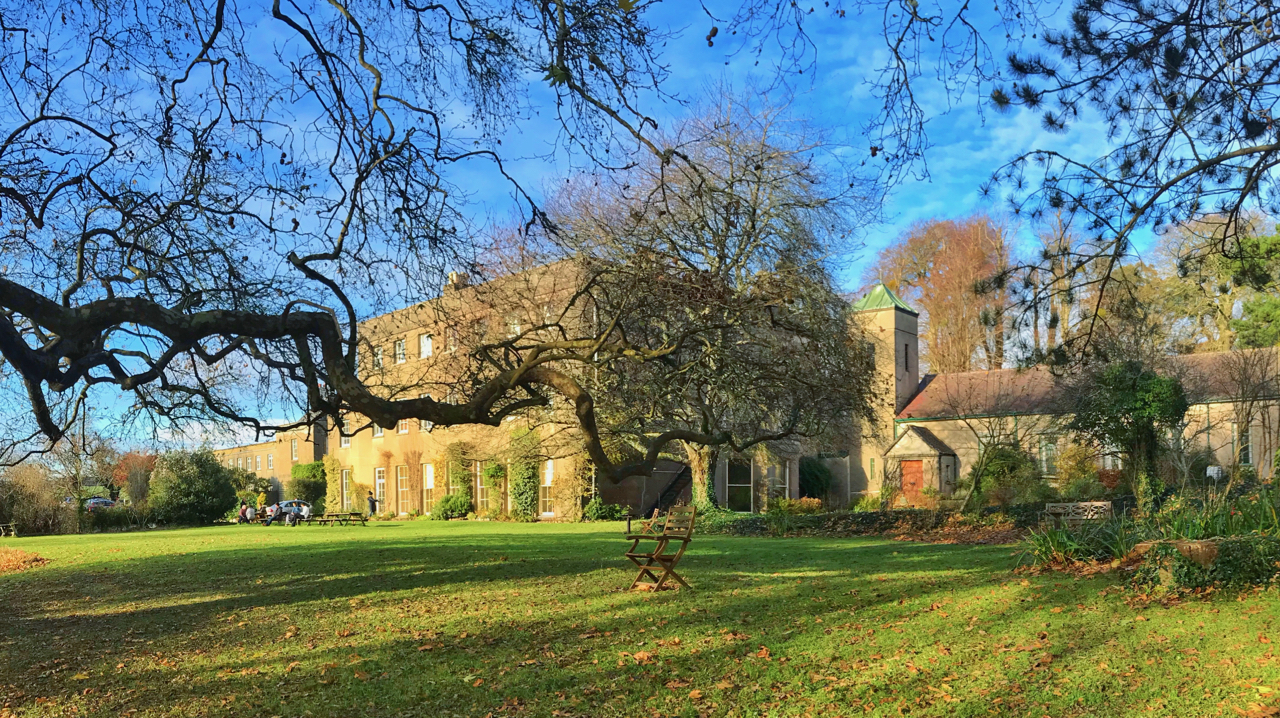 (Devon, United Kingdom; December 2019)
 Lovely ones, something quite different for a change: my favorite yin yoga sequence. Why? Because yin yoga complements both daily stress as well as most types of workout, including ashtanga yoga. Yin poses first stretch the muscles open and then go to work on the connective tissue: the fascia, tendons, and ligaments. Not only are knotted muscles relieved, but blood flow into joints increases, as does overall flexibility.
 The sunlight still brightened the beach sand to a brilliant white, even if it was the last weekend of September. For many hours during those three days, I sat on the cool sand watching the little swirls of water rolling in, perhaps all the way from German shores.
  We were just seven women on this private weekend retreat, of many ages and cultures. The old white-washed farmhouse on the countryside of Møn island filled with moments of laughter, moments of silence, and the scent of delicious vegetarian food. Mornings were for yoga and reflection, afternoons for silent meditation and skinny dipping, and evenings for dining, sauna, and sharing.
 (Island of Møn, Denmark; September 2019)
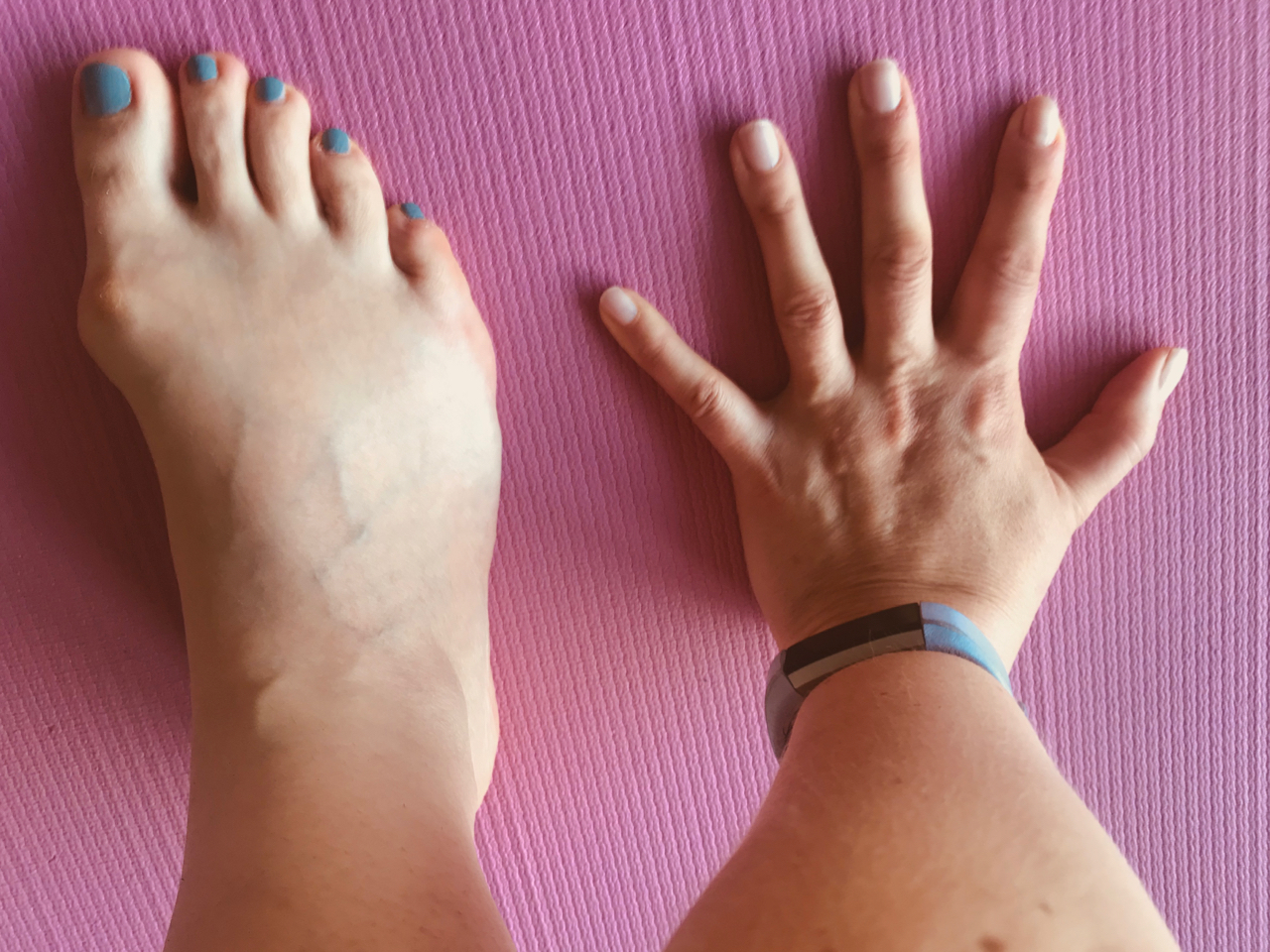 Perseverance does bring tiny improvements, which I notice because my yoga practice is the exact same sequence every single time. Last spring, after 5.5 years of practice, I got my hand down in revolved side angle pose, with my back heel down. And since this past fall I am able to get my feet and my raddled knees safely in some kind of lotus pose for a short while.
 But first, yoga (early-morning ashtanga Mysore in a quiet, wonderful studio). And then, Spanish class.
 To the buddhists, the lotus is a symbol of purity and transcendence: its feet bathe in the muddy bottom of the pond while its flowers and often leaves, too, rise into the pure air above it all. It is a reminder that one can have one’s roots entangled in mud and mess while still keeping a clear and pure mind above it all.
 This year I have been following a personal development plan which revolves around identifying negative energy inside and around me. One of its action points is to repeat to myself when needed, “I am not my emotions”. I have found myself repeating this mantra over and over again these past few months. Another action point is to KonMari incoming energies, impressions, and matters: sort them at the door and not letting every single one in. And if needed, put the newcomers in separate rooms, close the doors, and deal with them later. I have found that my mental rooms are nearing overcrowded.
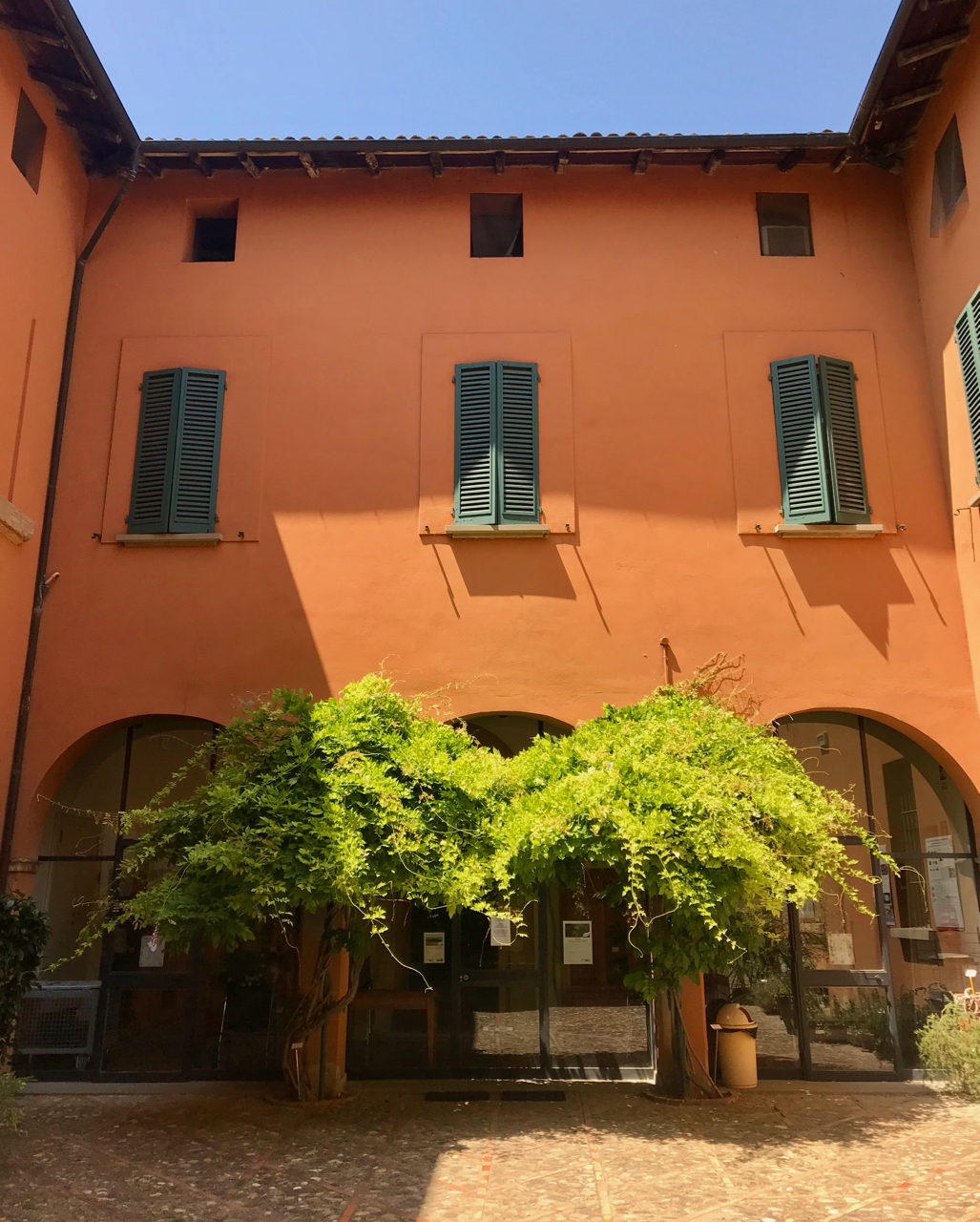 Robin Sharma says that because a lifetime is precious and finite, there is no time for negative emotions. At all. That thinking a negative thought is to waste the time it takes to think that thought. This may sound like a highly platonically theoretic view, but when I think of all the time I spent dealing with negative emotions the past year I could probably amass a few weeks of life better spent doing other things. For example fully enjoying the botanical gardens of Bologna.
 (Bologna, Italy; July 2019)
 This blue marble