
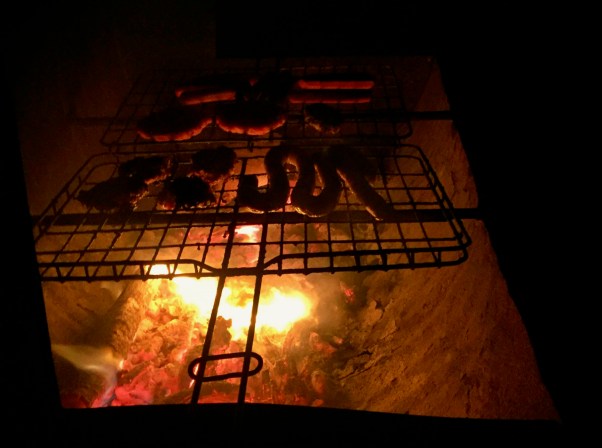
 The Namibians sure like their meat. And their barbecue, which here goes by the Afrikaans word “braai”. And what’s on the braai is most likely not pork or beef or mutton. Perhaps chicken if you are lucky, but most likely oryx, kudu, or buffalo.
Speaking of meat, if you end up buying “beef jerky” or “biltong” as it is called here, it does not even always state what kind of meat the package contains. Be prepared for mainly oryx and kudu. Those magnificent animals are reduced to air-dried meat in a plastic snack bag.
Thank goodness there are vegetarian options for the braai, as well. Lots of them.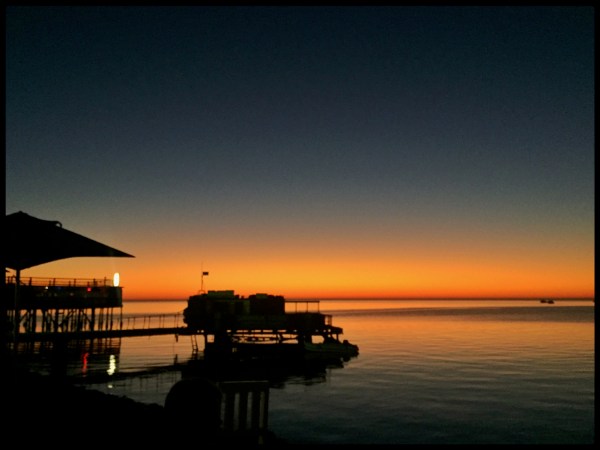 (Walvis Bay, Namibia; July 2017)
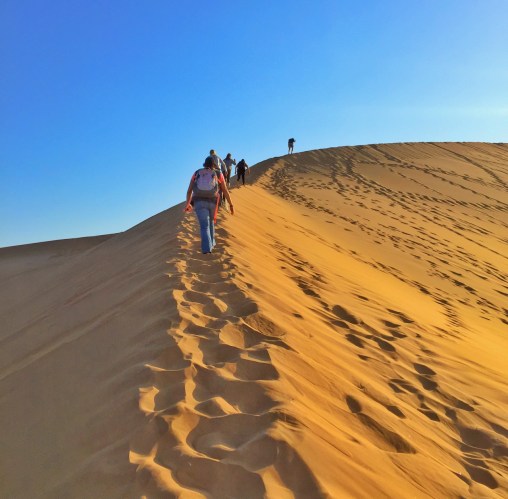 Today I was exposed to so much sand there will be sand in my belongings still one month after returning home. There is a row of dunes between Walvis Bay airport and the town. Dune 7 is the most famous one of them (why?), and does not migrate too much. It is meant to be climbed up and run or boarded down. Dune 7, like any dune, is best ascended barefoot, along the ridge. Descent happens really anywhere one prefers. It is a bizarre sight to see people, young and old, running down a 200 meter tall dune at an angle of 45 degrees without tumbling.
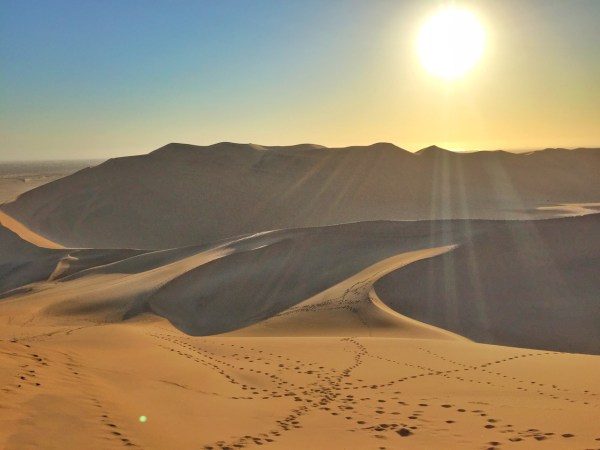 (Dune 7, Walvis Bay, Namibia; July 2017)
 There is an area in the Namib the locals call the Moon Landscape. It really does look like a moon landscape with soft craters and hills made of sand and soft-polished rock. If you scream here, it is highly likely that not a single living thing with ears will hear you.
 Most of Namibia is traditionally uninhabitable, and people have always flocked to the rivers and oases. Because the other choice is a desert with no water bordering on an ocean with too much water, and none of it potable.
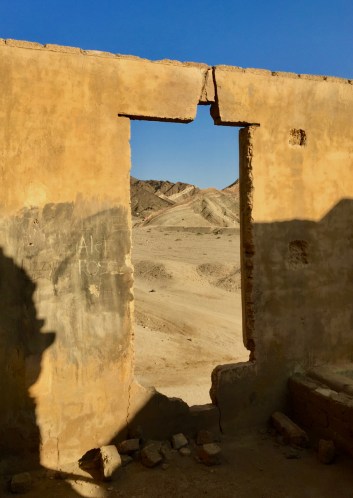 On our day drive we passed three jeeps in a junction in the middle of the wide-open desert. There were three families out on a Saturday drive, drinking beer and driving around the desert. This, and tailgate picnics, seems to be the best Saturday pastime for locals. It is as if the locals do not get enough of the hostile empty hot nothingness but actually embrace it. The human species truly is adaptable.
 (Namib desert, Namibia; July 2017)
 These days there are many drilling efforts around the coast of Namibia, lead by people believing there are great resources of oil to be extracted. Just recently, small amounts of oil were found outside of Walvis Bay. Perhaps in 5 years’ time the entire town and its industrial port will serve an entirely different function.
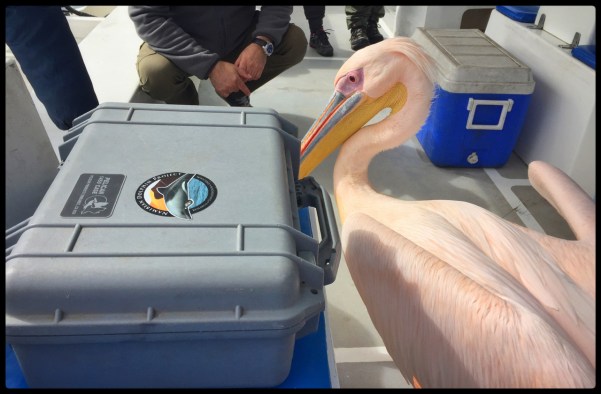 Not even a pelican can break into a Pelican Case. Thank goodness, as the cameras inside are not cheap.
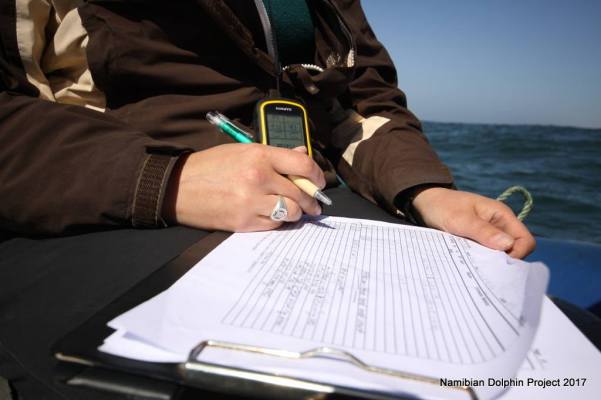 Someone has to be the data monkey, and I never really mind the job. On a rare, sunny day I do not need to wear gloves. Underneath that windbreaker are two (!) fleeces and a merino wool underlayer. Yes, this is Africa, still. And freezing cold, misty, and humid most of the time, due to the Benguela current that pulls up right from Antarctica.
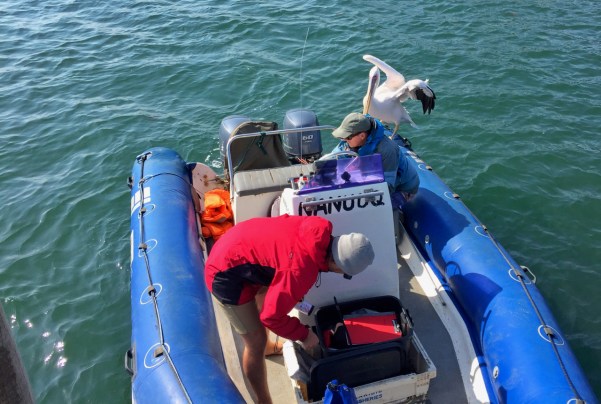 (Walvis Bay, Namibia; July 2017)
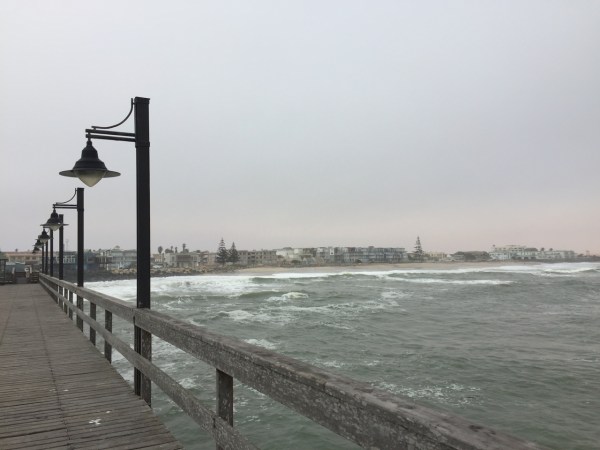 The ocean was raging today in Swakopmund: huge, furious, white-capped surf waves and a deep green undertint.
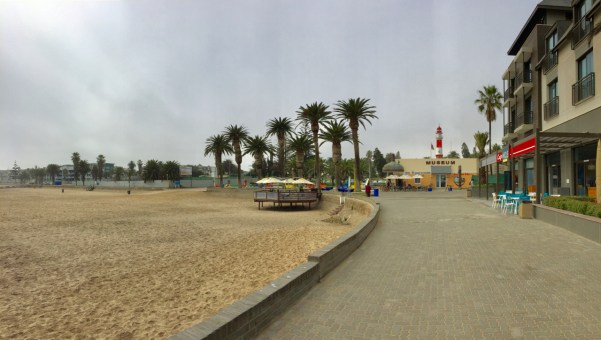 Swakopmund is a cute, little, heavily German-influenced town. It is not cozy and it has the broad, grid-like streets of an American town, but there are a couple of pedestrian shopping streets and a nice waterfront. There is even a German-owned curiosa shop stock-full with memorabilia from the German colonialization time, when Namibia was the “German Southwest Africa”. It would seem that many Germans are interested in the history of their African colony, but I could not help but wonder if it really was such a glorious and justified time as the memorabilia make it sound like?
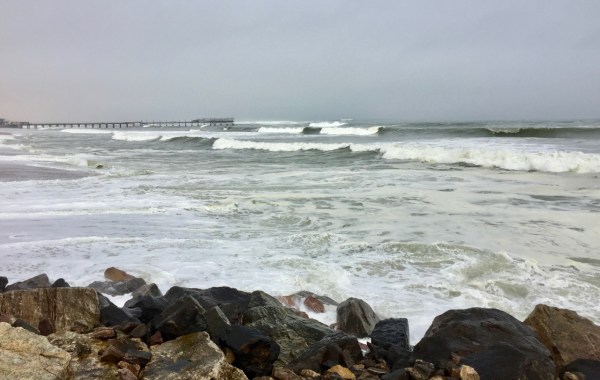 (Swakopmund, Namibia; July 2017)
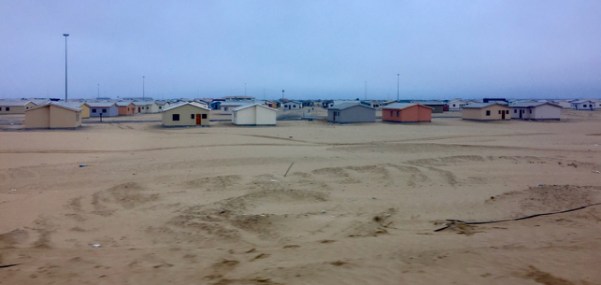 On the way to Swakopmund I finally saw how the black community of Walvis Bay live: in an endless grid of houses and sand roads, on the outskirts of town, practically in the desert. There are no watered lawns, paved roads, and flowerbeds here. Most of the houses are built by the government and given to each family, especially after Namibia became independent in 1990. They seem sturdy and alright; and my perception is that most people in Walvis Bay have work and a decent standard of living.
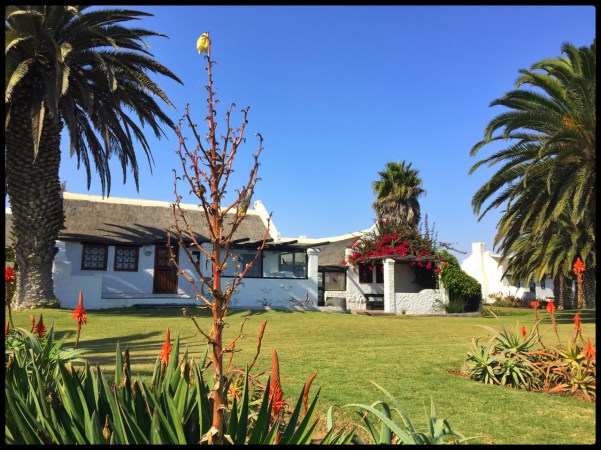 (Walvis Bay, Namibia; July 2017)
 In Walvis Bay one may not see dolphins for hours, but one is never alone. There is the Namibian Air Force, also known as great white pelicans….
 and cape fur seals, that steal joyrides on boats and ships of any size…
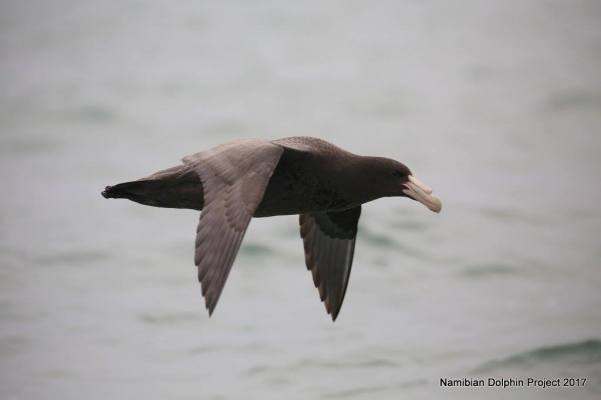 and giant petrels, and penguins. Yes, penguins. A swimming penguin looks like a drowning duck. I have no photos but please take my word for it.
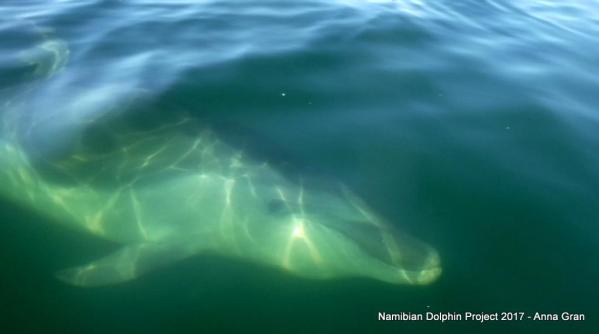 (Walvis Bay, Namibia; July 2017)
 This blue marble