This blue marble

– and yet it spins


Leave a comment

Through the flurry of snow

airportwinter-1It was a cold, dreadful morning. A blizzard morning. No heating in the plane until the engines were on. And no engines on until we had a slot for takeoff. And no slot for takeoff until the most of the morning rush was over. airportwinter-3Finally the air traffic control had mercy on us. The captain was allowed to start the engines. The wings were de-iced at the gate. airportwinter-2There was snow everywhere, and a flurry behind the tail of each departing airplane. We rushed off, and were airborne. And suddenly there was the most marvelous golden sunrise, like an old oil painting on canvas.

Sometimes all you need to do to see beauty is to raise your eyes above the flurry right ahead of you. And if you still cannot see it, try a bird’s eye view.

airportwinter-4(Helsinki, Finland; February 2016)


Leave a comment

Enjoying the silence

RamsescassandraLovely ones, apologies for the silence. You see, when this blog is silent it is because I struggle to find the time to be silent. And at the moment I also struggle to find enough capacity in my ancient MacBook to do anything else than surf on the internet.

This winter is a tough one, tougher than in years. Perhaps it has been the cold, and the snow; or perhaps it is my work schedule and countless of hours spent in airports, or simply the countless meetings with strangers, trying to appear smart and present.

While some have to work, others have to enjoy life. To each their own burden. Cats are masters of mindfulness and so was Hamlet: to be or not to be; that is the question. There is never anything in-between. But trying to be present at every moment is an exhausting practice unless one masters the way of detachment. And I have a long way to go.

What about you?

(Helsinki, Finland; February 2016)


Leave a comment

Rubens’ angels and Antwerp’s angles

antwerp-3It always rained in Antwerp. The cold was the kind of wet central European cold that penetrates any warm clothing and settles in the bones. The cobblestones were uneven to walk at and I felt sorry for generations of horses that had to negotiate them day after day until the day they died.

The old town was quiet. Most bars and restaurants were closed. I wondered where they got their business from, and when. Antwerp used to be a bustling diamond merchant city (and it still is to a sense). But nothing can be seen on the streets. The diamonds have always been hidden.

antwerp-1Hobbling on the damned cobblestone streets in my heels I thought of the kilometers of water running in channels underneath the city. Antwerp used to be like Amsterdam. Someone thought more cobblestones were a more practical solution than smooth waterways.

I passed the cathedral and thought of Rubens’ fleshy naked angels inside. In the dark and rain it seemed that Antwerp would benefit from pink fat little angels outside the cathedral as well, scattered in the city.

When I finally slipped through the doors of the hotel I thought how lovely it was that one man who lived 400 years ago is remembered by the world for his pink fat little angels. There is much love for life in the work of Rubens, something this cold, edgy world never seems to have enough of. Perhaps some angels and bare warm skin would be an effective remedy against its cold and troubles?antwerp-2(Antwerp, Belgium; January 2016)


Leave a comment

Stillness, hot ginger lemon, and Lord Nevermore

lordnevermoreThe Nepalese know it: when it is cold outside (and inside for that matter!), hot ginger lemon with honey warms better than booze. And what could be better company than a tale of faraway places, written as if it were whispered in one’s ear? A true tale about an artist and an anthropologist; two poles of the same soul, and a relationship where a planet was too small to forget about the friend, and too large to be apart.

More hot ginger lemon, please. I think I will dwell in this moment for quite a while.

(Helsinki, Finland; January 2016)


Leave a comment

The baseline

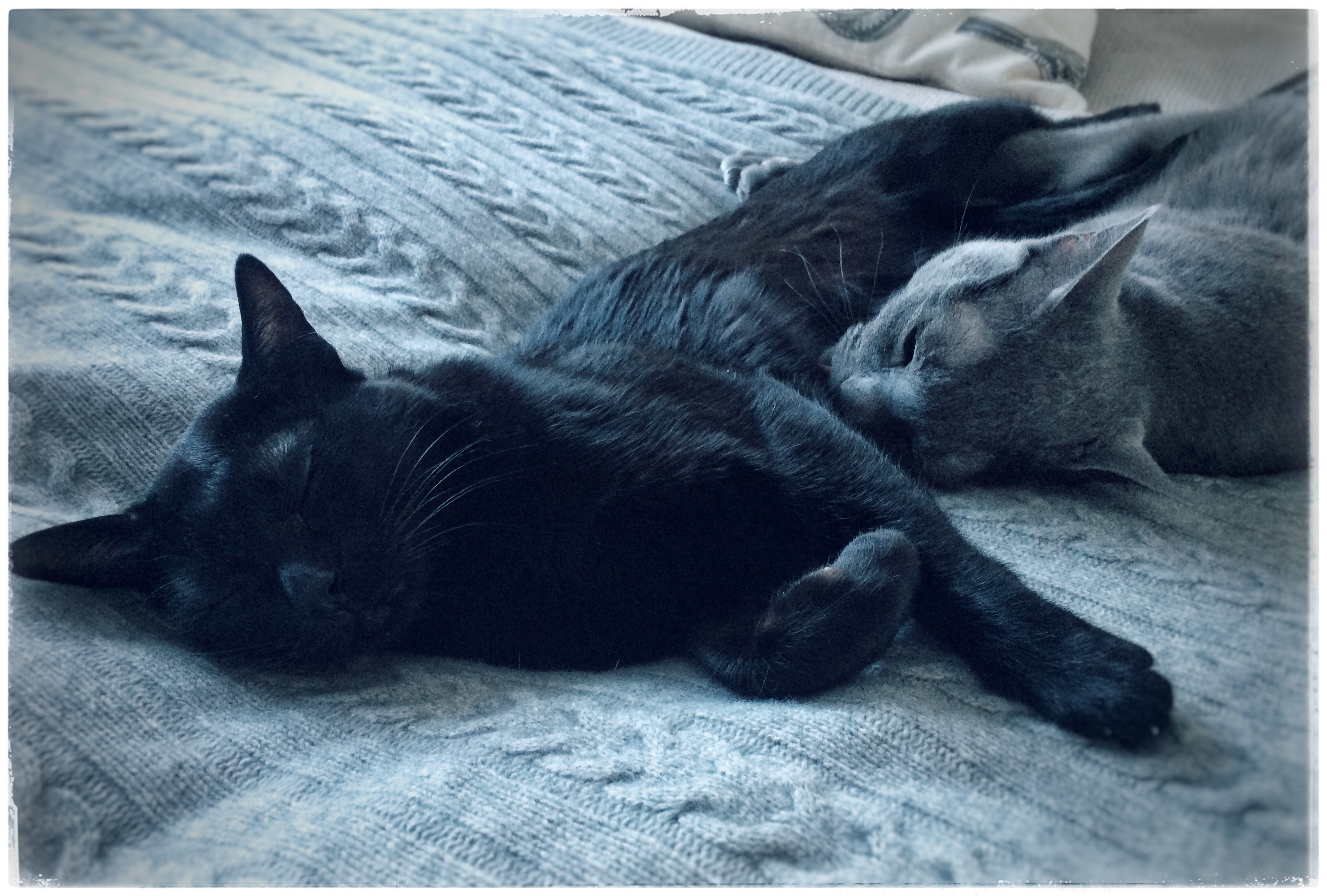
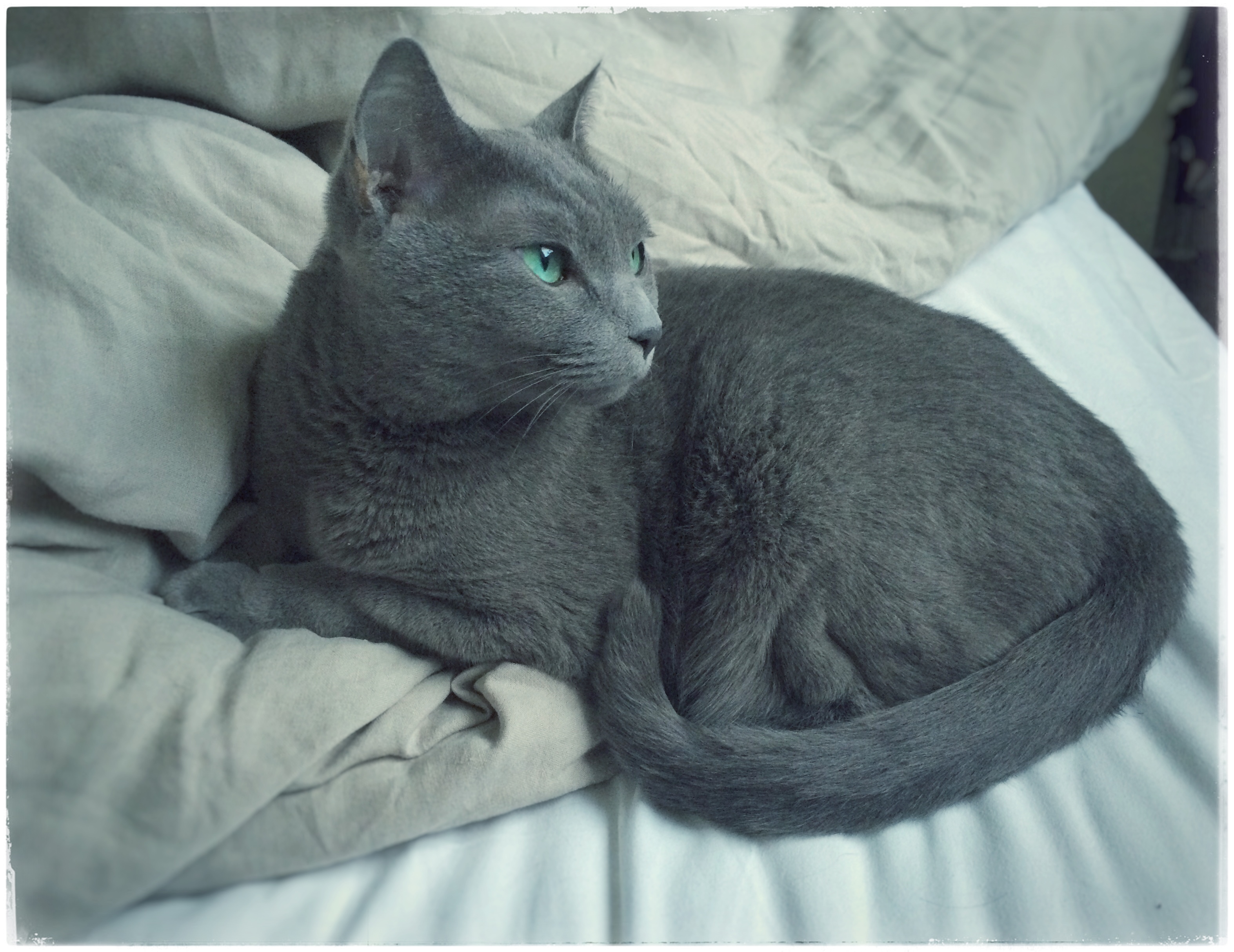
cassandraBetween the airmiles and meetings and deadlines it is imperative to find the baseline, to sleep, and to enjoy waking up late. My idol is Cassandra the Russian Blue, who sleeps about 20 hours a day, usually curled up against her friend Ramses the Bombay. And when she is not sleeping she is all concentration: from the tip of her nose to the tip of her tail she focuses on one thing only at a time. No sidesteps. Just results. And then more sleep.

Cats are masters of mindfulness.

(Helsinki, Finland; January 2016)


2 Comments

This blue marble: is it all emptiness after all?

saleve-4

For years I pulled my own existence out of emptiness.
Then one swoop, one swing of the arm
that work is over.
Free of who I was, free of presence, free of
dangerous fear, hope,
free of mountainous wanting.

The here-and-now mountain is a tiny piece of a piece
of straw
blown off into emptiness.

These words I’m saying so much begin to lose meaning:
existence, emptiness, mountain, straw: words
and what they try to say swept
out the window, down the slant of the roof.

(Rumi)

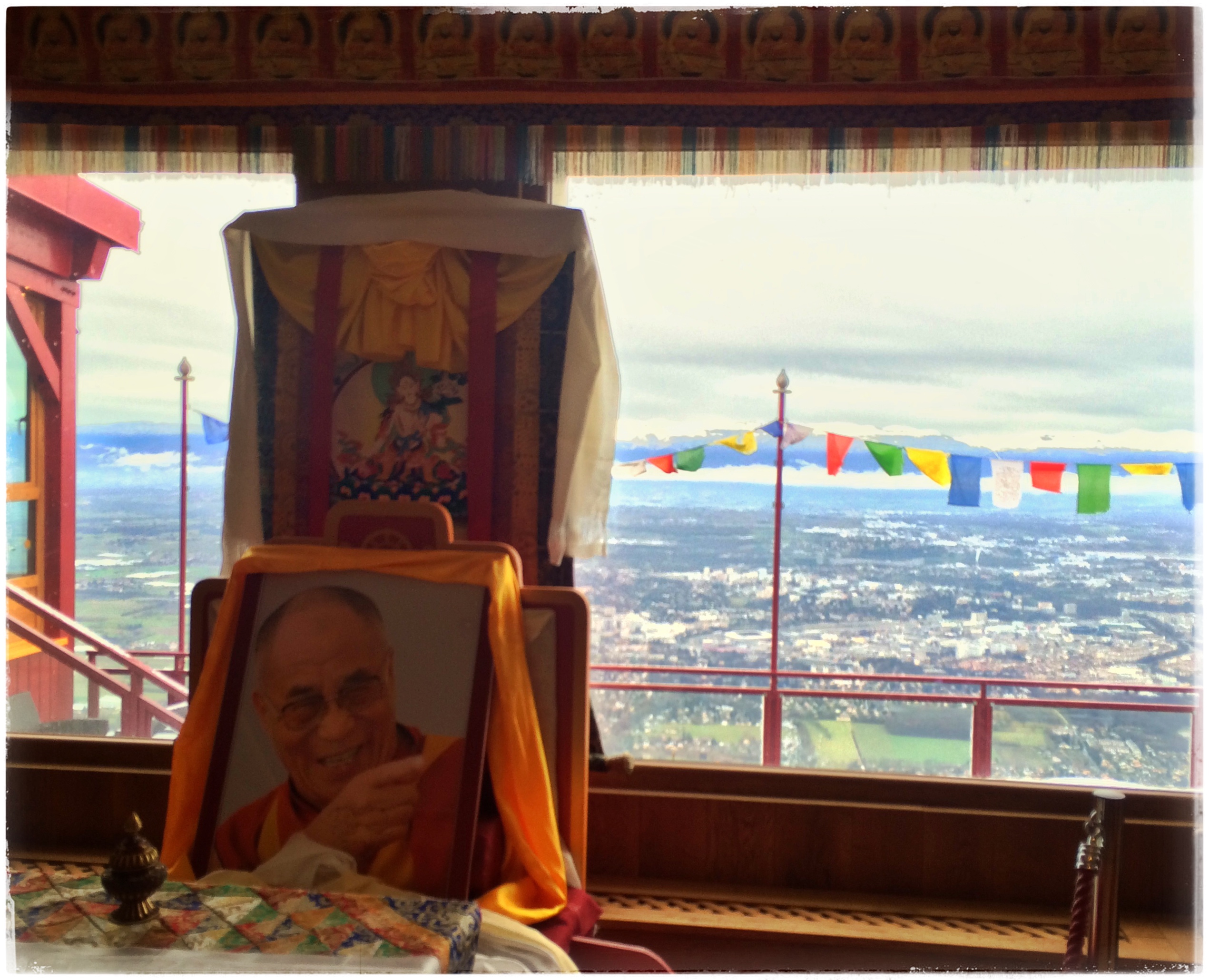
We slipped quietly in, sat dow on the cushions, and listened to the chanting monk. And I found myself unable to close my eyes; the snow-capped mountains and fluttering prayer flags were too beautiful a sight. How can one sense emptiness with eyes open and filled with beauty?saleve-3   (Shedrub Choekhor Ling monastery, Saléve, France; January 2016)


1 Comment

An ancient animal parade

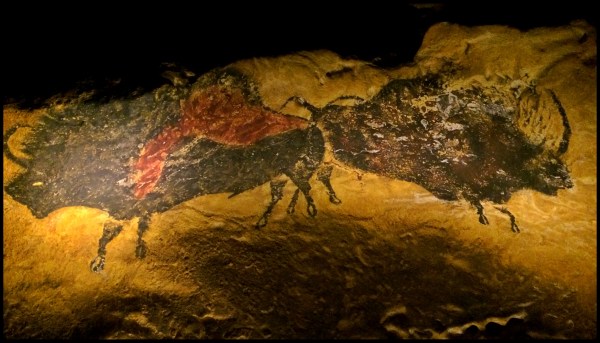
lascaux-2The light flickers on. A golden glow washes the white walls, and I am standing in the middle of Noah’s Ark running by. Deer, bison, dozens of horses great and small, ibexes, and felines rush by and I am standing in the middle of this migration. The light flickers again and turns off. An eerie black light glow lights up a completely different set of animals, carved underneath the painted ones. Hordes of running horses swish past.lascaux-3But why did our early ancestors paint animals that were not hunted every day for survival? Why did they choose to focus on these magnificent creatures that they perhaps knew less well, and from a distance? What do the geometric signs painted on and around the animals mean? The stripes on the horses, the square pattern underneath the cow?

And what was the purpose of the art? Was there any purpose, or was it for everybody’s education and joy just like an art exhibition and a museum are today? Or was this place sacred? Were people singing when painting? Is it possible to recover the ancient words and tunes from the sound vibrations transmitted from the throat to the hand holding the brush and to the painting, just like a gramophone needle reads grooves in the clay disc?

The answer is probably locked away forever. And so are the Lascaux caves, too, in a time capsule intended to preserve the art from mold and moisture. Fortunately lovely paleo-lovers have created both a real-life replica of the Lascaux right next door, as well as the marvelous exhibition showcasing the work as if on a real cave wall. It has just left Geneva but do catch it if you can, where ever it goes next. Spending a moment in the world of our ancestors 20,000 years ago is an interesting experience. lascaux-1(Palexpo, Geneva, Switzerland; January 2016)


Leave a comment

From a bird’s nest to a war zone

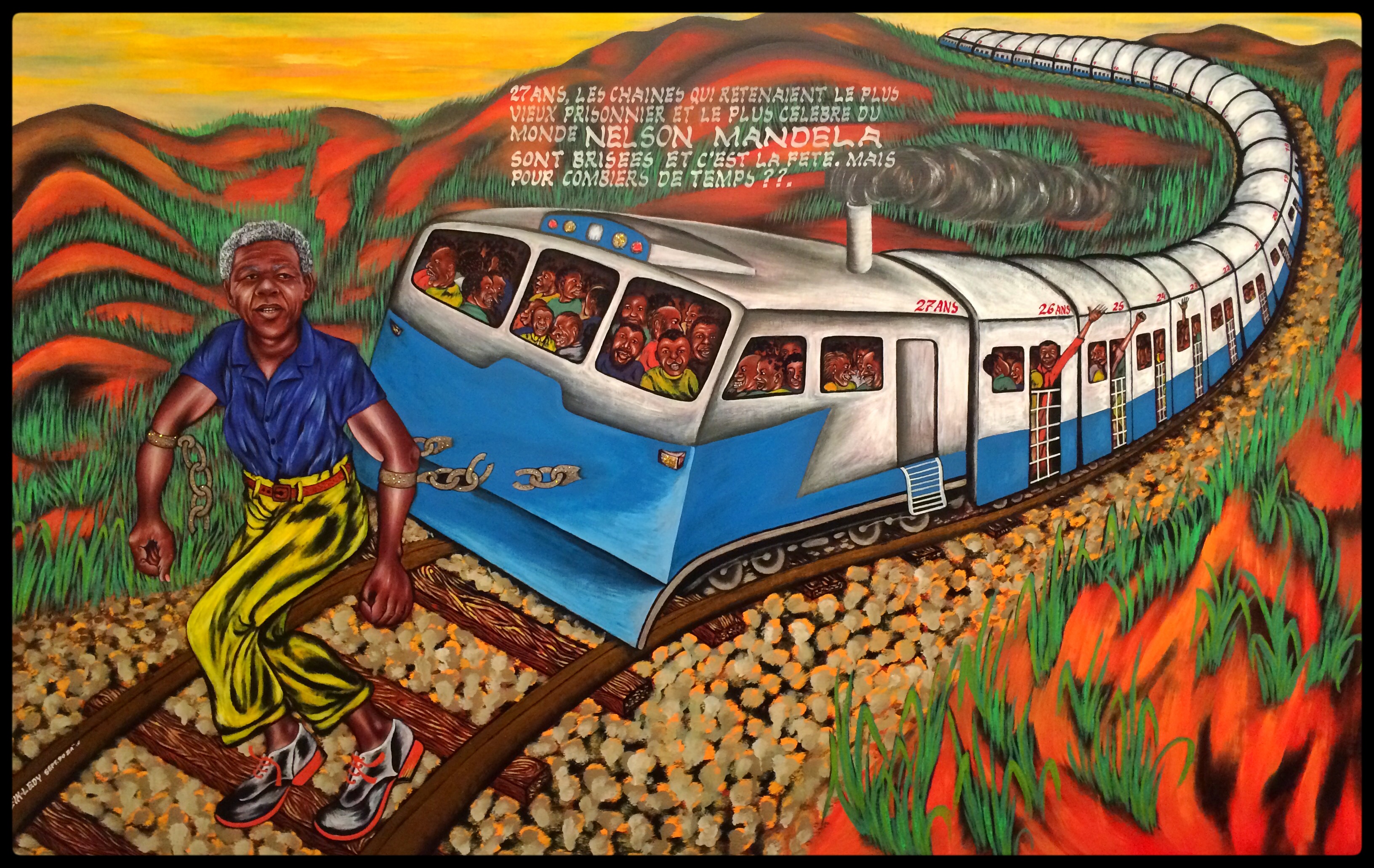
genevaconventionI did not know the Geneva Convention actually exists on paper, with seals and signatures. Well, it does, and it is displayed at the International Red Cross and Red Crescent Museum in Geneva.

I did not really ever think of what happens to families after the war. What happened to the children who got involuntarily separated from their parents in Rwanda during the genocide, or what happens to families when new borders are drawn between homes of relatives. I did not know about all the people working resiliently to restore family links.redcross-2I did not really know how the Red Cross and UN operate when visiting prisons, prisoner camps, and other conflict areas where humanity is at risk. I had no idea what a prison visit report could look like – or the lengthy discussions that took place during World War II about whether or not to react. And I did not know the International Committee of the Red Cross recently considered its inability to act as a moral failure.

I come from a country which is neutral and safe – for now. It has not always been, and it has not yet reached 100 years of independence, but safety is all my generation knows. We call our cozy country the “bird’s nest.” Even if I travel much I have never ended up in serious conflict areas. Even if I have worked with charity I have never worked with people in conflict or post-conflict zones.

I do not know much of the protective and humanitarian actions that happen behind the curtains of the 10 o’clock news. But after visiting the International Red Cross and Red Crescent Museum I know a little bit more – and I am deeply touched. redcross-1(Geneva, Switzerland; January 2016)