
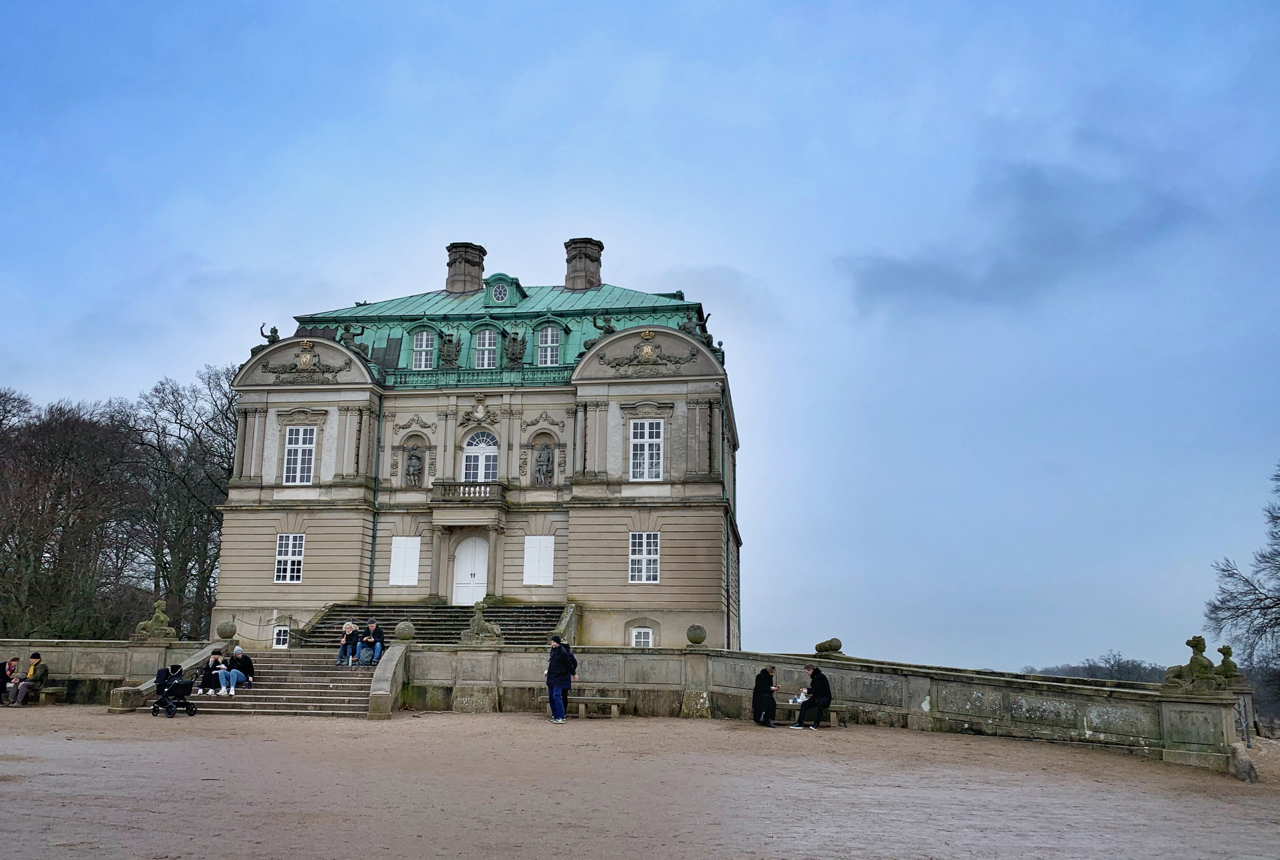
Danes sure love deer, and deer parks are a thing in Denmark. So much that the three large hunting grounds in the North of Zealand have become a UNESCO world heritage site for medieval par force hunting of the nobility (where animals were worn out by horse and dogs and then killed).
Half an hour’s bike ride up the coast brought us to Jaegersborg Dyrehave (the Hunter’s Castle Deer Park). First created by King Christian in the 17th century, it consists of a network of roads and paths, unfortunately giving the animals little shelter from hunting parties – and today, visitors of the park. Perhaps, during 350 years, the deer have grown accustomed of this way of living, as today their headcount is more than two thousand.
The park is vast and best explored by bike or horse-drawn carriage. In the winter, the scraggly hawthorn trees spread out over the decaying ground like they were modeling for a gothic romantic painting, and the hunting lodge looks like Edgar Allan Poe’s favorite weekend haunt.
And yet, somewhere underneath it all lie yellow and white anemones and fresh green beech leaves in wait.

(Jaegersborg Dyrehave, Denmark; January 2021)


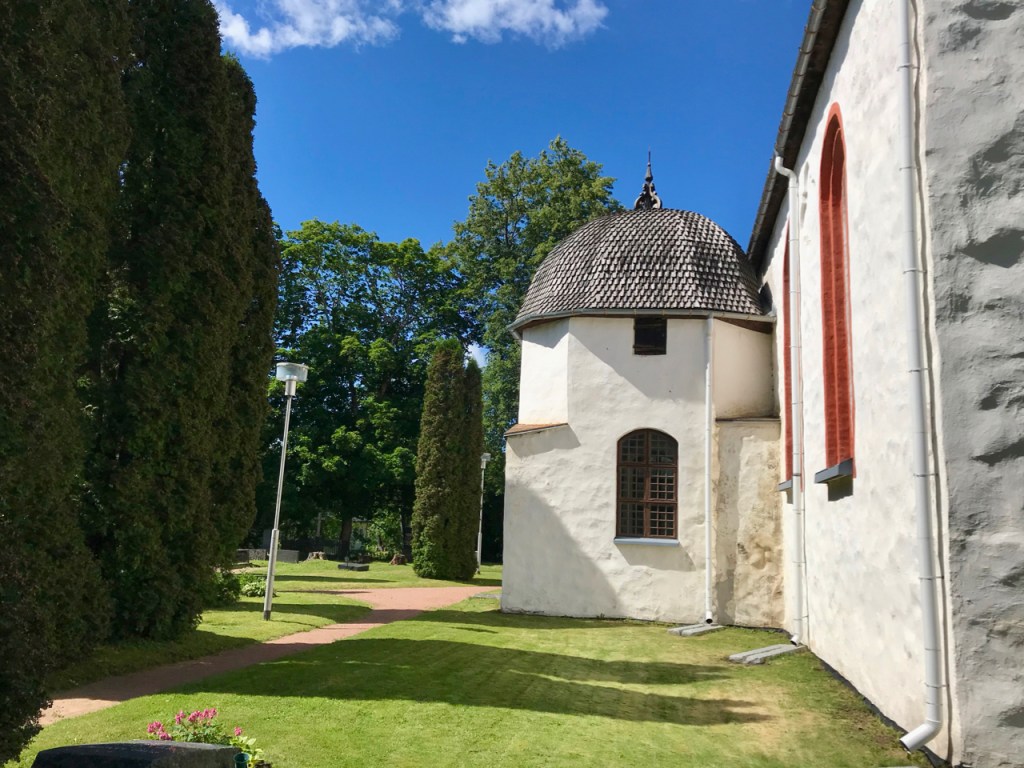
 Right out there, outside of Kotka, a huge sea battle raged in 1790. Swedish forces sank 80 Russian ships, even if Sweden was severely outnumbered. It was the largest naval battle in the history of the Baltic Sea. It was also caused by a king who wanted to prove himself to be as great as the past kings he admired so much – and to shift the attention away from the problems he had in his own country.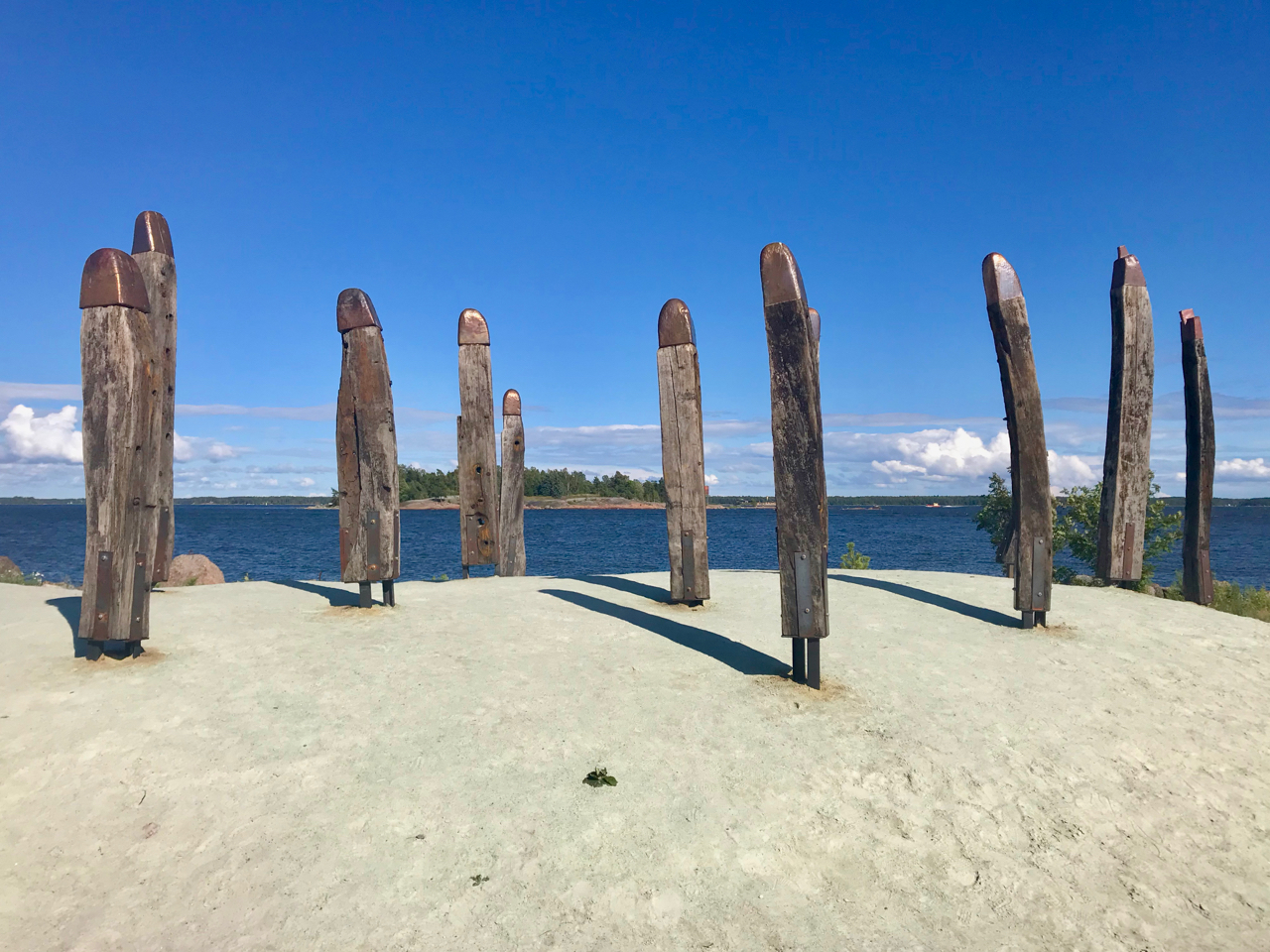
 The tip of Kotka is now a beautiful maritime park, with gardens, sheep, picnic grounds, and an ice cream stand which always has a long line during sunny days. And it is difficult to imagine the countless ships, cannons, and human bones lying on the bottom of the sea, where it not for the soldier-like ship timber erected by the waterfront as a memorial for the (arguably quite meaningless) great battle.
 (Kotka, Finland; July 2020)
 In London there once was a General Lying-In Hospital. Sounds like heaven for busy workers. Or those with coronavirus. Yet, Google tells me that “lying-in” actually once meant childbirth. Was the actual mental image of childbirth so sensitive that it had to be referred to indirectly?
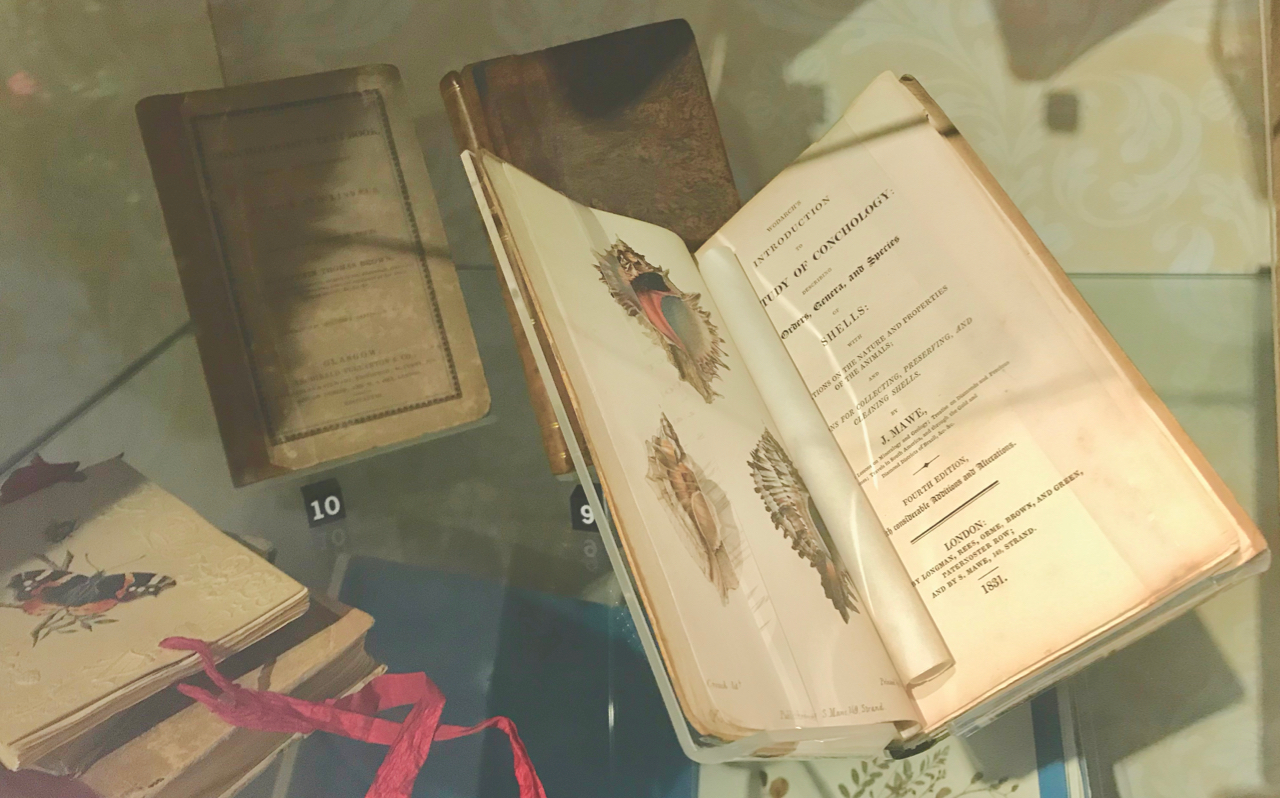 Today I discovered that Florence Nightingale loved Nature as a child. She would collect plants and identify every kind of living creature, aided by the books she received from her parents. But in Victorian times, women could not become naturalists unless they were depraved of all close kind, like Mary Kingsley. Or unless they became painters, chasing the jungles in search of exotic flowers, like Marianne North. Becoming a medical doctor (a “surgeon”) was an even more preposterous notion.
 (London, United Kingdom; February 2020)
 In the middle of the forest lies yet another over thousand years old monastery. Galicia is practically
 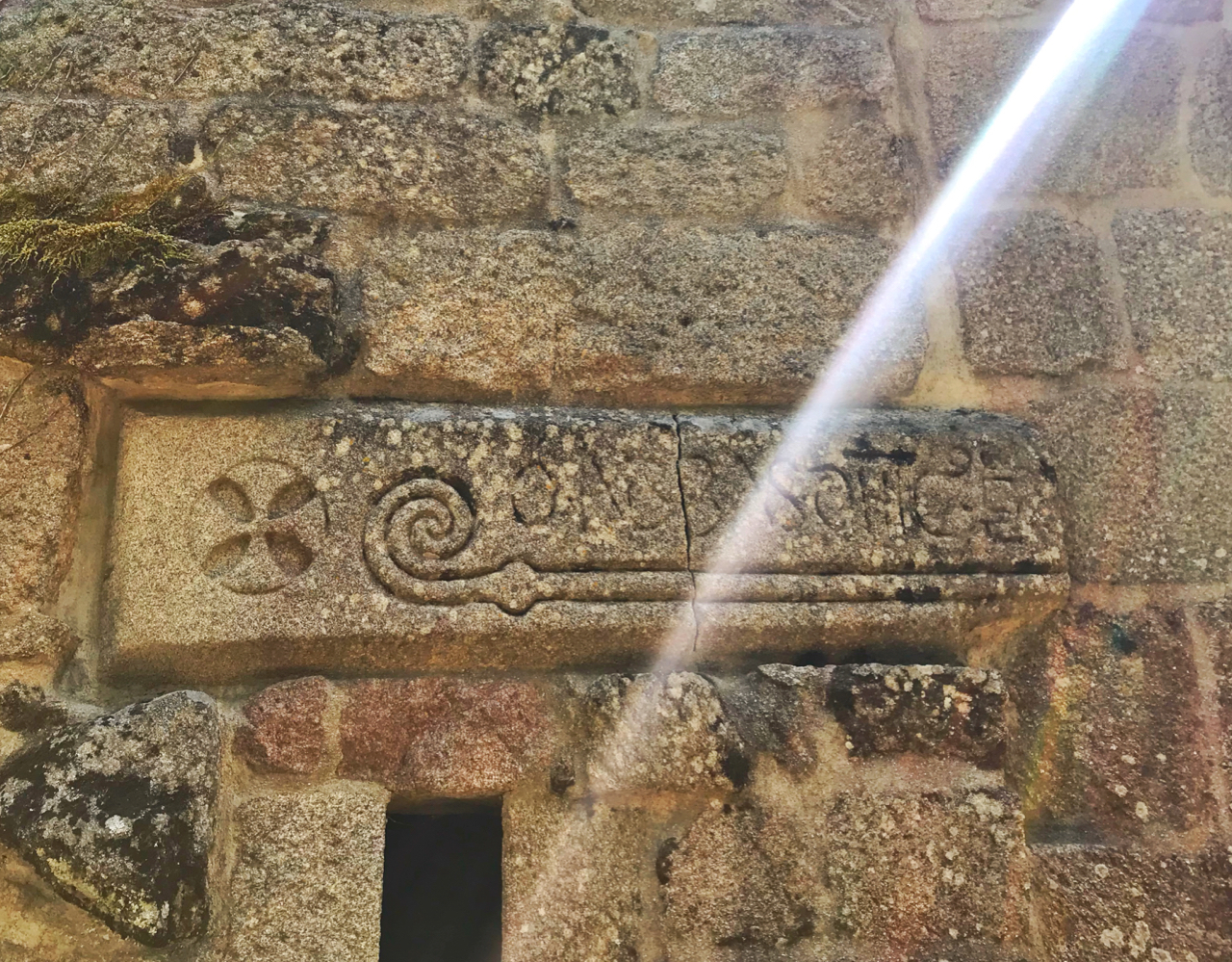 (Galicia, Spain; September 2019)
 Born in 1495, the university of Santiago de Compostela is one of the oldest still functioning universities in the world. Initially it was the local archbishop Fonseca who thought that knowledge should be properly cultivated in his local hoods. And so he opened his swanky family palace to serve students and education. That was obviously not good enough as he ended up founding an entire university. The Fonseca college is still functional today – and a charming place to visit.
 Bologna was once a Roman city. It is easy to see this from above: all streets lead to the central square (and one presumably to Rome). But Bologna is older than Rome: it was originally the home town of many Etruscans.
  Each city has a local flavor of oddity. Bologna’s flavor is a penchant for building towers. Up to 100 towers in the late medieval ages, historians have concluded. Why? Who knows, but certainly one ruler would not have budgeted for all those towers so there must have been quite a few builders. Perhaps it was fashionable to have a tower in one’s backyard, ensuring that the family was viewed as having sufficient importance?
 (Bologna, Italy; July 2019)
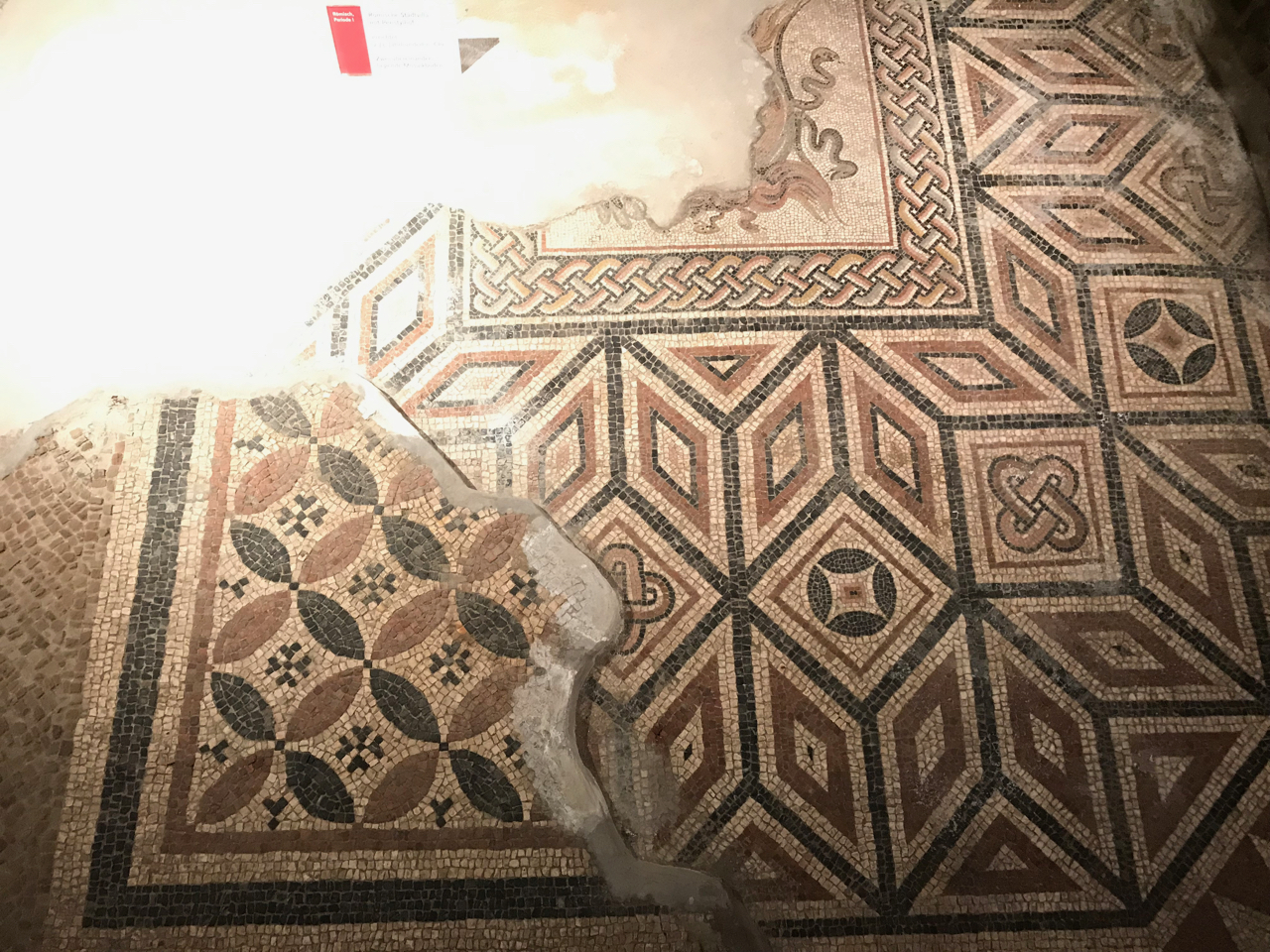 Deep under the cathedral of Salzburg, one lucky team of archeologists discovered old Roman street pavings and house floors. What a thrilling sight it must have been, to slowly brush away dirt and debris from what once was the surface of the city.
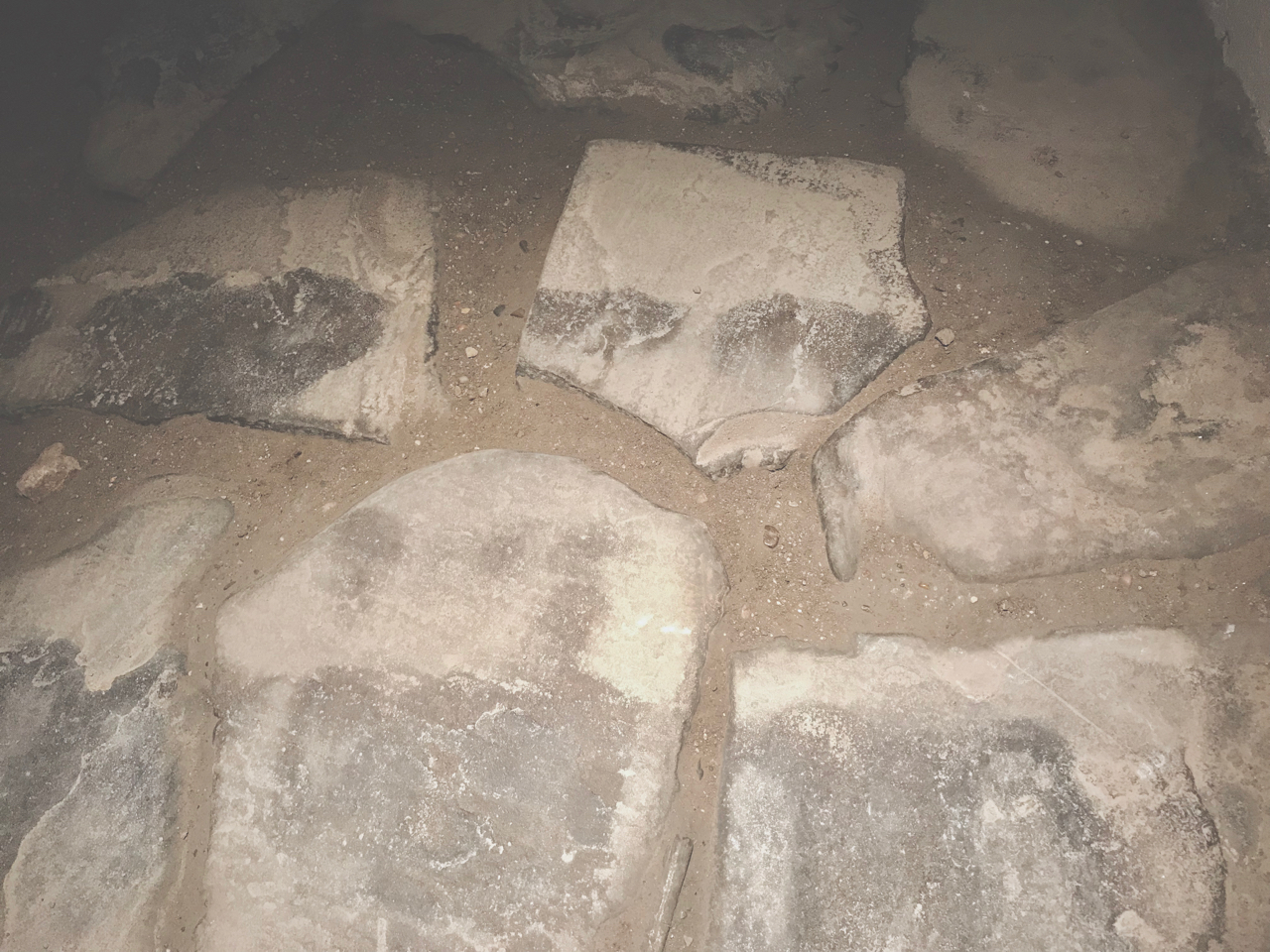 (Salzburg, Austria; July 2019)
 This blue marble