Oh! I have slipped the surly bonds of Earth
And danced the skies on laughter-silvered wings;
Sunward I’ve climbed, and joined the tumbling mirth
Of sun-split clouds, — and done a hundred things
You have not dreamed of — wheeled and soared and swung
High in the sunlit silence. Hov’ring there,
I’ve chased the shouting wind along, and flung
My eager craft through footless halls of air… .Up, up the long, delirious burning blue
I’ve topped the wind-swept heights with easy grace
Where never lark, or ever eagle flew —
And, while with silent, lifting mind I’ve trod
The high untrespassed sanctity of space,
Put out my hand, and touched the face of God.(John Gillespie Magee, Jr)
Tag Archives: poetry
Thoughts of January in February
The days are short,
The sun a spark,
Hung thin between
The dark and dark.Fat snowy footsteps
Track the floor.
Milk bottles burst
Outside the door.The river is
A frozen place
Held still beneath
The trees of lace.The sky is low.
The wind is gray.
The radiator
Purrs all day.
(John Updike)
(Helsinki, Finland; February 2016)
This blue marble: is it all emptiness after all?
For years I pulled my own existence out of emptiness.
Then one swoop, one swing of the arm
that work is over.
Free of who I was, free of presence, free of
dangerous fear, hope,
free of mountainous wanting.The here-and-now mountain is a tiny piece of a piece
of straw
blown off into emptiness.These words I’m saying so much begin to lose meaning:
existence, emptiness, mountain, straw: words
and what they try to say swept
out the window, down the slant of the roof.(Rumi)
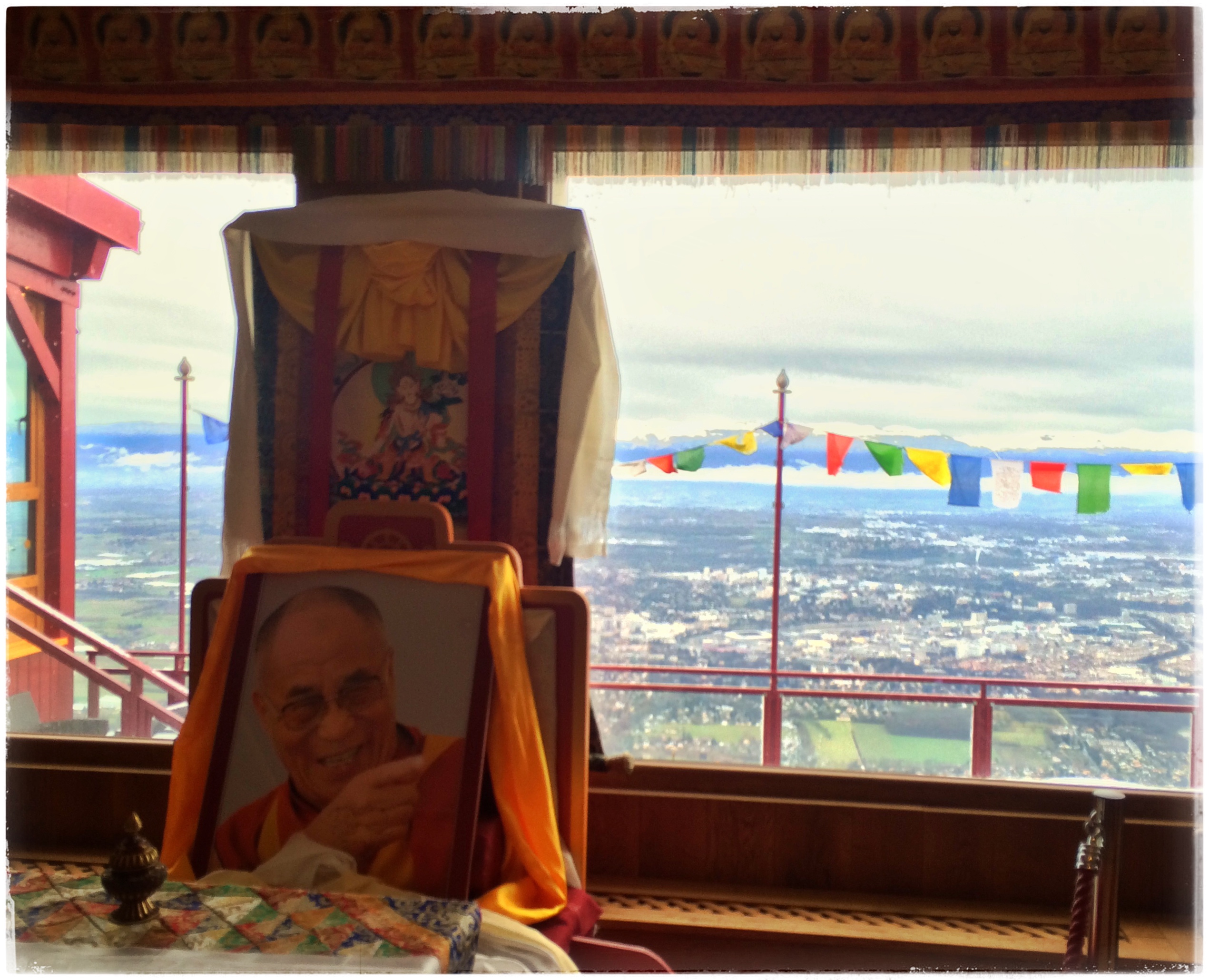
We slipped quietly in, sat dow on the cushions, and listened to the chanting monk. And I found myself unable to close my eyes; the snow-capped mountains and fluttering prayer flags were too beautiful a sight. How can one sense emptiness with eyes open and filled with beauty?
(Shedrub Choekhor Ling monastery, Saléve, France; January 2016)
Stands the Church clock at ten to three? And is there honey still for tea?
would I were
In Grantchester, in Grantchester! –
Some, it may be, can get in touch
With Nature there, Or Earth, or such.
And clever modern men have seen
A Faun a-peeping through the green,
And felt the Classics were not deadBut these are things I do not know.
I only know that you may lie
Day-long and watch the Cambridge sky,Until the centuries blend and blur
In Grantchester, in Grantchester ….(Rupert Brooke)
Happy to be back in Cambridge. Rupert Brooke felt it, too, as he longed for Cambridge and Grantchester meadows from his apartment in Berlin in the spring of 1912.
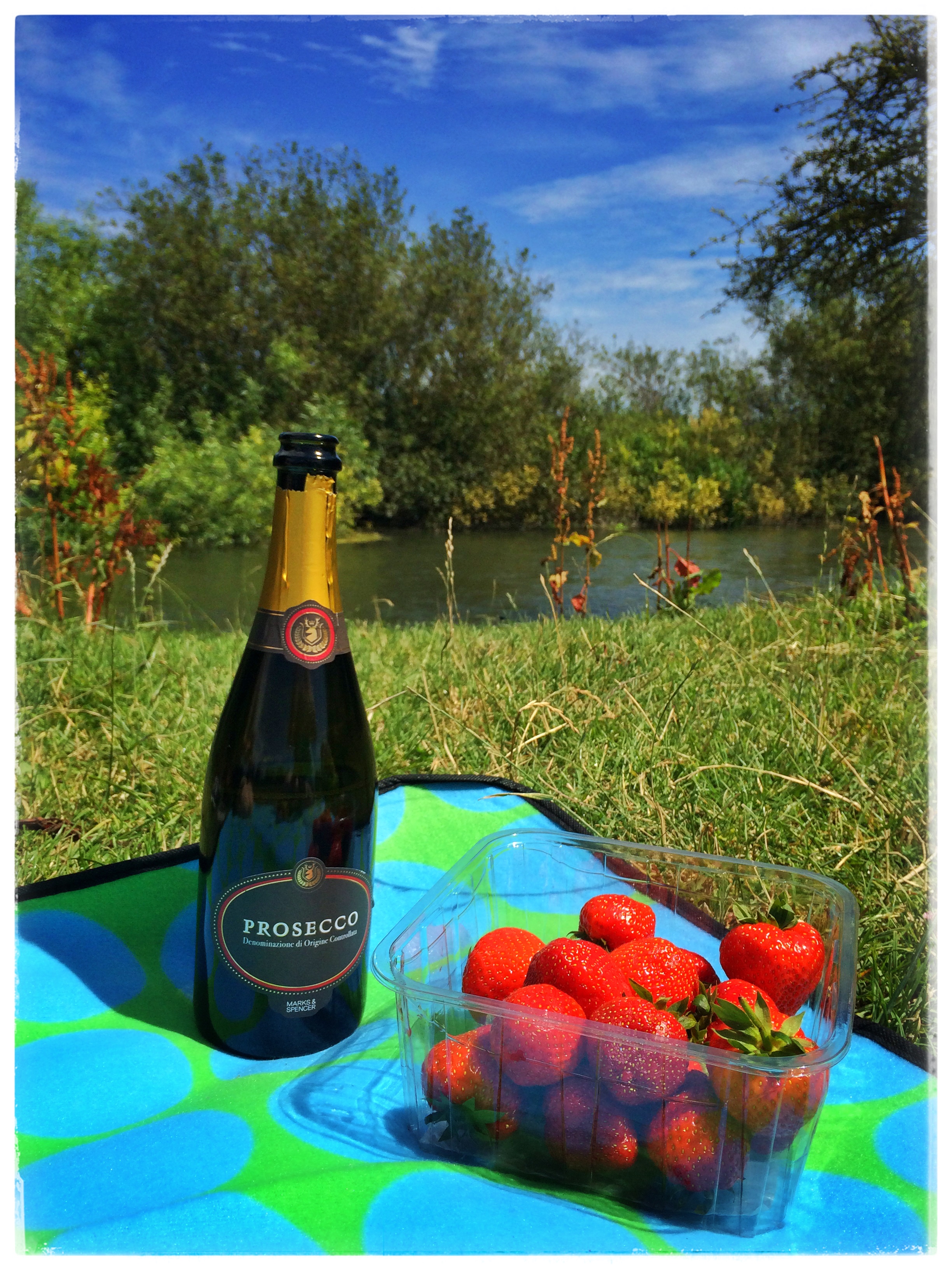
103 years later we ditched our luggage with all their Polish dust at the hotel, grabbed Prosecco and strawberries and the picnic blanket and headed for Grantchester meadows, river Cam, and the summer sun.
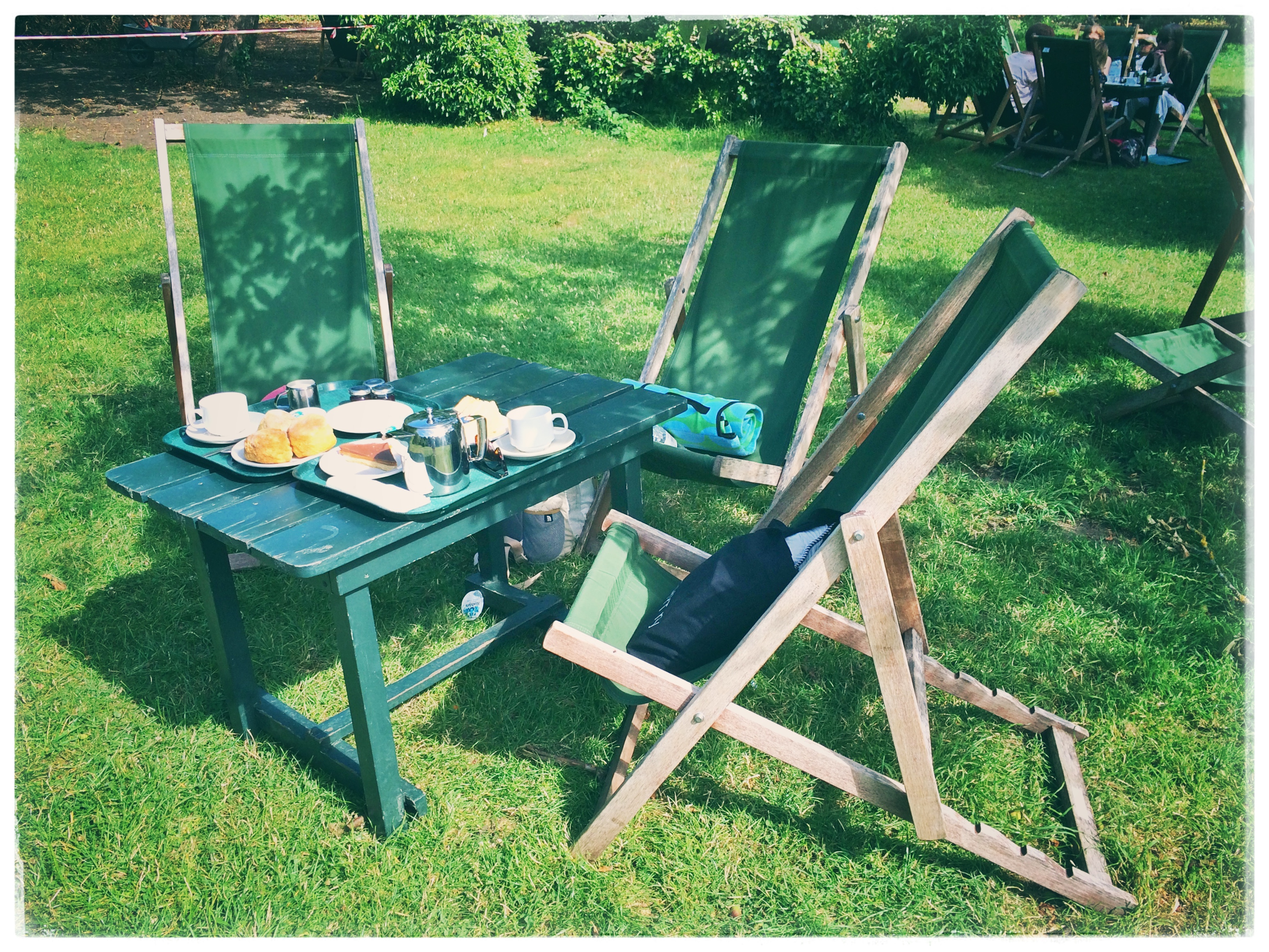
Hours later, heavy from soaking up the sun, we climbed over the cow fence into the Orchard at Grantchester, where Brooke and his friends Virginia Woolf, E. M. Forster, John Maynard Keynes, Bertrand Russell, and Ludwig Wittgenstein once used to sit and repair the world with the power of thought, word, and verse.
The church clock may no longer stand at ten to three, but there is always honey for tea – and fresh scones with jam and clotted cream.
(The Orchard tea garden, Grantchester, United Kingdom; July 2015)
Summer just below the Arctic circle
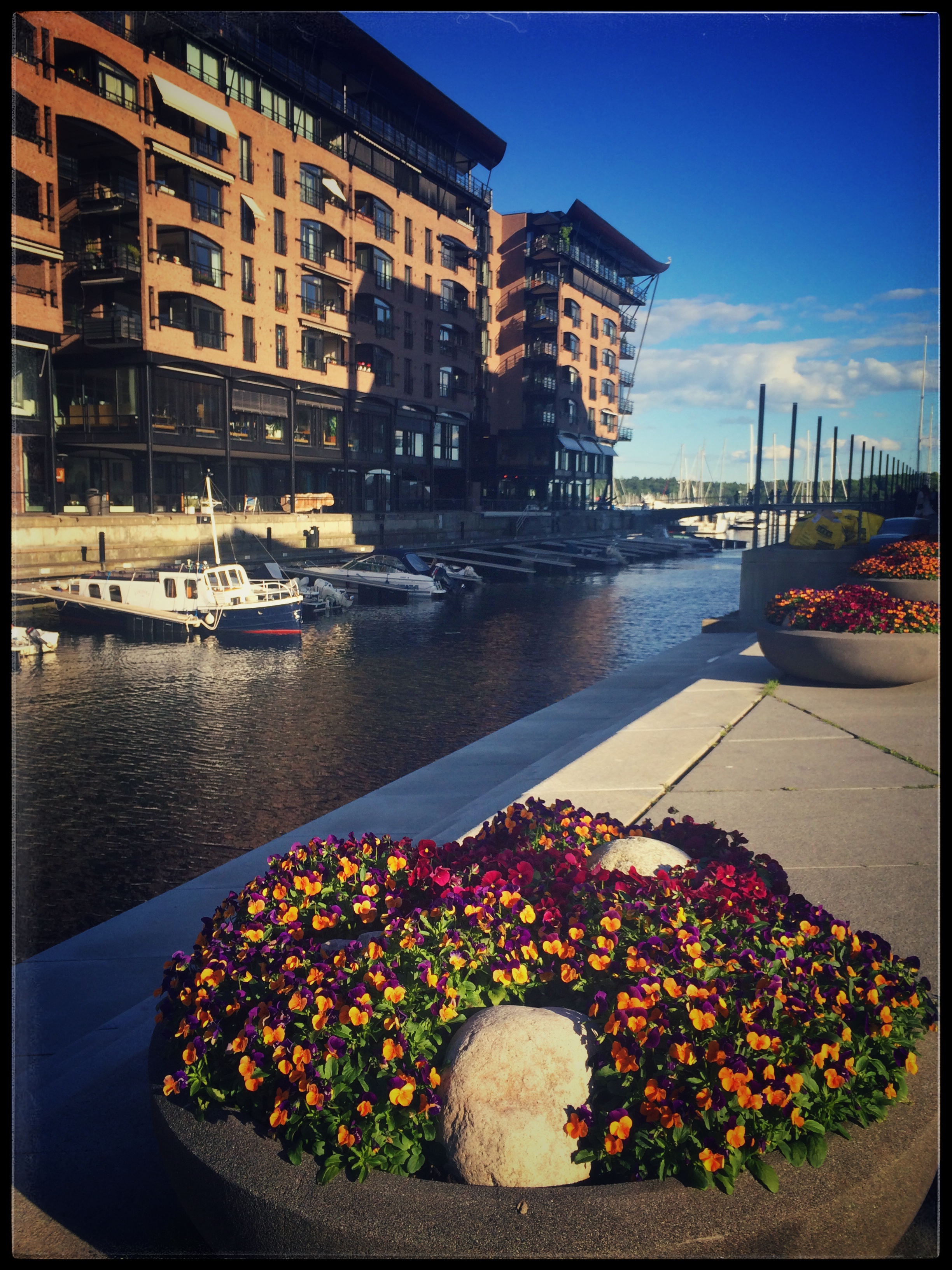
On summer nights it is easy to forget that we are barely below the Arctic circle. That just six months ago the day was less than 6 hours long on Helsinki latitude, and not many minutes longer on Oslo latitude. That the Oslo fjord was frozen, Holmenkollen ski jumps busy with daredevils, and there were no ice cream stands and flower arrangements on Aker Brygge.
The Nordic summer is short and bright, and the Nordic people live, live, live through the summer to sleep, sleep, sleep through the winter. There is no in-between. It is do or die, and on this summer night we did do: a splendid sunset dinner on Tjuvholmen.
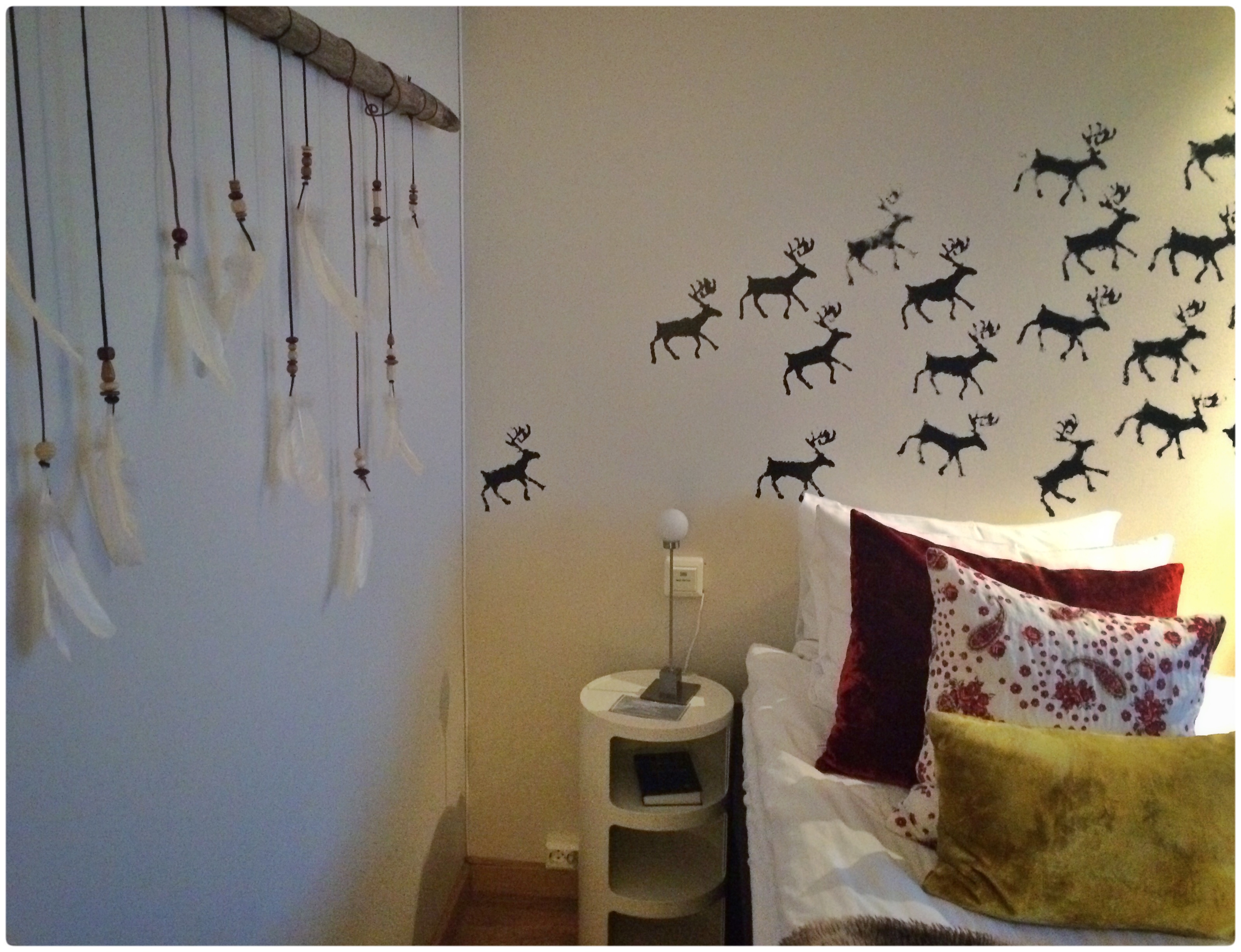
And what a surprise when the hotel key fit the Arctic Room at the Ladies’ Floor of the Grand Hotel. There were reindeer hides and horns, a dream catcher on the wall, and Sami yoik music in the CD player. There were the lovely Sami poet Nils Aslak Valkeapää’s writings waiting by my bedside. Sleep swept me away and I did not even have the time to count the reindeer on the wall.
the landis differentwhen you have lived therewandered
sweatedfrozen
seen the sunset risedisappear return
the land is differentwhen you knowhere arerootsancestors
(Nils Aslak Valkeapää)
(Oslo, Norway; June 2015)
About cherry blossoms and the brevity of it all
If there were no cherry blossoms in the world
My mind would be peaceful(Fujiwara Norihira)
When cherries bloom, the Japanese celebrate the beauty and fleeting nature of life. Not life as a continued existence, or life as an eternal soul. But life as that short moment of seven days where a cherry blossom opens, blooms, and drops its petals to the ground like snowfall. Life that, after blooming, has yielded a fruit and another life.
We Westerners mostly celebrate life without including its end, whatever it may be. Death, or transit to rebirth, is always a separate subject for attention. Standing under the pink cherry blossom boughs I wondered how it would feel to celebrate life, including the brevity of life as we know it. And yet, most of the sakura poetry I have stumbled upon is concerned with that brief moment when a cherry blossom petal falls to the ground. Life is uncertain, and the petal knows no more of its destiny than do we humans of our own fates.
A fallen blossom
Returning to the bough, I thought –
But no, a butterfly(Arakida Moritake)
(Hanami festival, Helsinki, Finland; May 2015)
Phanom Rung
Prisoner of Chillon
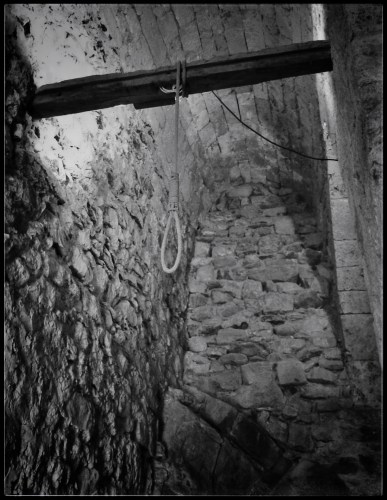
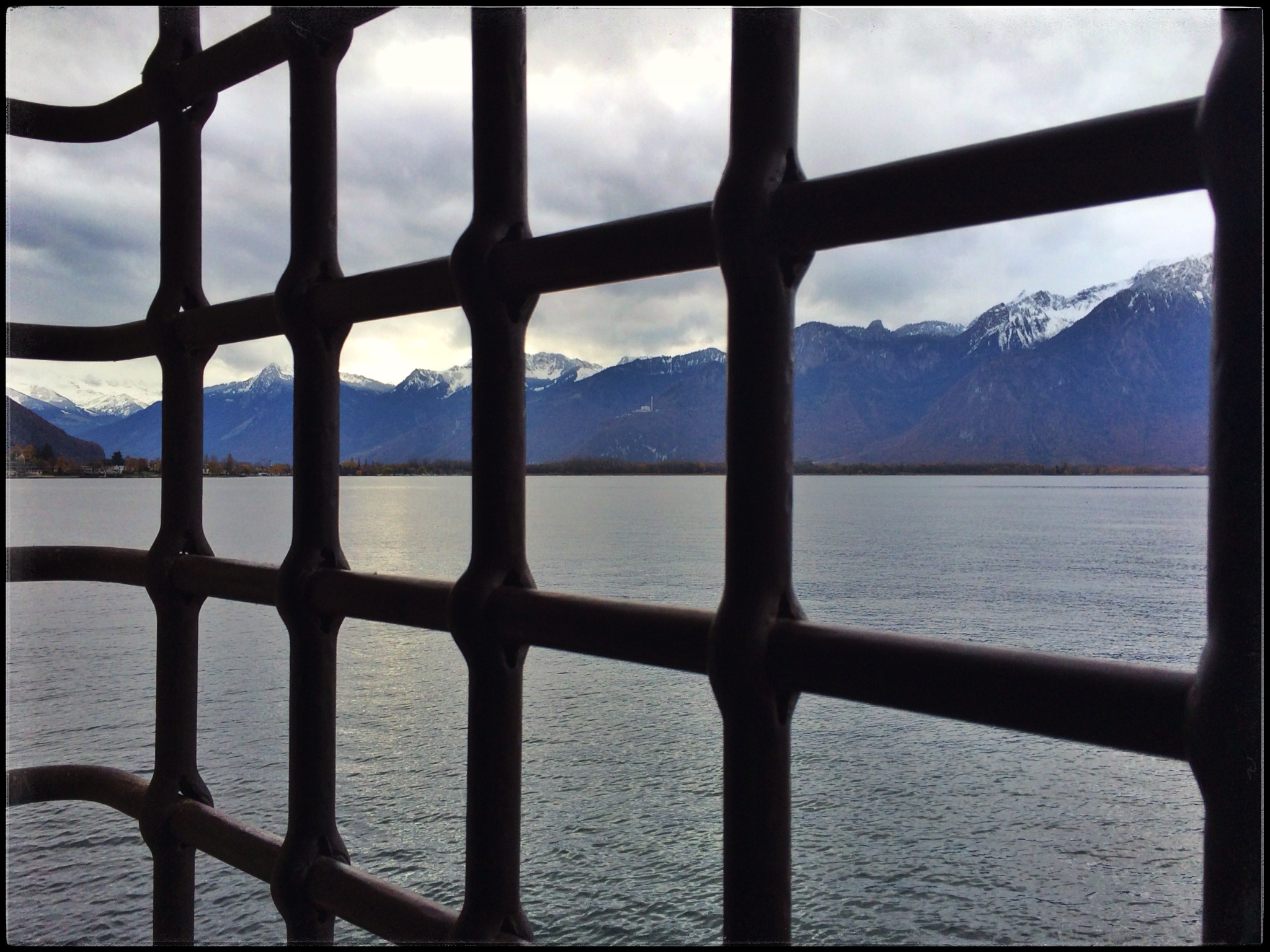
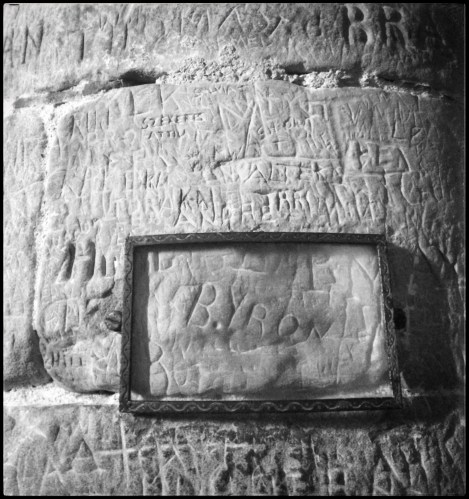
We reached the bottom of the staircase and stepped into a gloomy vault. Seven pillars held up the ceiling, barely lit by the lost rays of light that from time to time bounced into the dungeon. How dreadful it must have been for François Bonivard to sit here for six years, chained to one pillar. And how dreadful it is that once again the cause was that of faith; or supporting the Protestant reformation.
Lord Byron recognized the scent of drama, too, and it grew on him during the rainy, unforgettable “Year Without a Summer” of 1816. Oh, the most fantastic tales he, Polidori, and Mary and Percy Shelley conjured! Frankeinstein, Vampyre – and a curious, gloomy poem about a forgotten soul withering in the dungeon of chateau Chillon.
Perhaps Byron sat in the vault for hours. Perhaps he imagined what it must have been like to be chained to a pillar, believing oneself to be trapped below the water level. Perhaps he found nobility in that limbo between no-life and nothingness. As I thought of the selection of chilling stories chateau Chillon has collected during the centuries, I could not help but wonder why he chose to befriend the thoughts of a libertine prisoner who ended up free, instead of growing a liking to the sad fate of the many women tortured and then burned as witches in the courtyard? 
A double dungeon wall and waveHave made—and like a living graveBelow the surface of the lakeThe dark vault lies wherein we lay:We heard it ripple night and day;Sounding o’er our heads it knock’d;And I have felt the winter’s sprayWash through the bars when winds were highAnd wanton in the happy sky;And then the very rock hath rock’d,And I have felt it shake, unshock’d,Because I could have smiled to seeThe death that would have set me free.(Lord Byron)
Falling
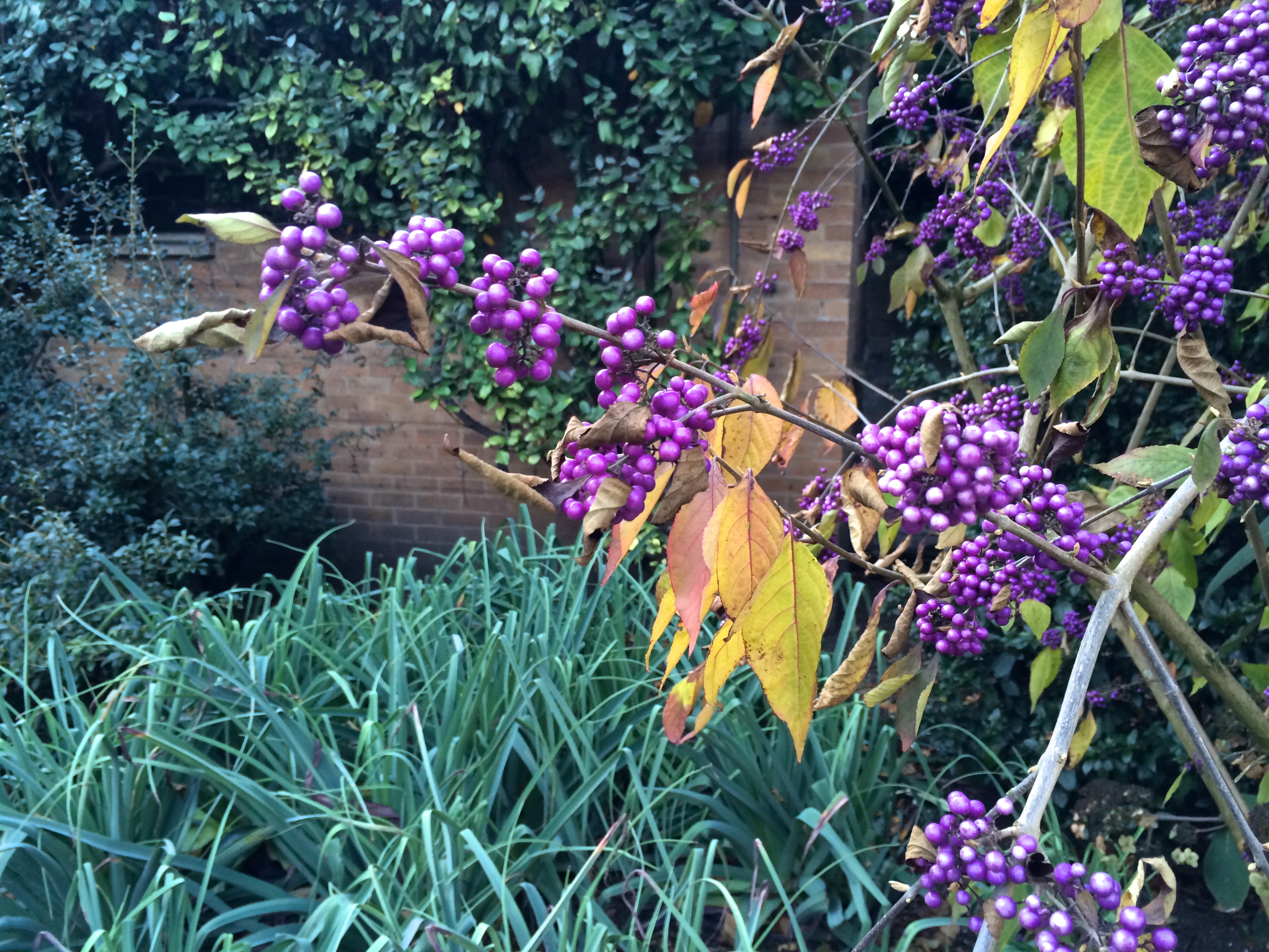
The leaves are falling, falling as if from far up,
as if orchards were dying high in space.
Each leaf falls as if it were motioning “no.”
And tonight the heavy earth is falling
away from all other stars in the loneliness.
We’re all falling. This hand here is falling.
And look at the other one. It’s in them all.
And yet there is Someone, whose hands
infinitely calm, holding up all this falling.(Rainer Maria Rilke)
(Cambridge, UK; October 2014)
My kind of candy land
We had a kettle; we let it leak:
Our not repairing made it worse.
We haven’t had any tea for a week…
The bottom is out of the Universe.– Rudyard Kipling
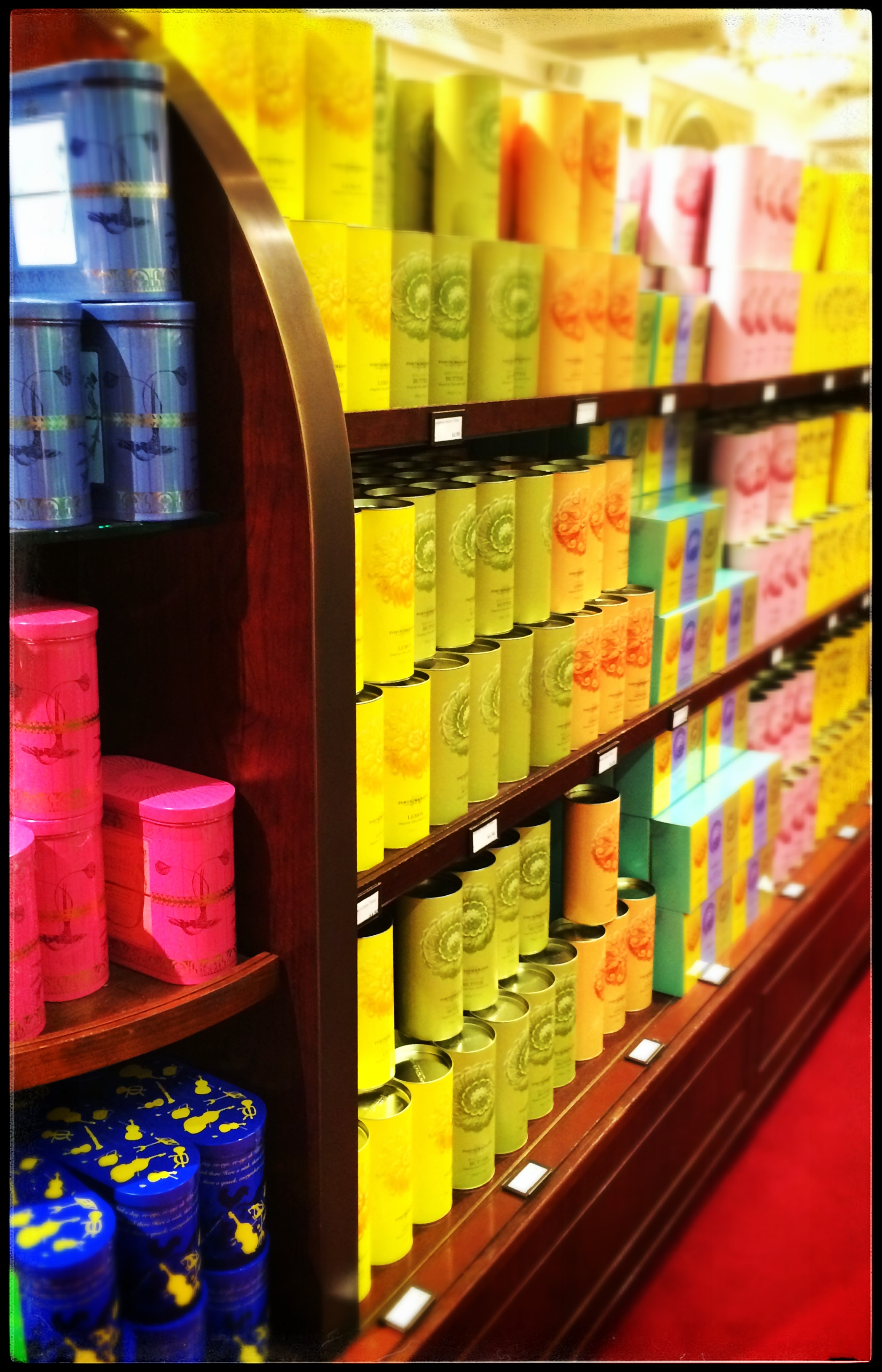
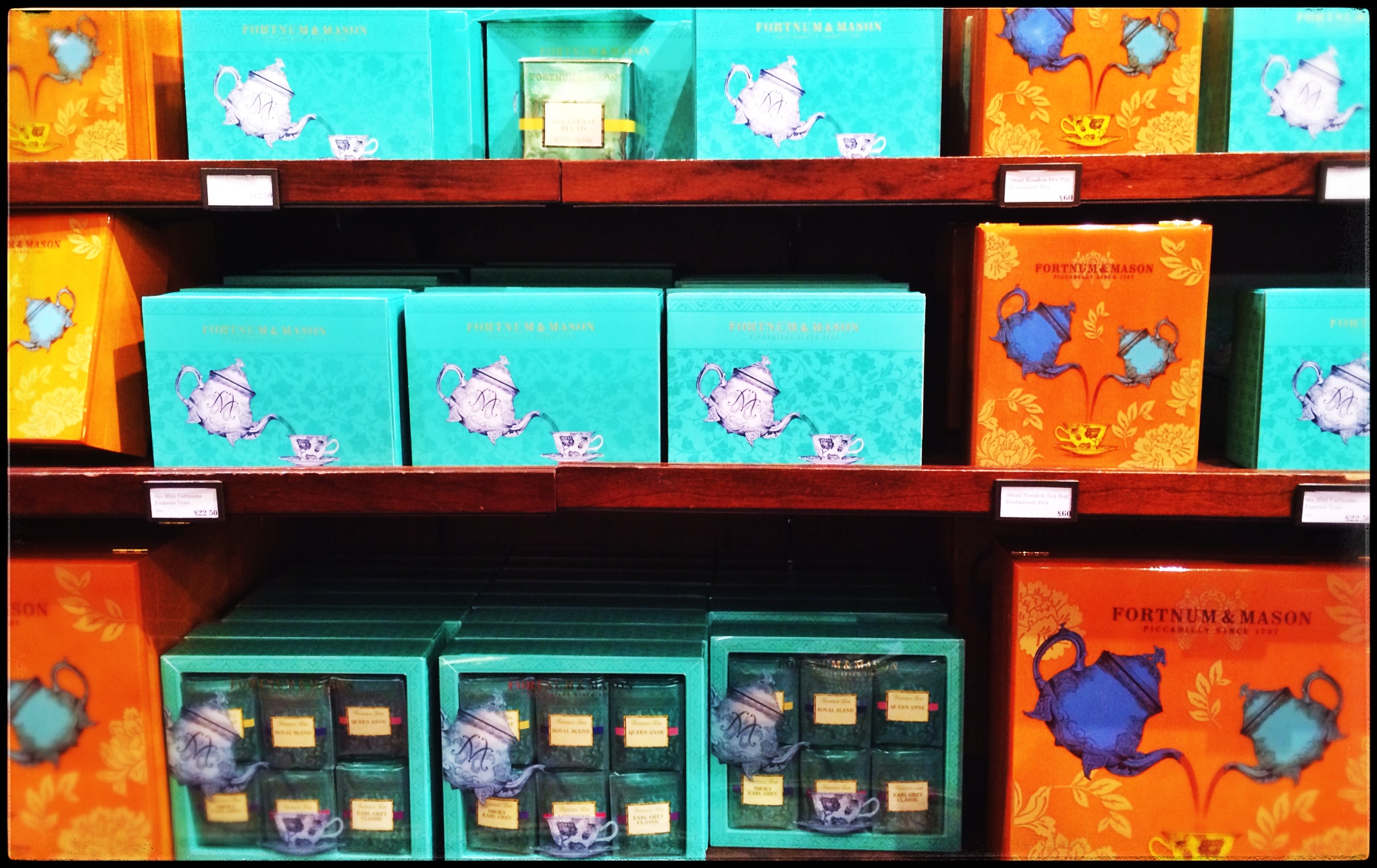
Of course we could not spend a week in London without visiting the Twining’s tea shop, Harrod’s tea department, Fortnum & Mason’s tea shelves, and without having afternoon tea at the Dorchester. That would have simply been silly.
(Fortnum & Mason, London, UK; October 2014)