This blue marble

– and yet it spins


Leave a comment

Swedish blue and yellow

Image

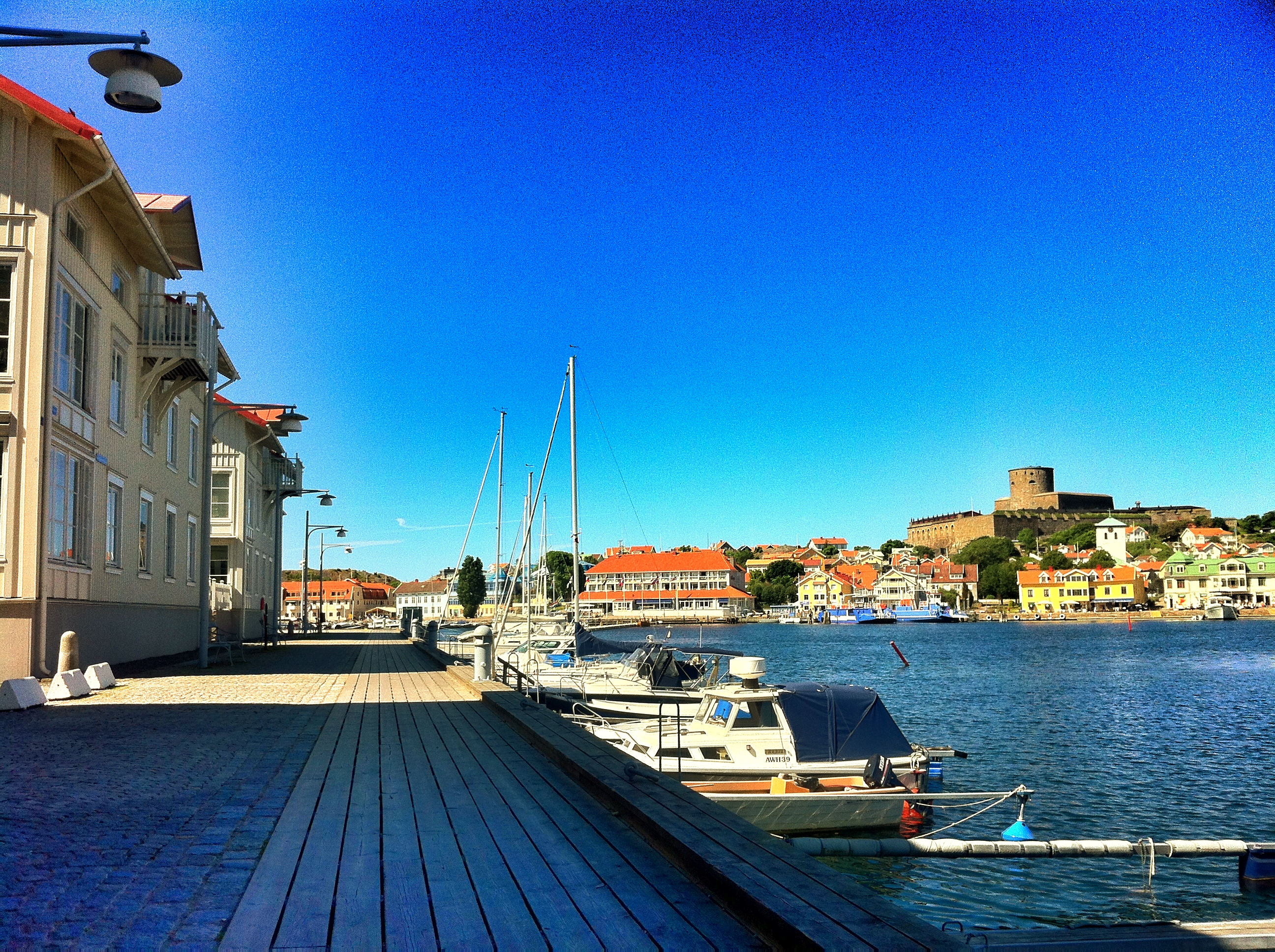
Once upon a bright blue morning in June, there was sea, sun, and summer. There were quaint pastel-hued wooden houses and less quaint seagulls. There was a treasure hunt, two days of intense learning, and some very big crabs with the best summer wine.

When the day drew towards its end and even the Nordic summer sun was about to catch a lazy eye, there was a wild chase for the last rays of light, ripping through the swells at a blinding speed. Once upon a bright yellow evening in June.

Image

(Marstrand and Pater Noster lighthouse island, Sweden; June 2013)


Leave a comment

Spring secret

summer2012

Would you like to know a secret? It is a tiny little secret, but one as precious as the first warmth of the sun in March. Each year carries one special day, the one that gives a lasting, unwavering sign that spring really has arrived. Not the first birdsong, nor the first crocuses peeking among dead leaves of grass. Not the surprise of sunshine at 6 pm.

The last and final sign of spring is the first day the sea, riddened of ice, has warmed enough to release a scent of salt, seaweed, and freedom onto the wing of the wind. That late night when I stepped out of the cab, tired after a long meeting in Stockholm – and was surrounded by the scent of the sea, forgetting everything else in the world? It was April 23rd.

(Uusikaupunki archipelago, Finland; May 2012)


Leave a comment

Duck egg blue manor in the sun

haikko

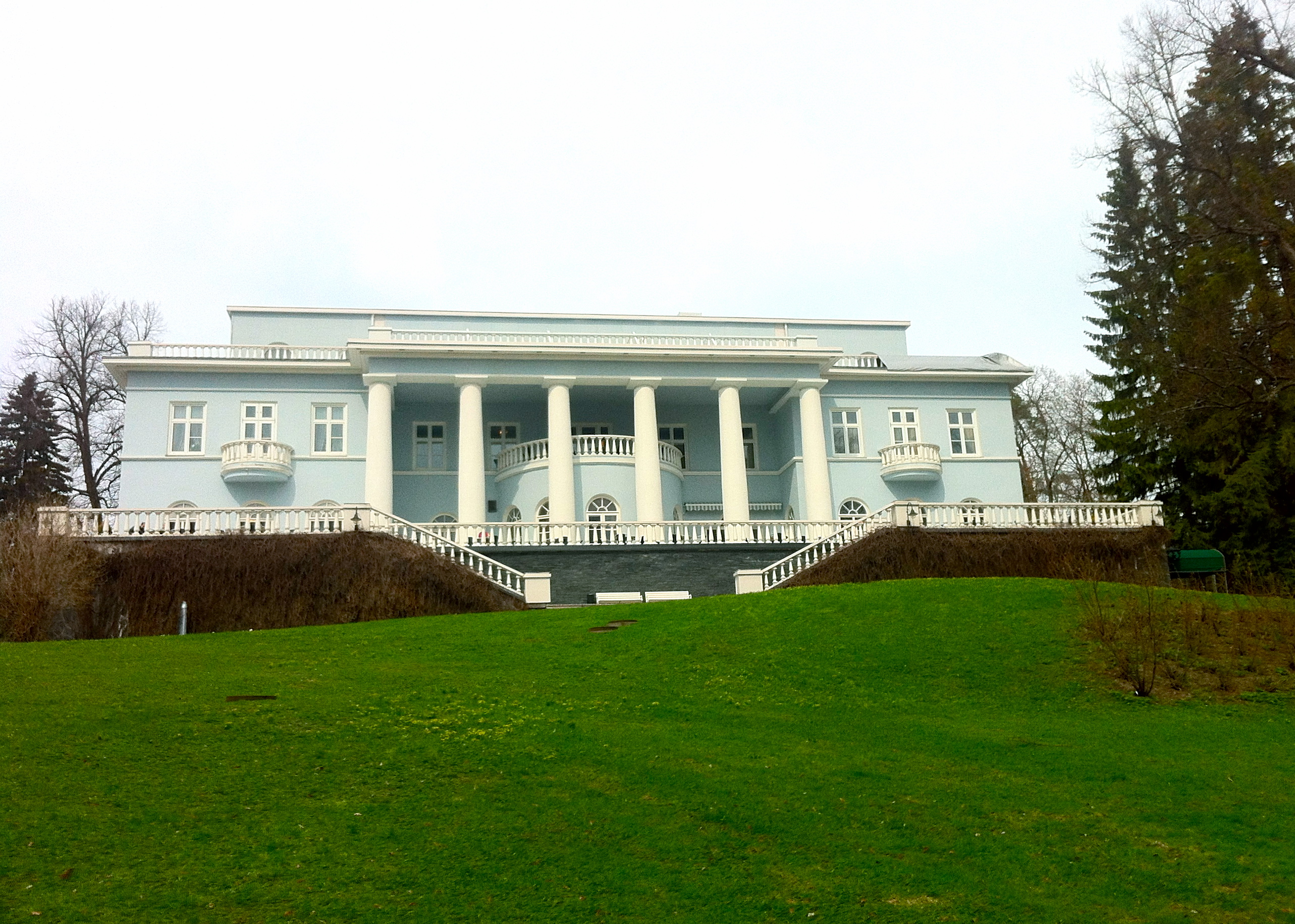
Sometimes it is nice to have things handed to one on a silver platter – literally. And everybody deserves to float around in a spa and being pampered silly, from time to time. What is then better than taking a Friday off at a beautiful duck egg blue manor? Can you see the sunwashed terrace, and the glass of sparkling wine?

(Haikko manor, Porvoo, Finland; May 2013)


Leave a comment

The tip of the iceberg

osloopera-1Hand over heart – did you really utterly love opera the first time you saw one? Did you melt into one hundred little streams of joy, or did you zone out before the end of the first act, when you realized you didn’t understand Italian or German or Hungarian and forgot to buy the libretto? And when it was all over, did you spend an infinity in your seat while the rest of the theater demanded four bows and fifteen minutes of ovation before you were finally allowed to leave?

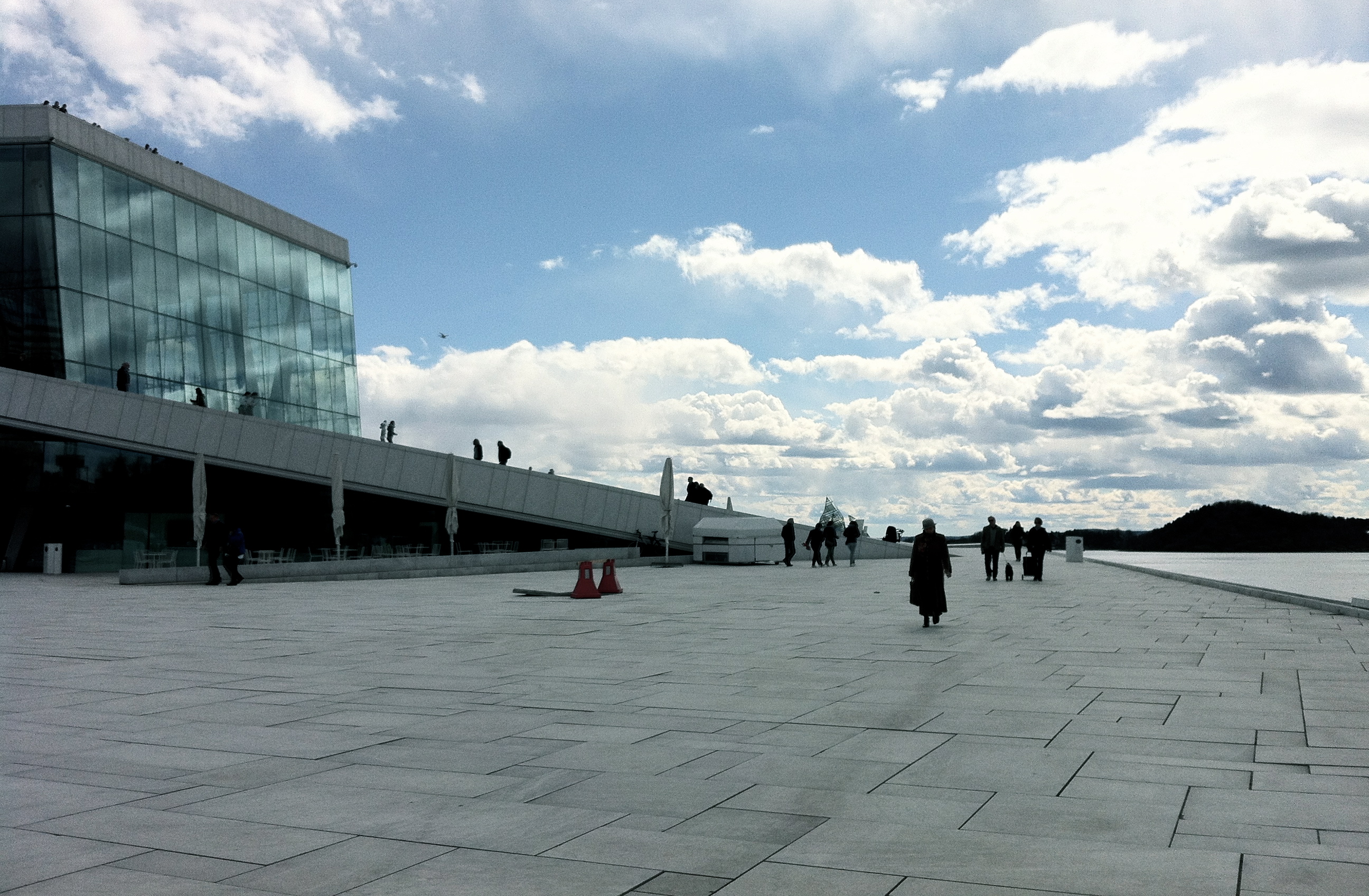
Halfway into my third opera, gritting teeth, I remember realizing that the story is the tip of the iceberg. I let go, allowing the music to wash over me, and focused on the details: the intricate weave of notes, the gorgeous and creative stage set-up, the impossible notes sung by the coloratura soprano, and the way the conductor channeled another world through his body. An opera is not to be understood, it is to be felt. And sometimes, just sometimes, an opera house that allows you to walk all over it lowers the treshold – literally.

osloopera-2

(Opera house, Oslo, Norway; April 2013)


Leave a comment

Forward

20130502-175553.jpg
Yes, the Vikings were famous seafarers, and yes, Norse vikings were the first ones to discover North America. But what about the biologist and anthropologist Heyerdahl, and the polar explorers and scientists Nansen and Amundsen? Did we forget that Norway did not lose her seafaring skills with the Vikings, and has a place to claim next to the great explorer countries that discovered the world as we know it?

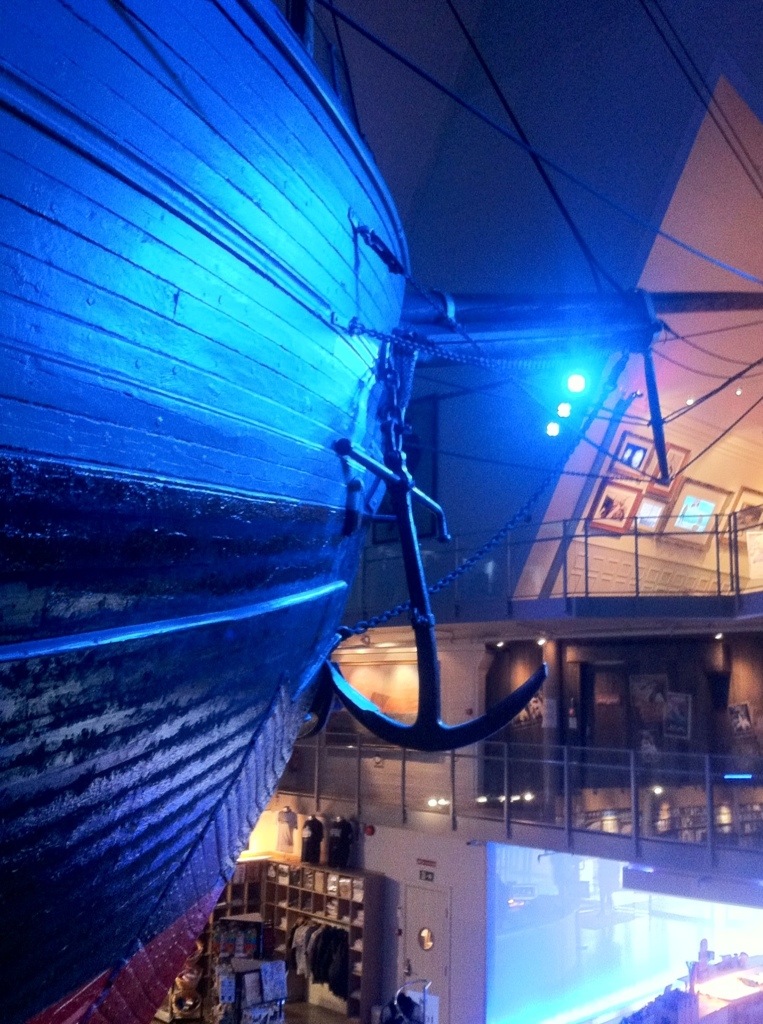
Such an interesting facet in a tradition-embracing country. The polar explorer ship Fram does not have a Viking bow, but meter-thick walls to tackle any ice – and a name that only leaves one choice: Forward.

(Fram museum, Oslo, Norway; April 2013)


Leave a comment

A boat spun from legends

20130430-100605.jpg
One courageous, crazy man, his crew, a balsa raft named Kon-Tiki, and 8,000 km across the Pacific Ocean. You’d think that was enough but Thor Heyerdahl had to prove something else, too. So he built another raft, this time out of reed, and sailed across the Atlantic – almost. The Ra I sank right off Barbados. Many would have smoothened it out saying they made it, but not Heyerdahl. He went back, built the Ra II, and this time reached the Caribbean shore.

I stared a long while at the countless ropes and knots that leave the logs and reed ample room to flex but not enough to make the raft disintegrate. It is mindboggling that the Kon-Tiki and the Ra were not built by skill inherited through generations, but by legends, Conquistador drawings of Inca rafts, and Egyptian hieroglyphs. And yet they sailed, further than anyone could imagine.

For Heyerdahl there were no limits, just tools and hard work required to reach the goal, no matter how impossibly far it lies. So why do we waste our time in making limits come to life, when we could use it to reach our goals?

(The Kon-Tiki Museum, Oslo; April 2013)