This blue marble

– and yet it spins


Leave a comment

Newnham girls, you walk in beauty

newnham-5The beauty of Newnham college in Cambridge is hidden behind brick walls – girls need to be protected from the outside world. But let me show you the way in, through the gates…

newnham-6…and you are welcomed by roses, peonies, squirrels, and majestic red-brick buildings. And sometimes the faint melody of a flute or violin drifting through an open window.

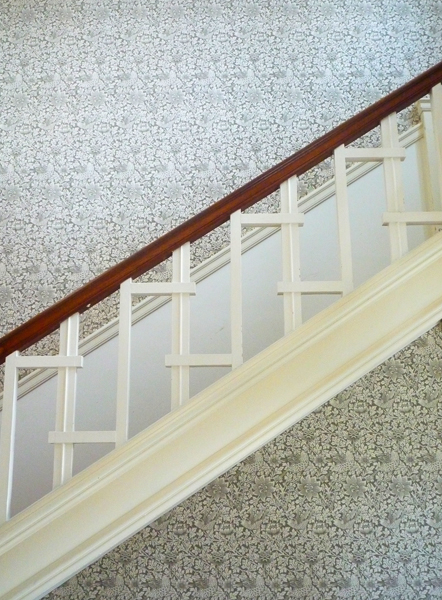
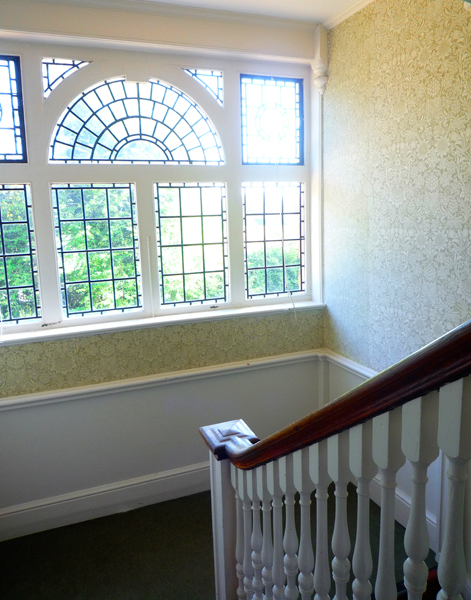
There is true beauty on the inside, too. Winding stairs…newnham-1…and Victorian wallpaper by William Morrisnewnham-2…and less winding stairs…

newnham-3…and sunlight…

newnham-4…and the ghost of a 19th century curly-haired girl in a pastel-colored muslin dress, reading a love letter by the window…

(Newnham College, University of Cambridge, UK; June 2011)


Leave a comment

Oh, who can ever be tired of Bath!

bath-2When I lived in the UK I wandered around the lovely streets of Bath for a weekend. Just like Catherine from Jane Austen’s Northanger Abbey I wonder, who can ever be tired of Bath?

“A fine Sunday in Bath empties every house of its inhabitants, and all the world appears on such an occasion to walk”bath-16“they hastened away to the Crescent, to breathe the fresh air of better company”

This lovely piece of green pasture is marked on an old map as “never to be built upon”. The Bath city layout is sprinkled with circles, squares, and crescents, and even contains one circus.

bath-12They set off in good time for the Pump-room, where the ordinary course of events took place; Mr Allen, after drinking his glass of water, joined some gentlemen to talk over the politics of the day and compare the accounts of their news-papers; and the ladies walked about together, noticing every new face, and almost every new bonnet in the room”

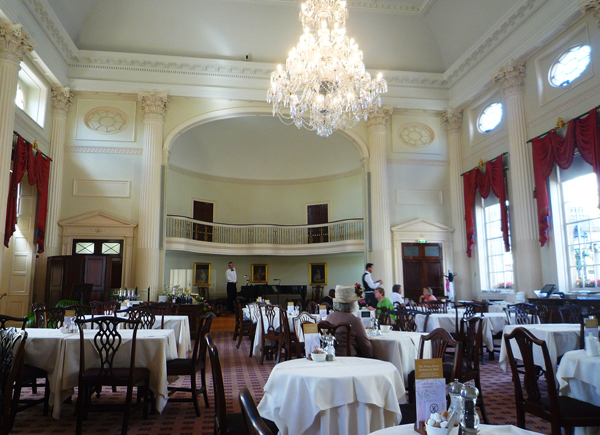
The Pump Room is open for a delicious breakfast, lunch, or afternoon tea. Wander in at breakfast time, after 9.30 am, and the sunny room, with light tunes of violin and piano floating in the air, will be all yours. Try the spa water – it’s not half as ill-tasting as in many other places. These are the “lower rooms” of Jane Austen, where ladies and gentlemen “took the waters”, along with “Oliver bisquits” (delicious but heavy on calories), during the day, and enjoyed conversation and dance during the night.
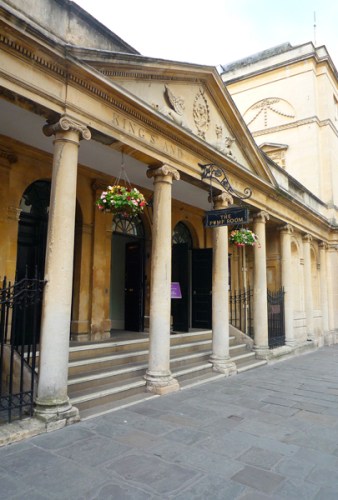
bath-14bath-1“Edward has been pretty well this last week, and as the waters have never disagreed with him in any respect, we are inclined to hope he will derive advantage from them in the end”

The thermal waters of Bath bubble up from three springs in the Roman Baths, over a million liters per day. The baths are beautifully restored and the excellent audio tour easily keeps your wandering around for 3 hours.

bath-15

bath-5Hoping to dip your toes into the famous thermal water? Finally Bath has a spa again. The Cross Bath, and the all-new Bath Thermae Spa, are located behind the Roman baths. Half a day just flows by in the hot thermal waters, aromatherapy steam rooms, spa treatments, lovely restaurant, and rooftop pool.

““I could not tell whether you would be for some meat, or only a dish of tea, after your journey, or else I would have got something ready… Perhaps you would like some tea, as soon as it can be got.” They both declared they should prefer it to anything”

Afternoon tea in Bath is not to be had without the Bath Bun, or the Sally Lunn Bun. Fluffy and round, split in half, dripping with hot butter and brown sugar syrup with a hearty dash of cinnamon… the secret recipe and the tea room have served thirsty and hungry visitors for over 300 years, which I think Sally Lunn would have been very proud to know.bath-2All quotes by Jane Austen (Northanger Abbey, Persuasion, personal letters)(Bath, United Kingdom; June 2011)

Leave a comment

What do you imagine when you think of Sherlock Holmes’s London?

holmesOn a day off I made a quick nip into the world of Doyle and the London of Sherlock Holmes. In the sunshine, under a clear blue sky, it was odd to imagine the smog-filled city of 120 years ago, where so much splendor of the upper classes mixed with so much filth and poverty of the lower classes.

In the times of Sherlock Holmes lived also Charles Booth. Instead of investigating mysteries, he investigated social classes. With his team he color-mapped all of central London, house by house, by the social class of the inhabitants.

povertymap-3My usual haunts of Marylebone/Mayfair/Bayswater were among the wealthiest areas of town (see below – the street with a horizontal line is Oxford Street). How interesting to note that the blocks had wealthier people inhabiting the street sides, and poorer people living in the courtyards.

povertymap-2Whereas Union Street, nowadays Riding House Street, was labeled poor and criminal. povertymap-1 How easy it is then, to forget that the world of Sherlock Holmes and Oscar Wilde’s heroes encompass a vanishing 10% of the worlds within London. Most of the remaining 90% never saw more than a glimpse of the splendor of living, entertaining, and society of the people we think of when we think of turn-of-the-century London. Many of those 90% were happy to have a pair of shoes on their feet, and food for the following day.

(Museum of London, London, United Kingdom; March 2015)


Leave a comment

Texture

textureThere were silver birches lining the way in. There were slate stone plates for bread and black lava salt to go with the grassy delicious olive oil. There was a wonderful taste journey from Norway to Iceland to France to the UK. And to finish there was the softest creamiest skyr I have tasted, both chilled and frozen. And when we thought the journey was over there were warm, soft pistacchio madeleines, cinnamon truffles, and Fisherman’s Friend macaroons, all tucked into a little moss-covered bowl.

And just as we were about to leave, someone pushed little pouches with more cinnamon truffles into our hands. Oh yes, I think the Icelandic chef of Texture has many new friends in my taste buds.

(Texture, London, United Kingdom; March 2015)


Leave a comment

Falling

autumn

The leaves are falling, falling as if from far up,
as if orchards were dying high in space.
Each leaf falls as if it were motioning “no.”
And tonight the heavy earth is falling
away from all other stars in the loneliness.
We’re all falling. This hand here is falling.
And look at the other one. It’s in them all.
And yet there is Someone, whose hands
infinitely calm, holding up all this falling.

(Rainer Maria Rilke)

(Cambridge, UK; October 2014)


Leave a comment

About cities as friends

september-1Each city resonates with us in different ways. We all feel at home in one place and like a foreigner in another. We develop relationships with each city: one is a friend to have coffee with but not more than once a year. Another is a long-lost friend who instantly embraces and the past ten out-of-touch years are wiped away. A third is a contact who supports our everyday lives ambivalently like a shop clerk or a distant colleague.

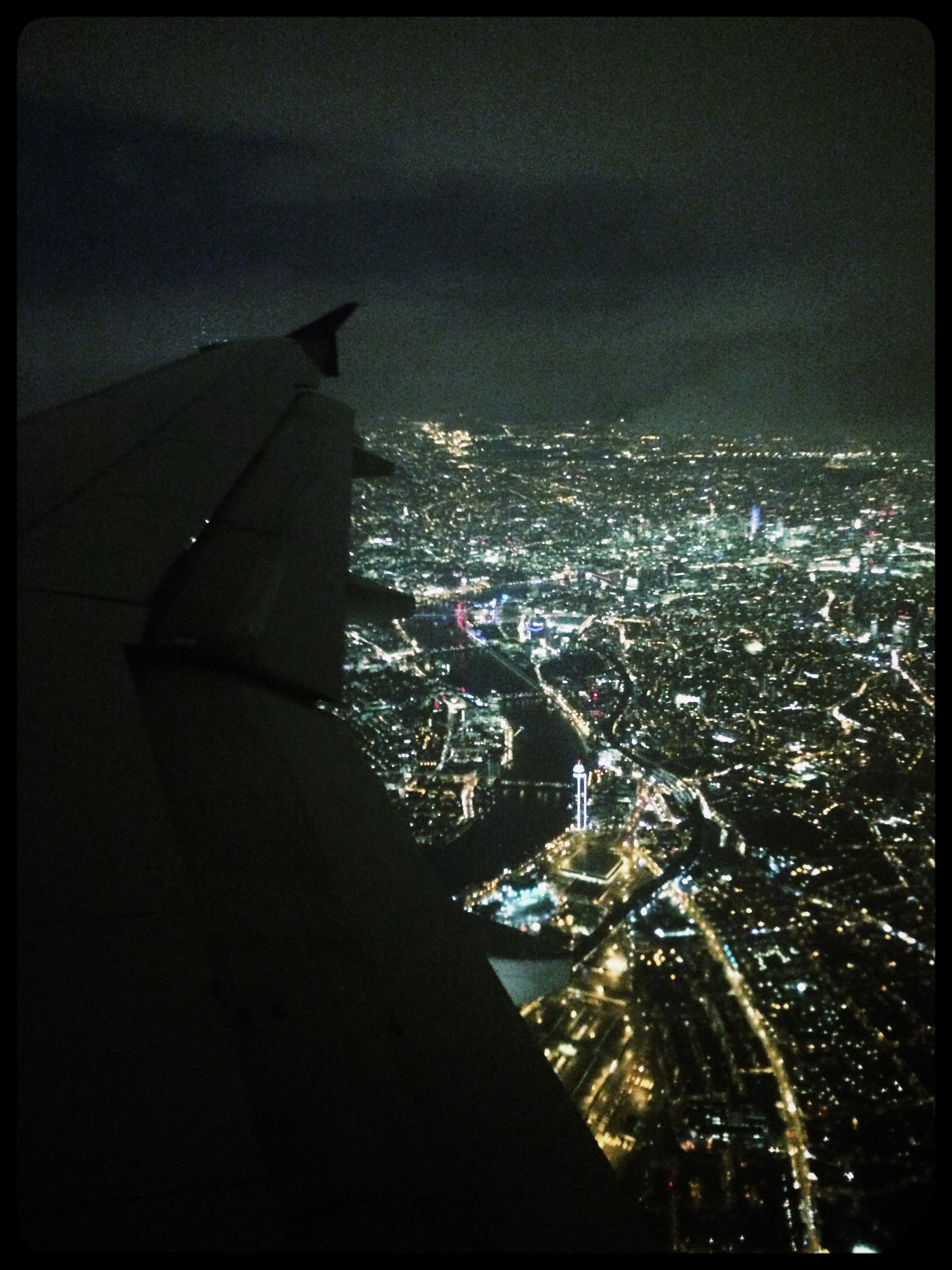
And then there are the great lovestories and the great complications. Cities that love us but struggle to let us leave, amidst a thunder storm and airport strike. Cities that charm us initially but then turn to annoy us by closing the post office when we need it and ensuring everybody elbows us when we are carrying groceries.

Cambridge is for me a place of crossroads. It is a charming English cobblestoned bubble I struggled to leave, but it is also a place where I felt distress, turbulence, and where my life took a totally different turn. My Cambridge has equal measures of sunlight and darkness.

And so, as I stood in the full moonlight waiting to be let in to the chapel at King’s for evensong, I thought of a Cantabrigian friend who once said that life is bittersweet and that it is okay as long as it is more sweet than it is bitter. Surrounded by the college walls, the night air filled with wisdom of ages past and to come, I decided Cambridge weighs heavier on the sweet. And I let myself be enveloped by the city and its air that carries inspiration and intellect and science and art and life – the kind of life that is geared towards a better future.

Cambridge-1(Trinity College and King’s College chapel, Cambridge, UK; October 2014)


Leave a comment

Hello lovely Cambridge

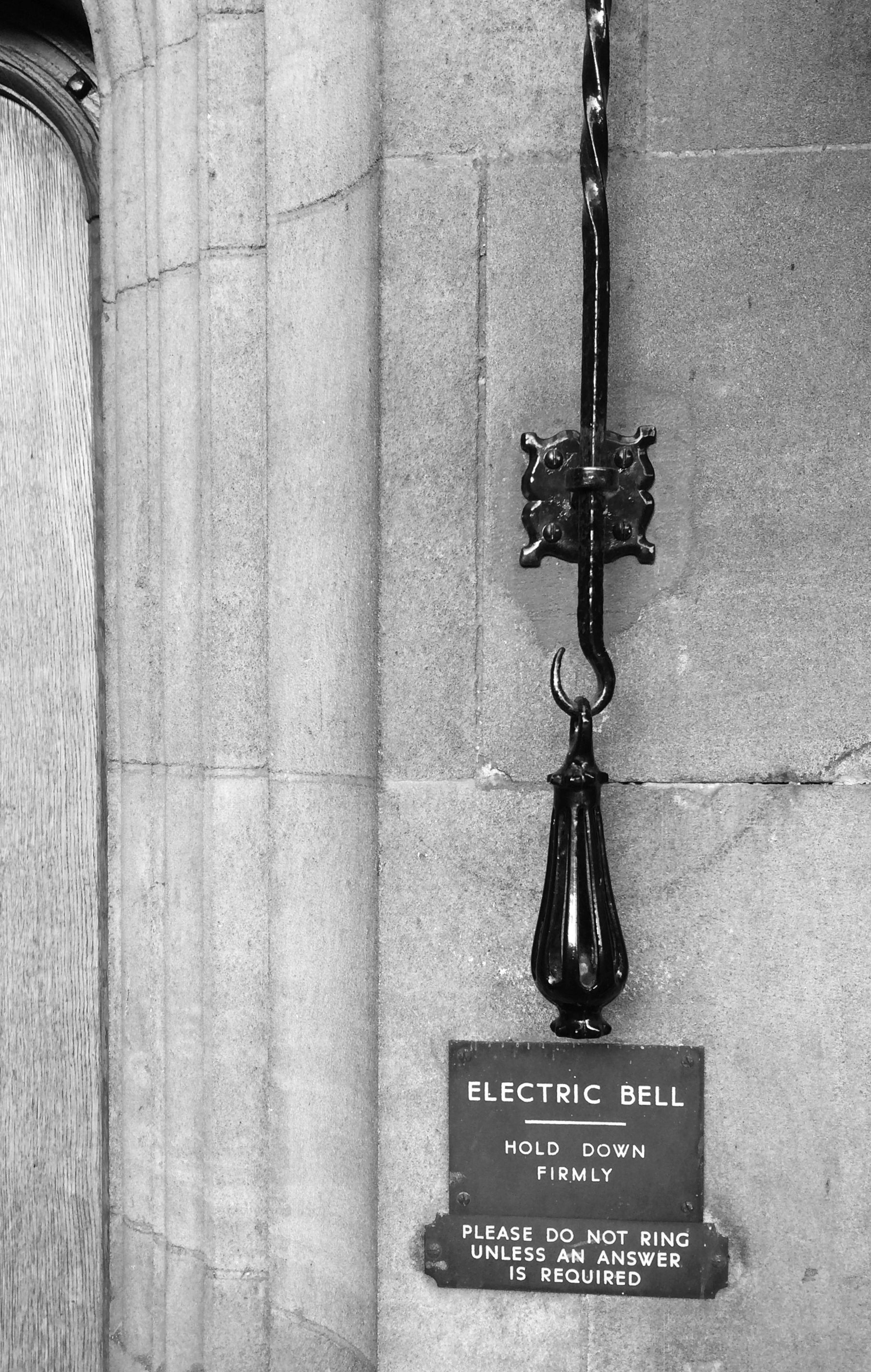
Cambridge-2Back in darling Cambridge, where angels play with human skulls and doorbells look like toilet flushers. And where the best tea and scones is only accessible by wellie-clad foot over the meadows and cow turds along the river (at the Orchard, of course).

By the way, did you know one can fit two bottles of wine in each hanging, closed sleeve of the Master of Arts gown? A Newnham girl would know.

Cambridge-3 (Christ’s College, Cambridge, UK; October 2014)


Leave a comment

A blood-red world

Tatemodern-2Up on the third floor of Tate Modern there is a room with six blood red paintings on its walls. It is guarded by human eye by day and by mechanical eye by night. In the center stands a long bench. Those who take the time to sit down will eventually feel things. The feeling that filled me was the world pressing upon me, and it was not a pretty world. It was an oxblood world.

Mark Rothko painted the nine Seagram murals for a fancy restaurant but they made people feel shut in and trapped, which is not good for business. Who knows if this was the train of his thought or not when he took back the paintings and returned the money. Today six of the paintings hang in Tate Modern in London in a room of their own.

After a while I closed my eyes and to my surprise the same images lingered, as an imprint of fleshy negatives stuck on my retina. I gave up, opened my eyes, and gazed at the paintings again. They had transformed into a window toward a blood-red world where everything was wrong.

Oh, such a relief it was when we finally found our way back to a place where light is white and warm and not red and cold, and where the water of the Thames on this rare day reflected the blue sky. And where one could simply sit down, order a wonderful risotto with a fabulous verdeho wine, and breathe. The world isn’t doomed quite yet.

Tatemodern-1 (London, United Kingdom; October 2014)


Leave a comment

The riddle before the ladies’ room

botanistThe dinner debate of the evening: is the ladies’ room the one with the butterfly on the door, or the snake? Butterflies are beautiful and ladies love them, but the prettiest ones are always male. And Eve of the Bible teamed up with the snake, didn’t she?

It is advisable to retain a certain grade of sharpness when first visiting the necessary room at The Botanist on Sloane Square. Or perhaps gender is encouraged to remain only a rethorical question?

(London, UK; October 2014)