
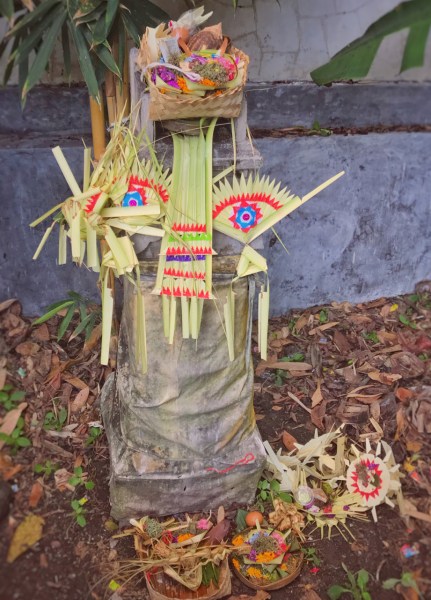
 Tens of thousands of baby chickens died last night. Each Balinese house sacrificed one along with a bigger evening offering placed outside of the gate, by the road. Some houses had deemed pierced eggs to be enough, but most houses slaughtered a baby chicken. A holy man dressed in a white gown and turban squatted by the offerings at each house, making hand gestures and plucking fluff from the scared, cheeping chick and spreading it over the offering. Then he splashed holy water around. I did not see how the chickens met their fates but as I walked to yoga class this morning I had to dodge a tiny, dead, decapitated chicken by nearly every house.
I understood the ceremony was to pacify the gods after the earthquake. Unfortunately the lives of the poor innocent chicks were not sufficient, as we experienced another substantial quake today: M6.2 or 5.9 depending on who measured it, and Lombok was again the epicenter. The gods are obviously not content. My heart hurts for the scared baby chickens – as it also hurts for the 300+ people who were lost in the quake and the tens of thousands left homeless.
Balinese Hinduism is strongly influenced by animism and animal sacrifices are common. It is even in the name of this island: the word “bali” actually means animal sacrifice. Indonesia is a Muslim country and Muslim law does not allow animal sacrifices (or gambling for that matter) but here on Bali it is allowed as a way to keep people satisfied. All sacrifices are linked to highly ritualistic practices, including one cockfight per year per temple (this is oftentimes not the case as cockfights and betting are a blooming practice for example in Ubud). Most of the times, smaller animals such as dogs and chickens are sacrificed, but sometimes the gravity of the situation calls for goats and even buffalo. The Balinese believe that animals sacrificed in the name of gods will be rewarded and reborn into a higher order of being as their way of departure from this life was sacred.
Once one has got to know the peaceful nature of the Balinese today, it is difficult to imagine that their ancestors were fierce tribal warriors, a little like the maoris of New Zealand. Sometimes even human blood was shed. Not always an enemy’s, either, as a successful cremation ceremony for the dead of the village would include nothing less than the sacrifice of a few women. Thankfully cremation was (and is) arranged only once every few years, and collectively for all deceased ones.
When it comes to life and death, Bali strips one to the core of the matter.
(Bali, Indonesia; August 2018)
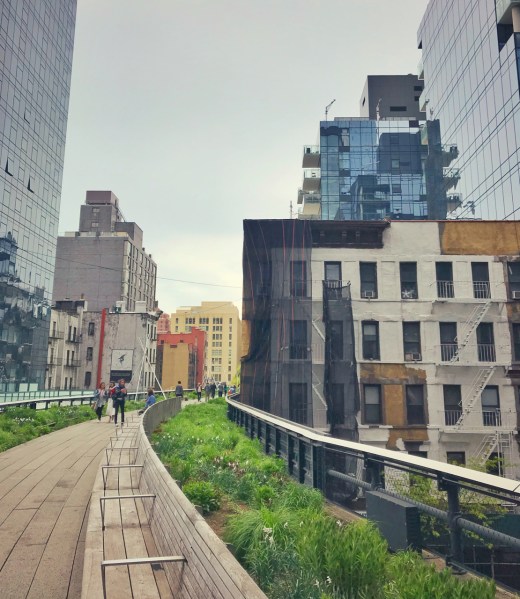 In New York City, there was a train track that once felt important. And rightly so, as it was needed. Proudly it stretched its shiny steel tracks from the West into town, carrying loads and loads of freight trains every day between the city and a growing industrial area. Being ready for any kind of transportation was its sole purpose. For sixty years it felt necessary, and cared for.
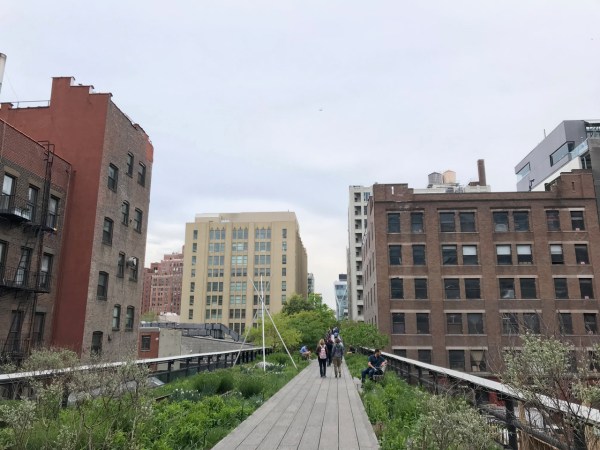 (New York City, USA; May 2018)
 I never saw the famous World Trade Center Twin Towers, except for in photos. They defined the lower Manhattan skyline – until the day they didn’t. I first visited Ground Zero in 2008. It was one big hole, part concrete and soil and part construction crews. Visitors were lead around on boardwalks and held back by ropes. There were only a few smartphones and certainly no selfies or selfie-sticks. The atmosphere was somber, even if the attack on the twin towers was seven years in the past.
 (9/11 Memorial Plaza, New York City, USA; May 2018)
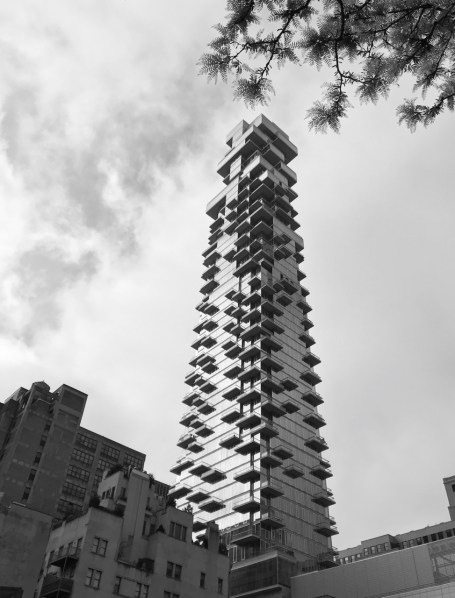 What are cities made of? What is the essence of a city? We humans are funnily egocentric: we like to anthropomorphize everything. We talk about the “beat” of a city or it’s “soul”. In a way we evoke a primeval streak of animism when we claim to sense the essence of a city as if it were inhabited by a spirit.
 (New York City, USA; May 2018)
 Dear guesthouse, thank you for proving yourself earthquake-worthy. Dear Canggu beach, thank you for no tsunami. Dear Bali, thank you for softening the shockwaves shooting off your sister island. We had a proper scare here on West Bali, but it was nothing compared to those in Ubud and on the East Coast. Not to mention the unfortunate ones on Lombok and Gili Islands, who bore the main burden of our planet rearranging its scales.
 (Canggu, Bali, Indonesia; August 2018)
 The
The 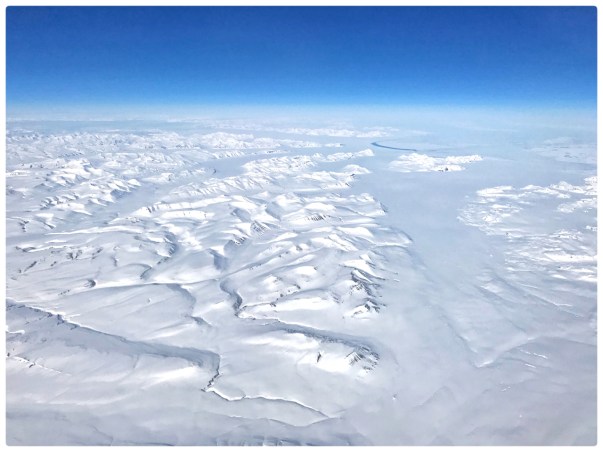 Most likely this scenario will not happen. But who knows if Florida or Singapore will still survive further than a couple of generations? And we humans and our cities is just one single species. The polar bears, the seals, the walruses, and the narwhals are the most obvious species in trouble. But because the ecosystem is a system, who knows what will happen if the currents change and the lowest levels of the food chain (think krill, plankton) disappear, too? No food for small fish means no food for big fish means no food for anything that lives on fish. And no krill for the whales, either.
 (Above Greenland; May 2018)
 Rewinding back to a moment under the Nordic spring sun. The wonderful Finnish poet Edith Södergran loved cats, too, and wrote:
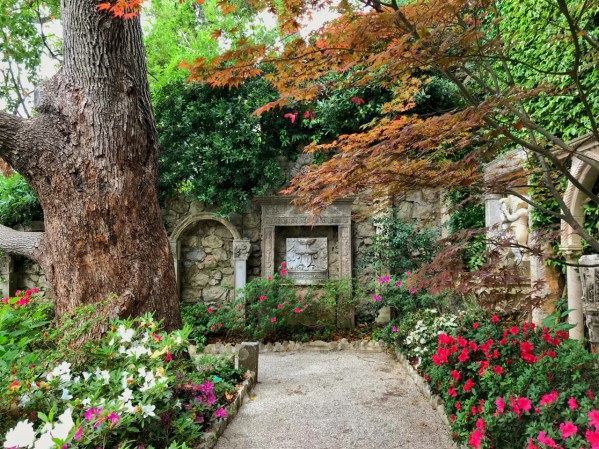
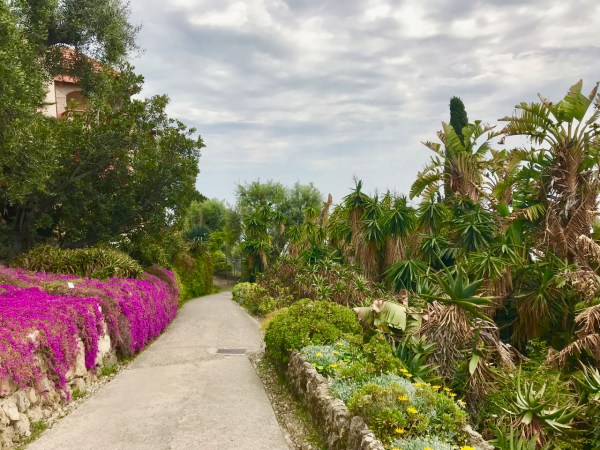 When one is 35 years old and wishes to establish oneself, one can either join the entertaining society or one can entertain oneself by building a fine garden from scratch. In this garden it is not enough for the visitor to love flowers to see them; here one must climb down a height difference of 100 meters to see the end of the garden by the ocean – and another 100 m up again to exit by the gate. When deciding to establish themselves, Sir Thomas Hanbury and his brother Daniel did not choose a garden site with step-free access.
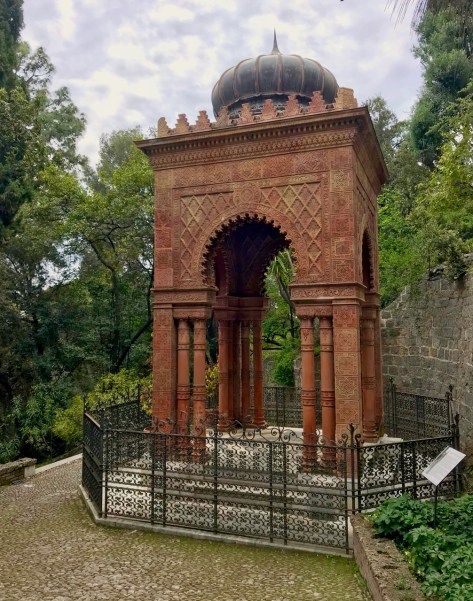 To compensate for the viewer’s labors, in the late 19th century the La Mortola garden was one of the most famous gardens in the world: nearly 6,000 different plants; many exotic and brought home from Asia by Sir Thomas himself.
 (La Mortola, Italy; April 2018)
 The owner of this place must have been ambitious. And quirky: she had gazelles, monkeys, and a mongoose in her garden.
 She was no angel either, because just as her husband, she liked gambling, too. Her gambling room in her pink (yes of course, pink) villa is quite something. And if she was not entertaining there, she was being entertained in a casino in Monaco.
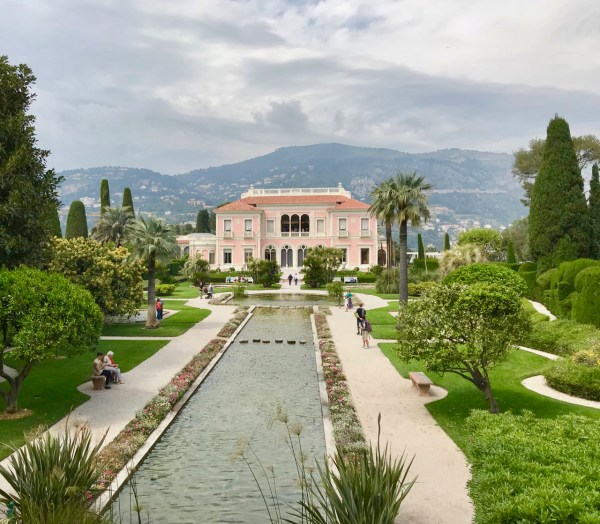 Béatrice Ephrussi de Rotschild lived the most extravagant life a divorced woman in the turn of the 19th century could. She commissioned an incredible villa and garden – not for herself but to see and to be seen. But was she happy? Perhaps she was in some ways. Women in those days found themselves unfit for any mold if they were divorced, unmarried, and wealthy. Perhaps she was shallow and happiest when entertaining. Or perhaps she felt lost in her role and happiest doing all the things she should not: play tennis, ride horseback on a man’s saddle, drive a car, and even fly a plane. Did she find meaning in her life? Perhaps. And at least one cannot blame her for not trying hard enough.
 (Cap Ferrat, France; April 2018)
 When I grow old I do not want to look at four walls. I do not want to become a person who is afraid to go out of the house. I do not want hospital food unless the hospital is my only option. When I grow old I do not want to endure long, dark winters. I do not care if I will remember things or not. Most likely I will not. That is fine, as that is how life goes sometimes.
 This blue marble